Featured

Walthamstow

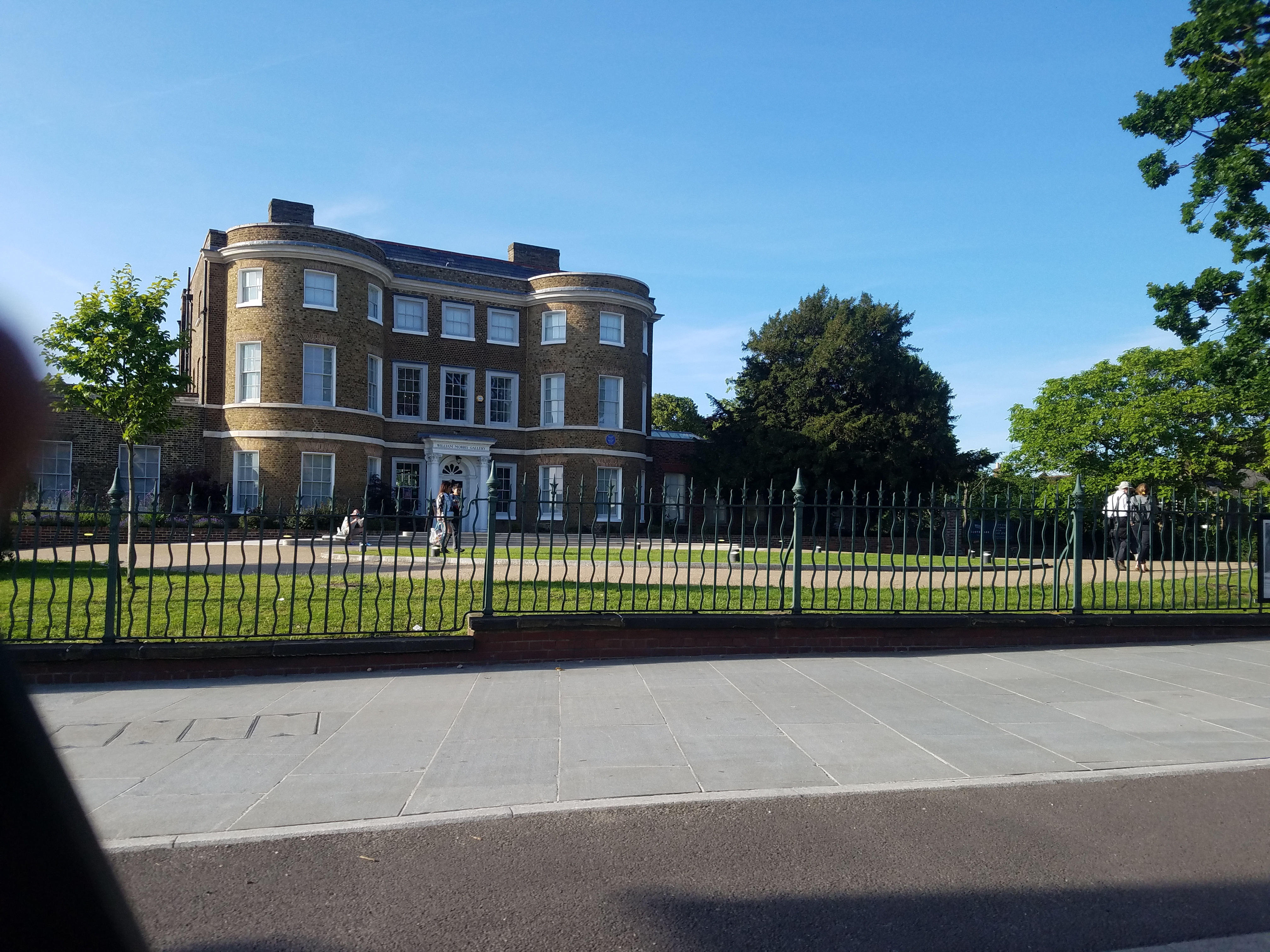
William Morris’s Museum and Mansion

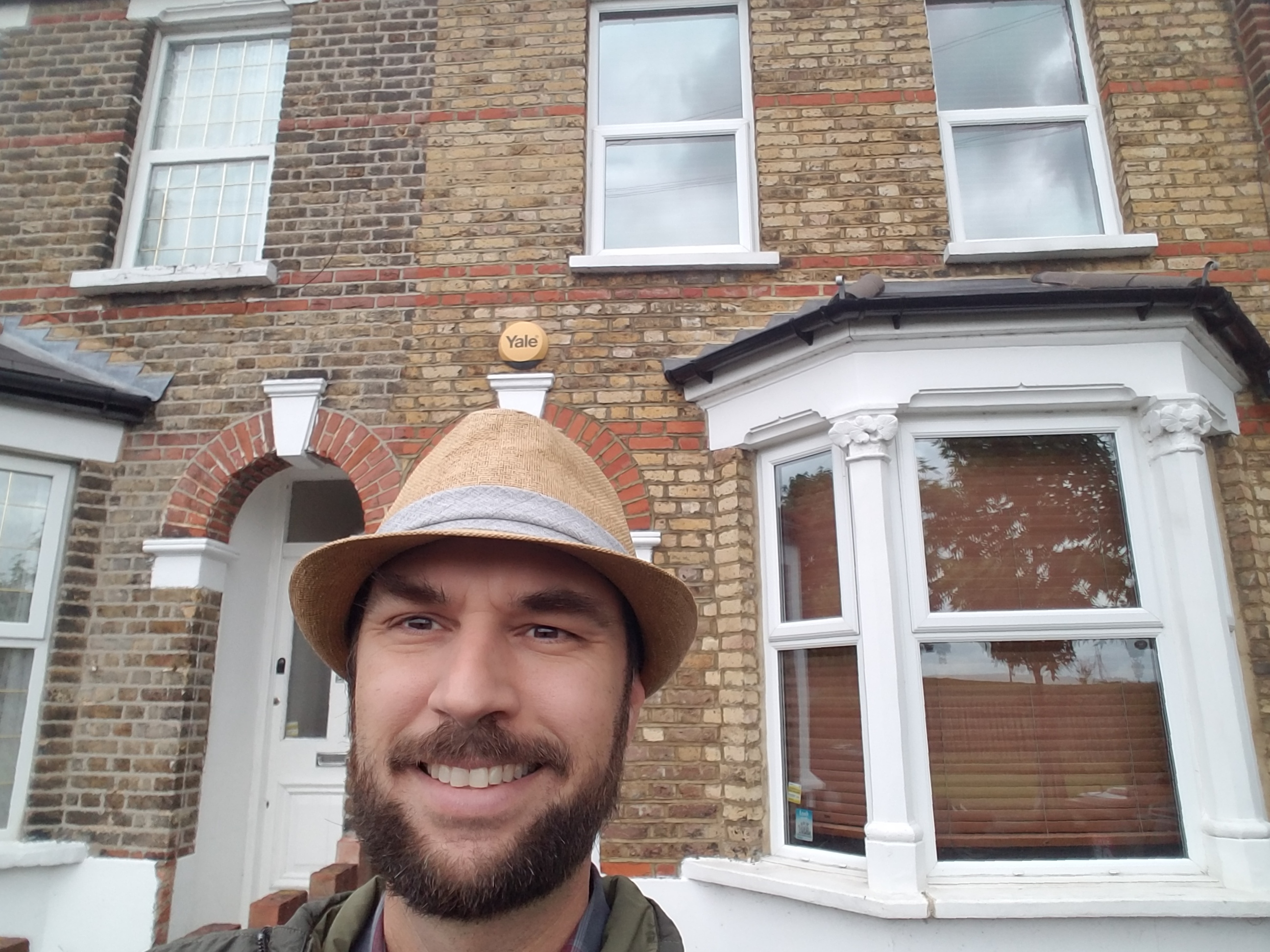
My first day in the U.K landed me in a place that I had known no information about: Walthamstow. I learned that the houses in the area that I was staying in were created by William Morris, one of the U.K’s most famous wallpaper artist for Victorian houses in order to house his workers. He was also a social activist, who contributed to the founding of eco-socialism and one of his mansions is now a museum in Walthamstow. The houses in this area were built simply and most of them look the same. You can tell who has updated their houses by looking at the materials used on the exterior of the houses according to a denizen of the area that I was staying with.
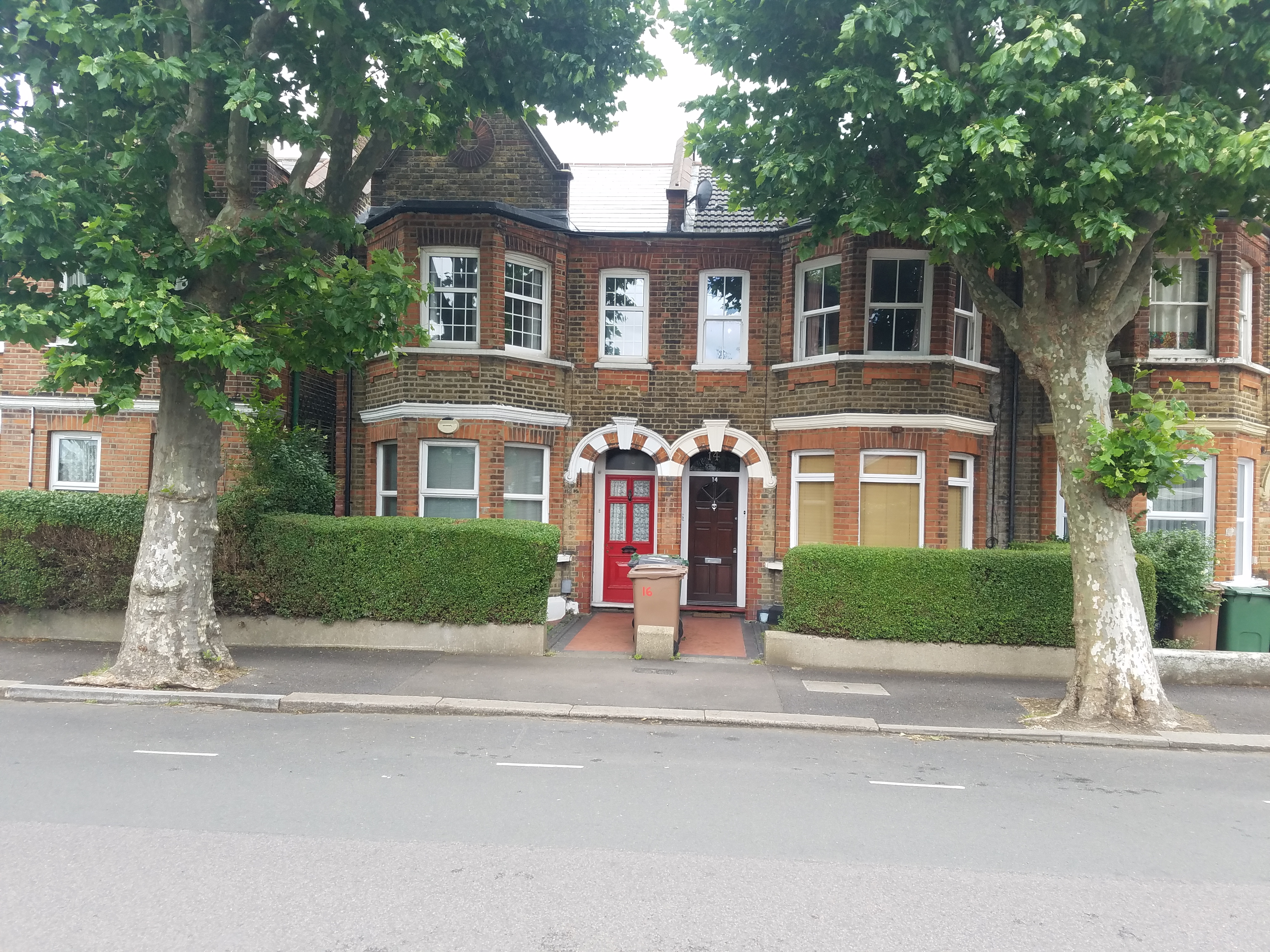
House in Walthamstow
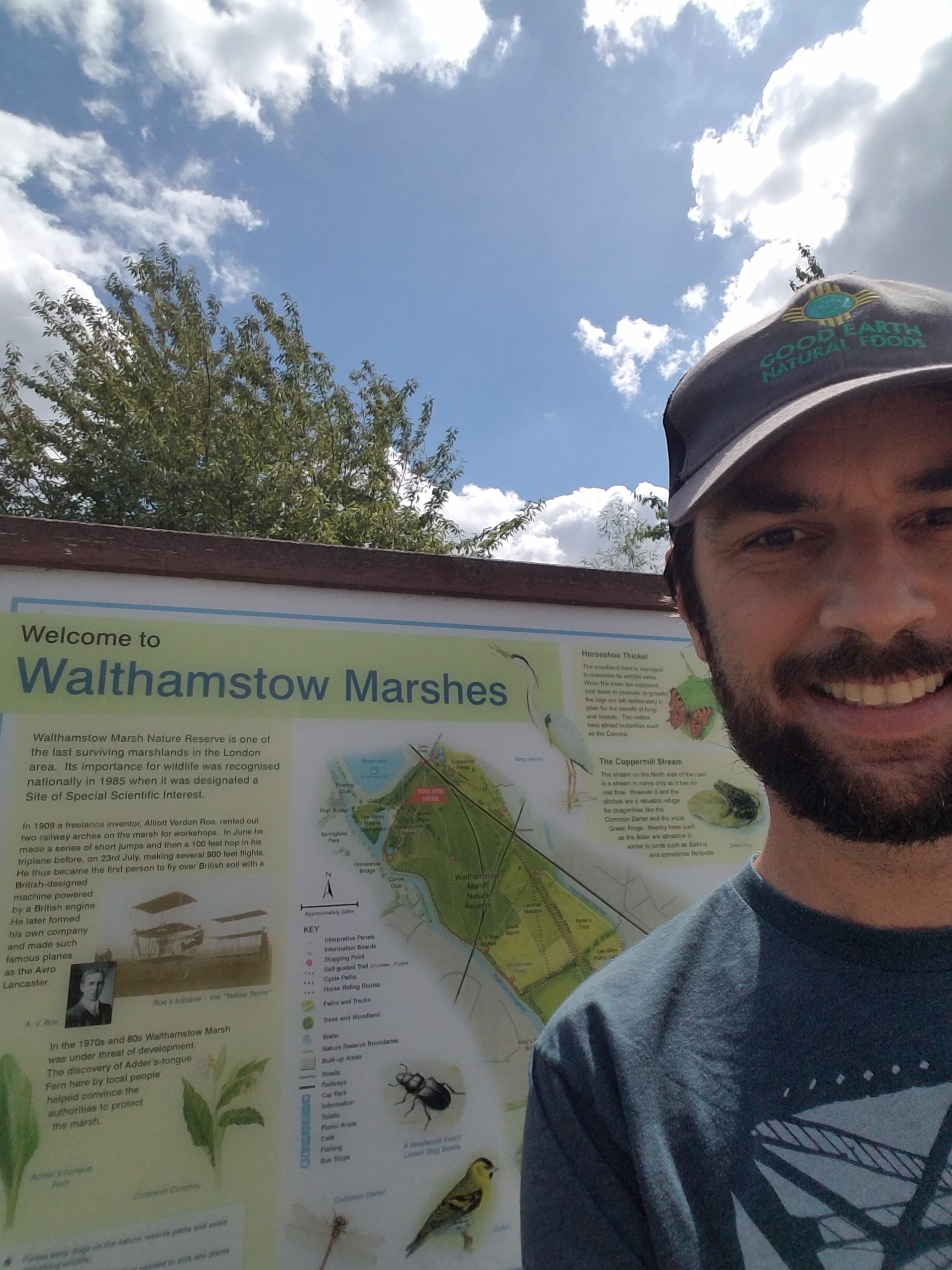
Walthamstow Marsh, recently opened to the public

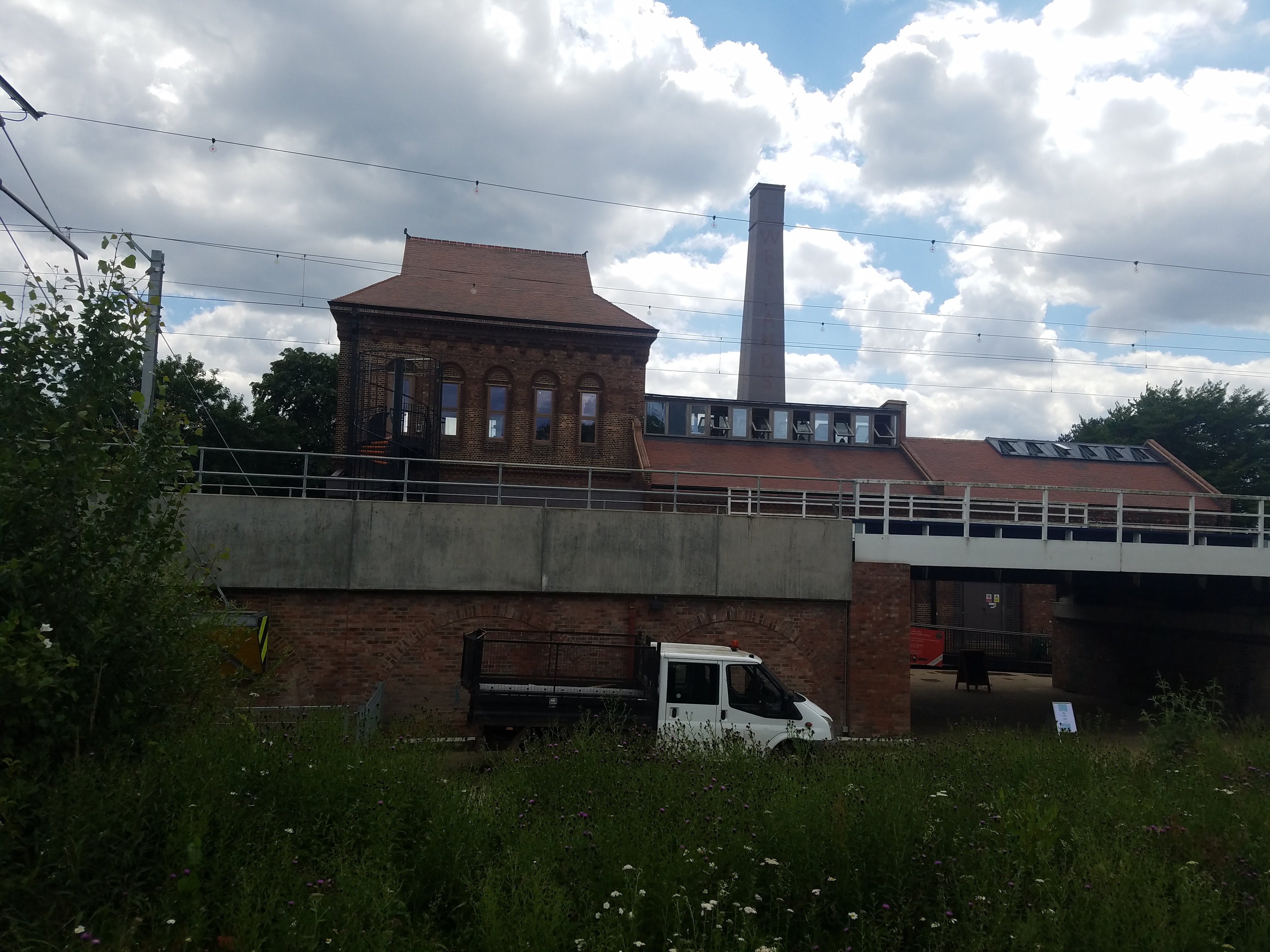
Walthamstow Marsh was recently opened to the public; it was previously maintained by the water district which houses a group of reservoirs that serve the area of northeast London. We took a three hour walk in these marshes and I learned a great deal about the areas copper mill, wildlife, and ecosystem.
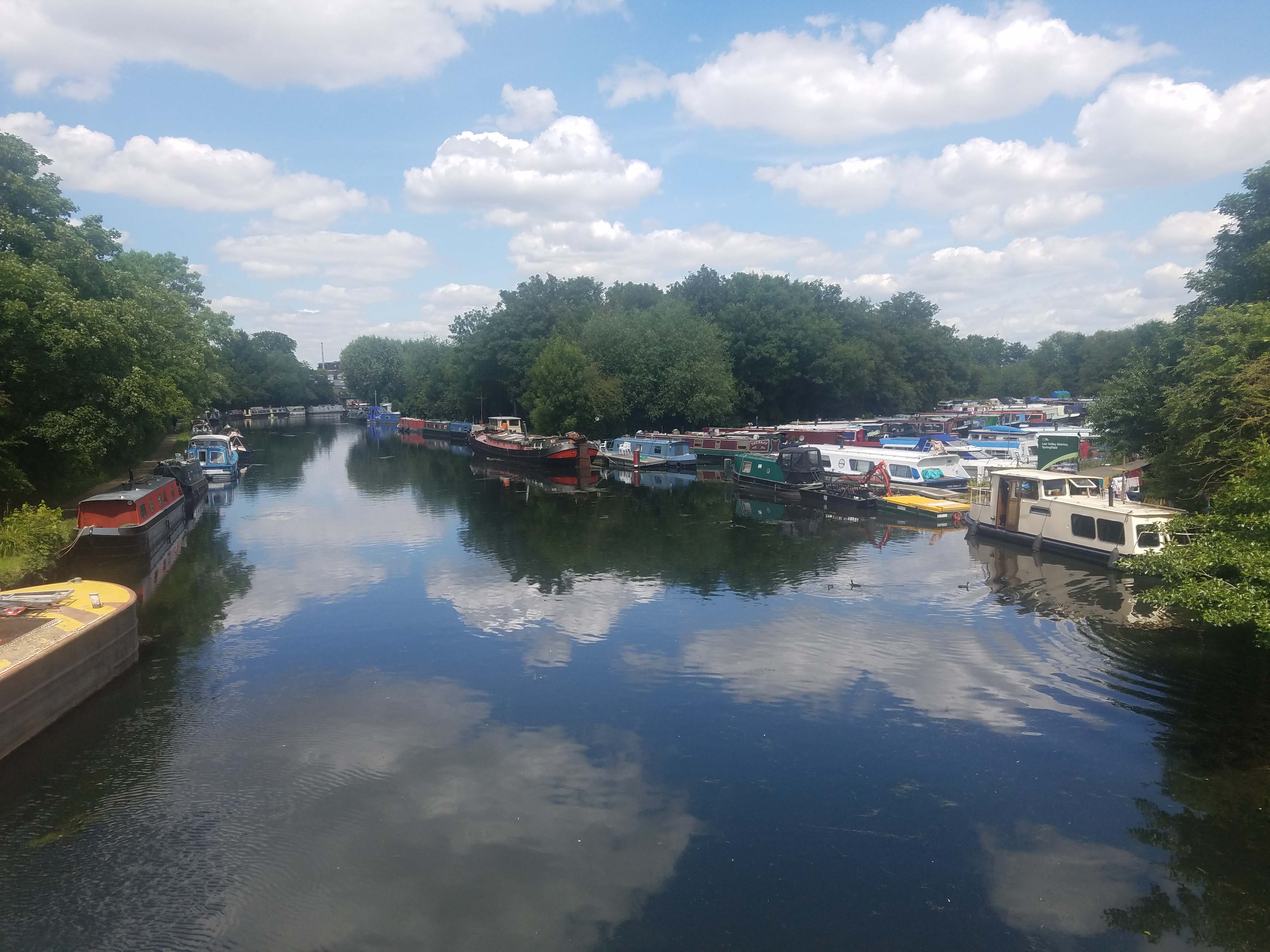
Along the walk in the marshes ran several canals that house many canal boats that locals live in. There are many shops open along the canal to serve this community. Many people who cannot afford to buy a house live in Canal Boats as they are affordable.
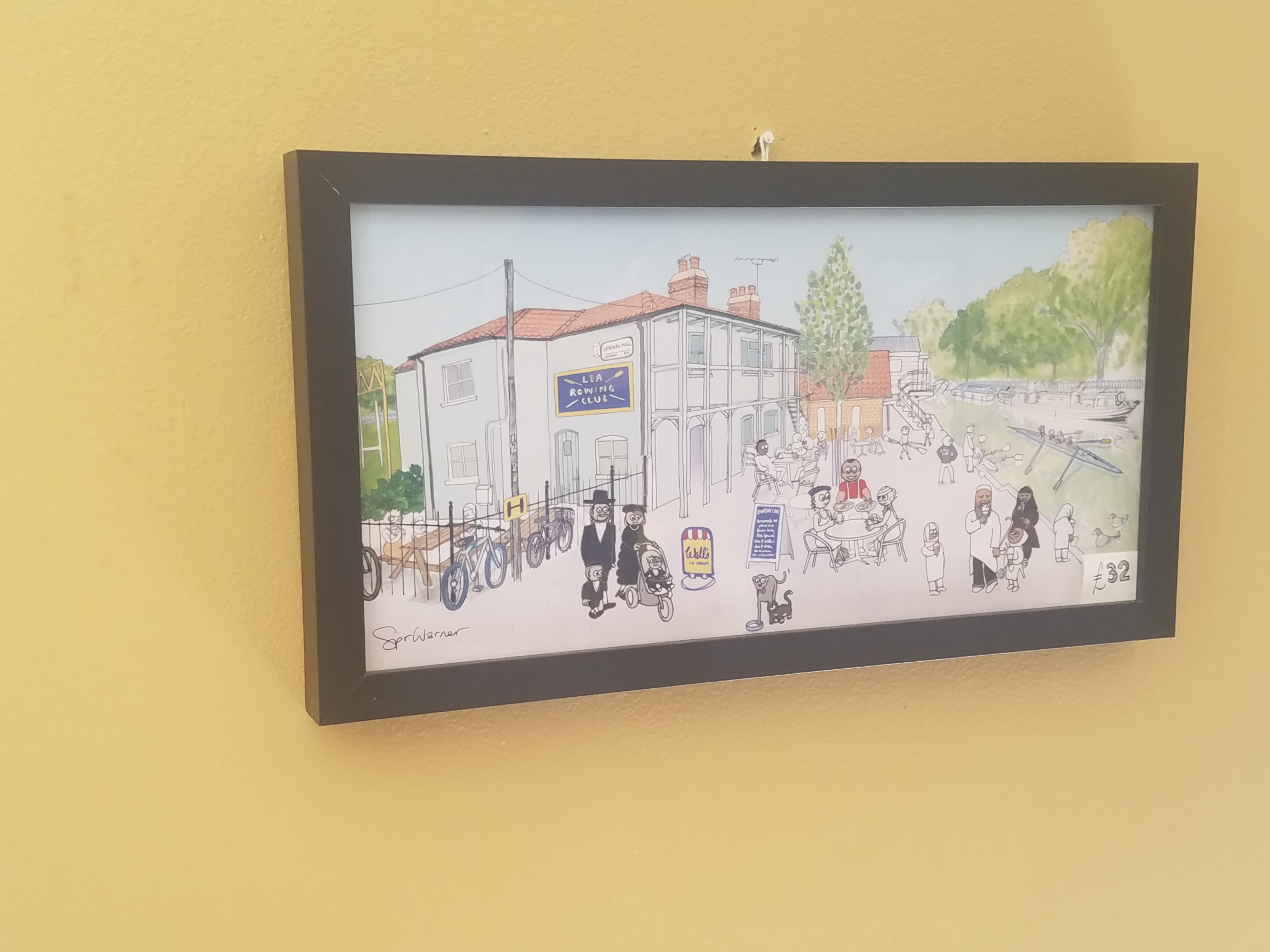
This is a drawing of the diverse community living next to the Canals in Walthamstow Marsh that was located in the coffee shop pictured in this drawing.
Walthamstow Copper Mill

This site originally had a water mill which ground corn in the fourteenth century; in the 17th century it was used to make gunpowder. In 1806, the New British Copper Company smelted copper here and were rolled into sheets to create many different types of copper coins. In 1859 the East London Waterworks Company acquired the mill to use as a water mill. The mill was used to drain the marshes in the area in order to build the current reservoirs in Walthamstow. There are currently twelve reservoirs covering 300 acres of land and serves over 1.5 million customers. The reservoirs also serve as London’s biggest fishery. The Walthamstow Copper Mill is used as a visitor center; Thames Water maintains the reservoirs currently.

http://hidden-london.com/gazetteer/coppermills/
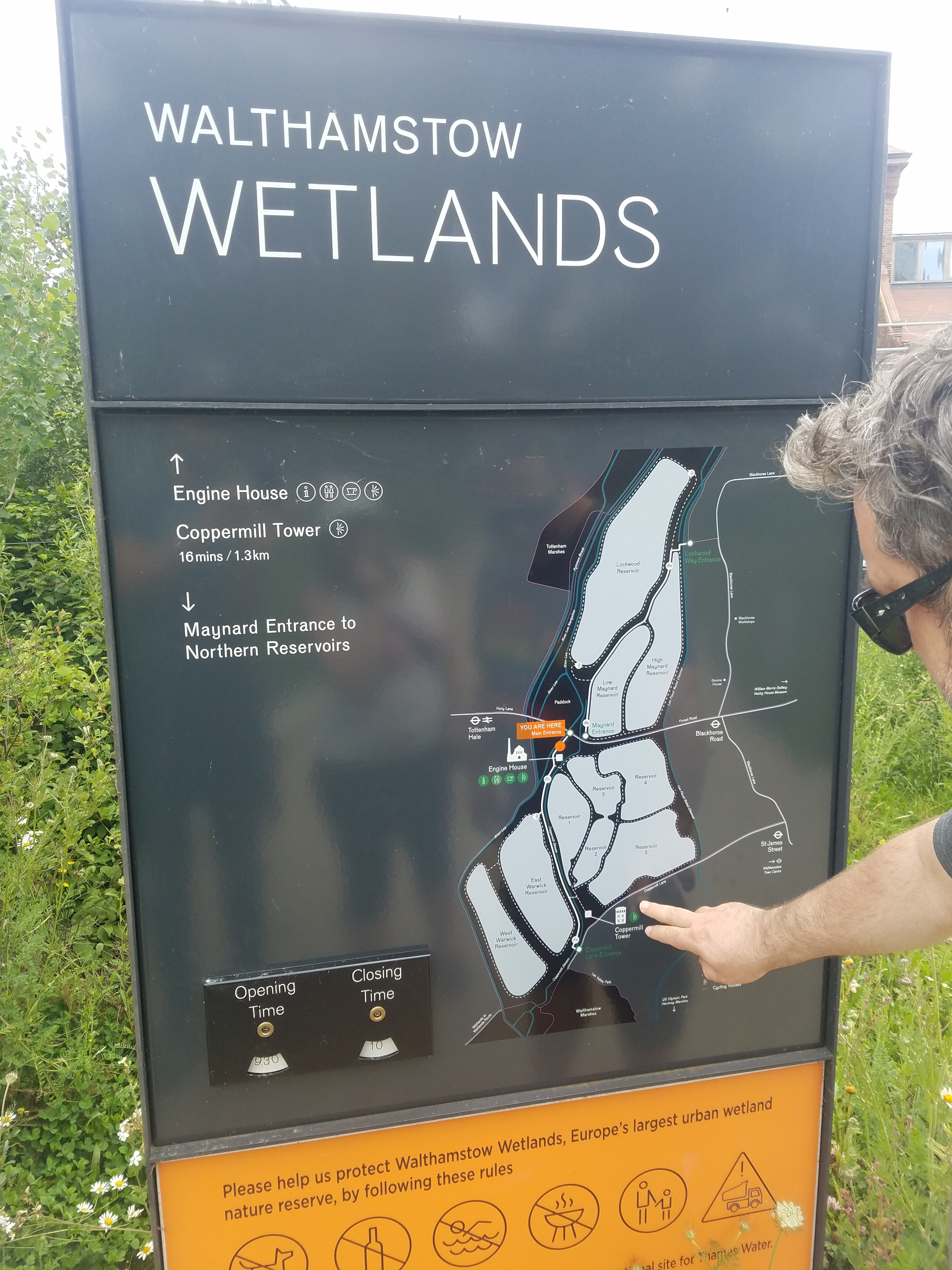
Walthamstow Wetlands Map

The Animals in the wetlands are varied and include mammals, insects, fish, amphibians and reptiles. The reed-beds offer nesting and food opportunities for a large variety of birds including the Bittern, Moorhen, Water Rails, Cetti’s Warbler, Reed Warbler, sedge Warbler, Reed Bunting, Snipe, and Jack Snipe.

The mammals that live in Walthamstow include the Water Vole which feeds off of the roots of the reed-beds, and grass, and Pippestrel and Daubenton Bats. The insects in the area include damselflies, dragonflies, midge beetles, hog louse, leeches, water snails, aquatic worms and ten different types of water-skates.

There is one type of aquatic snake in the area; the grass snake. It is timid, not poisonous and enjoys sunning itself. The fish in the area include the Chub, Bream, Pike (Which eats small fish and birds). Mirror Carp, Tench, Barbel, and European Eel.
Conservation in Walthamstow

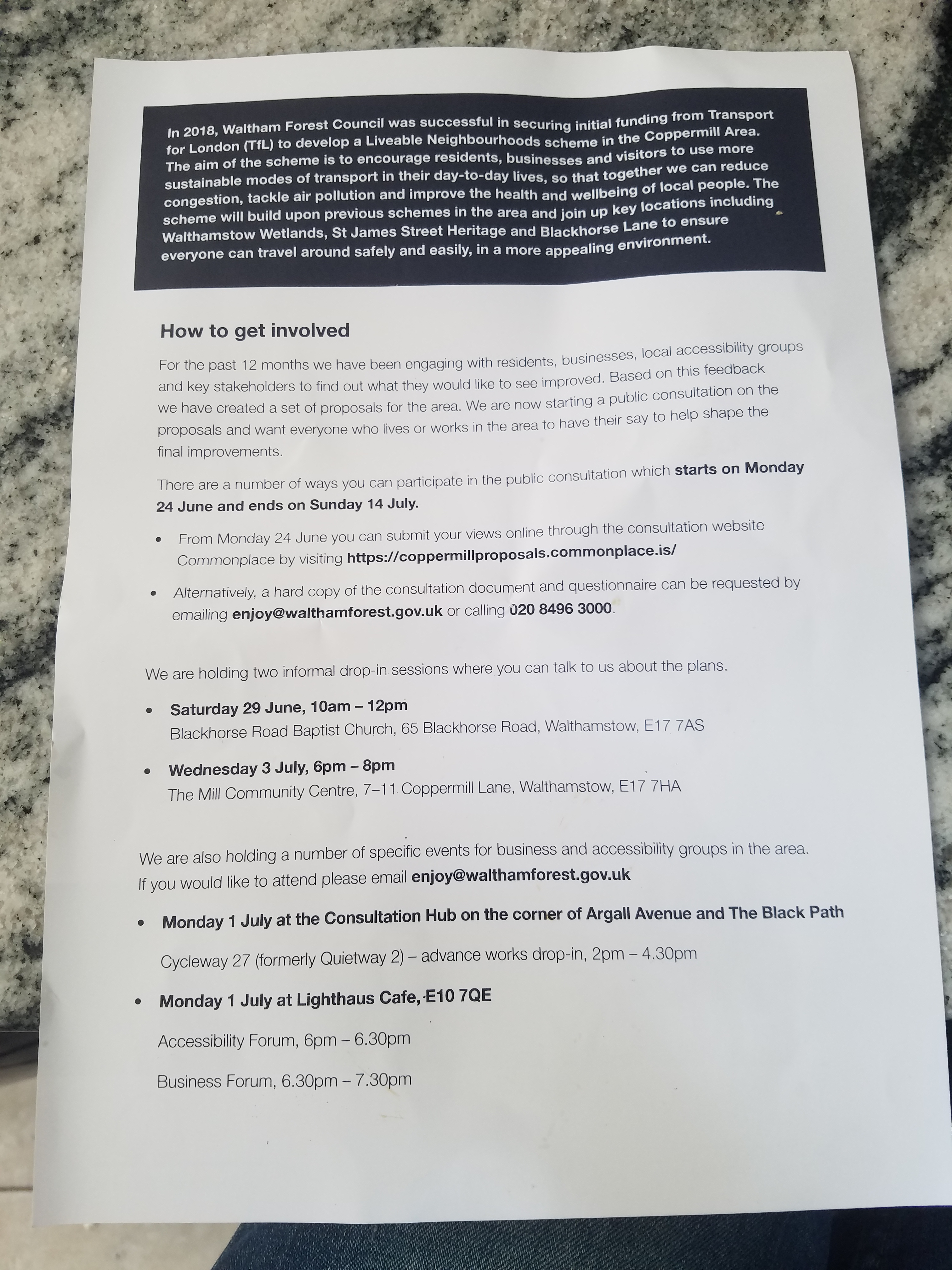
The Walthamstow Forrest Counsel is designed to enhance Walthamstow’s livability. Currently, according to a resident of Walthamstow, the counsel is considering closing the road that goes to the Walthamstow Wetlands to automobiles. This will create allow access to the wetlands only by foot and bike. The opinion of the resident stated that most residents fear that this will have a negative impact on the local traffic. Part of the project include closing some other local streets and putting in traffic circles which will further condense traffic in an area that is already heavily impacted by traffic (as of summer 2019).
Shroud, Totnes and Dartington

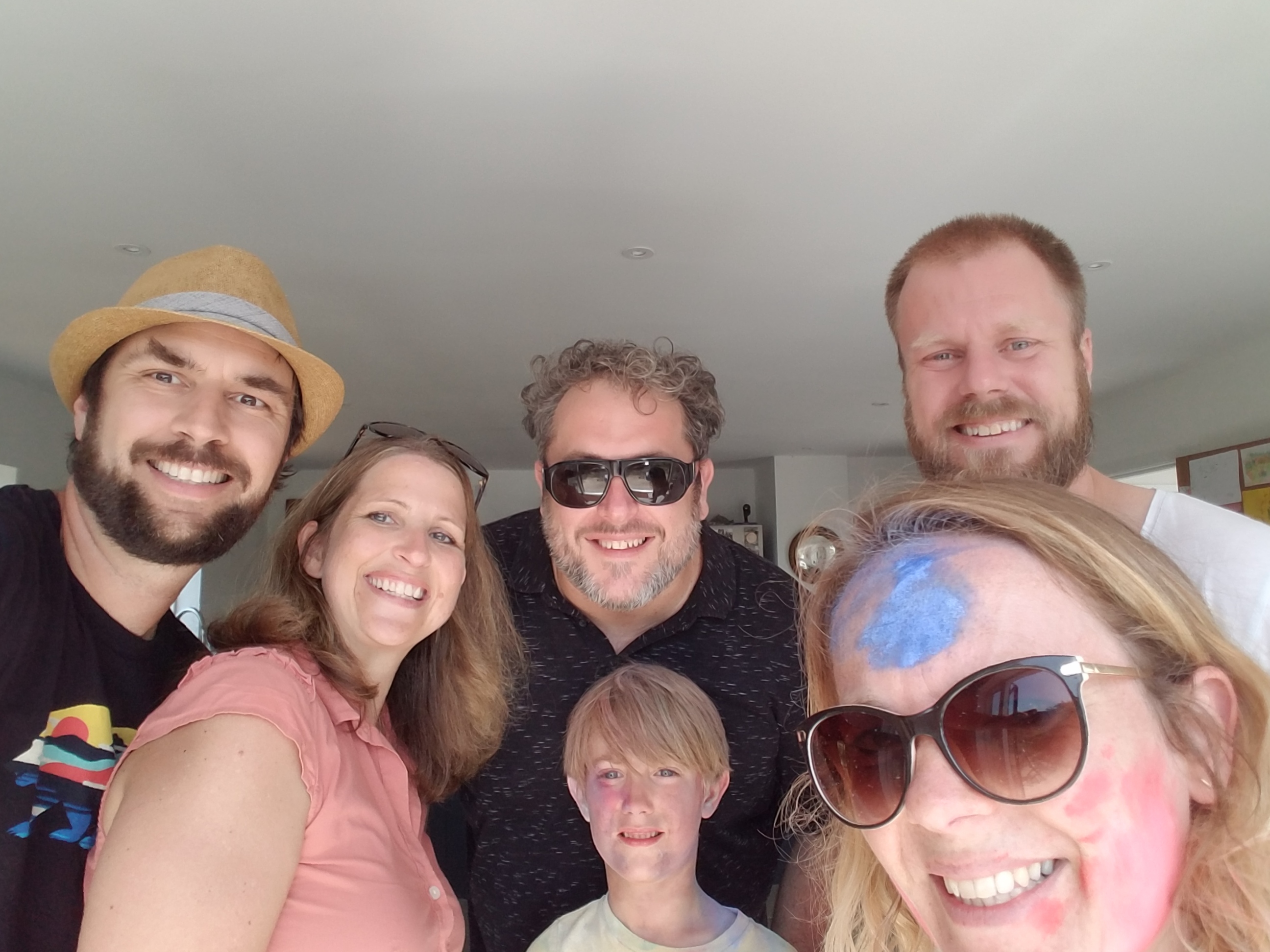
Family in Walthamstow and Shroud
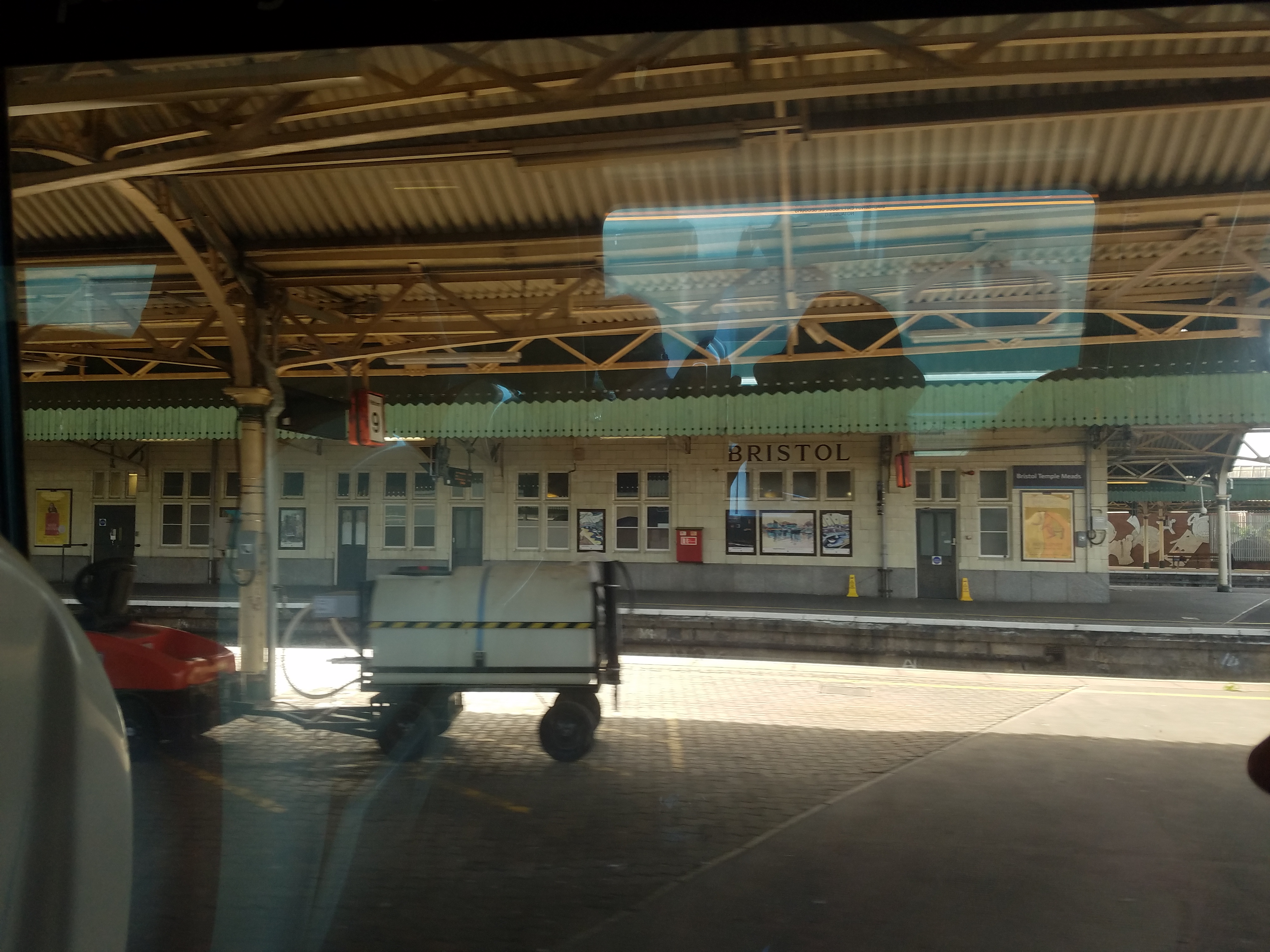
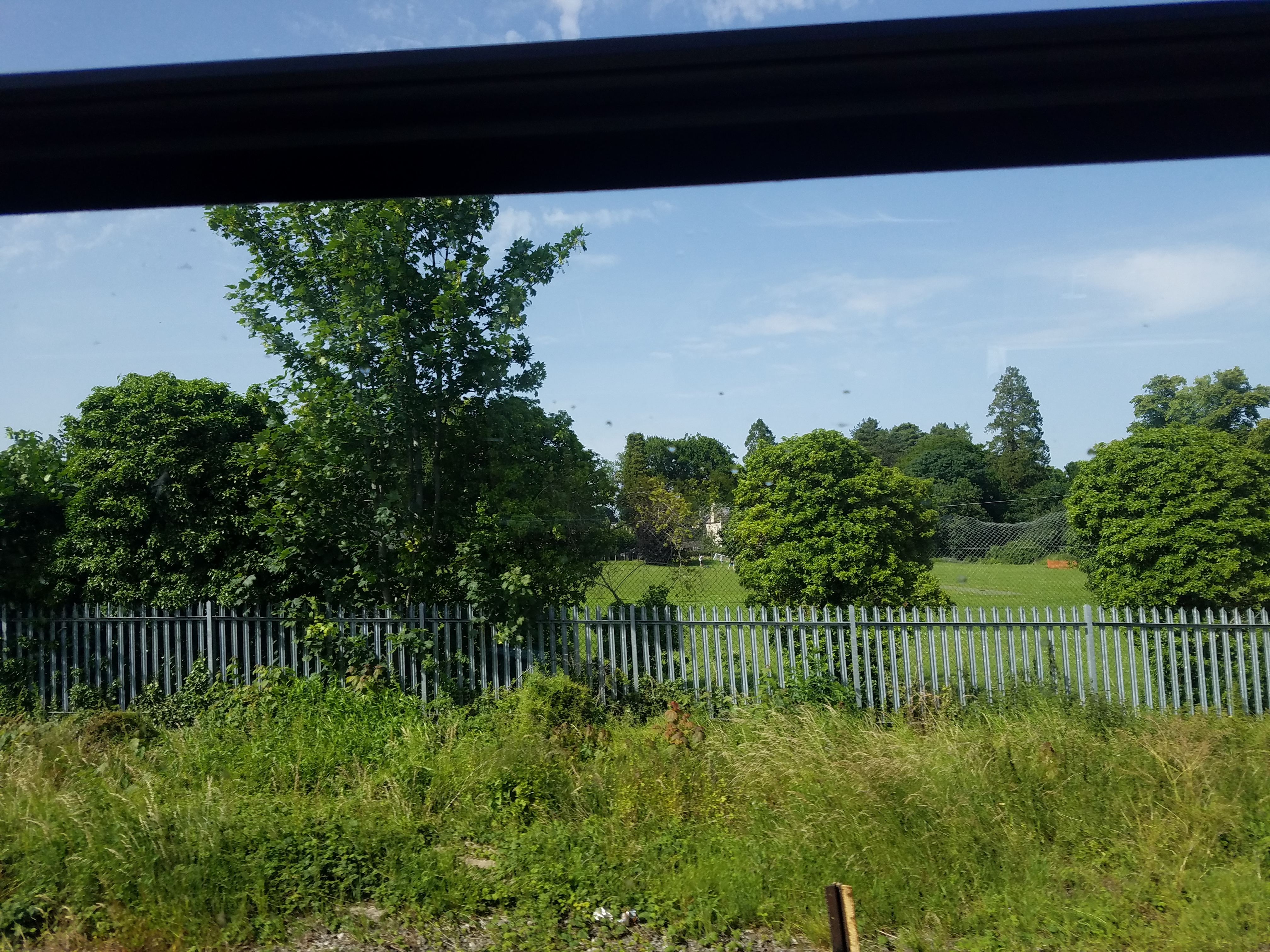
Scenic Landscape from Shroud to Bristol
On the train from Bristol to Totnes
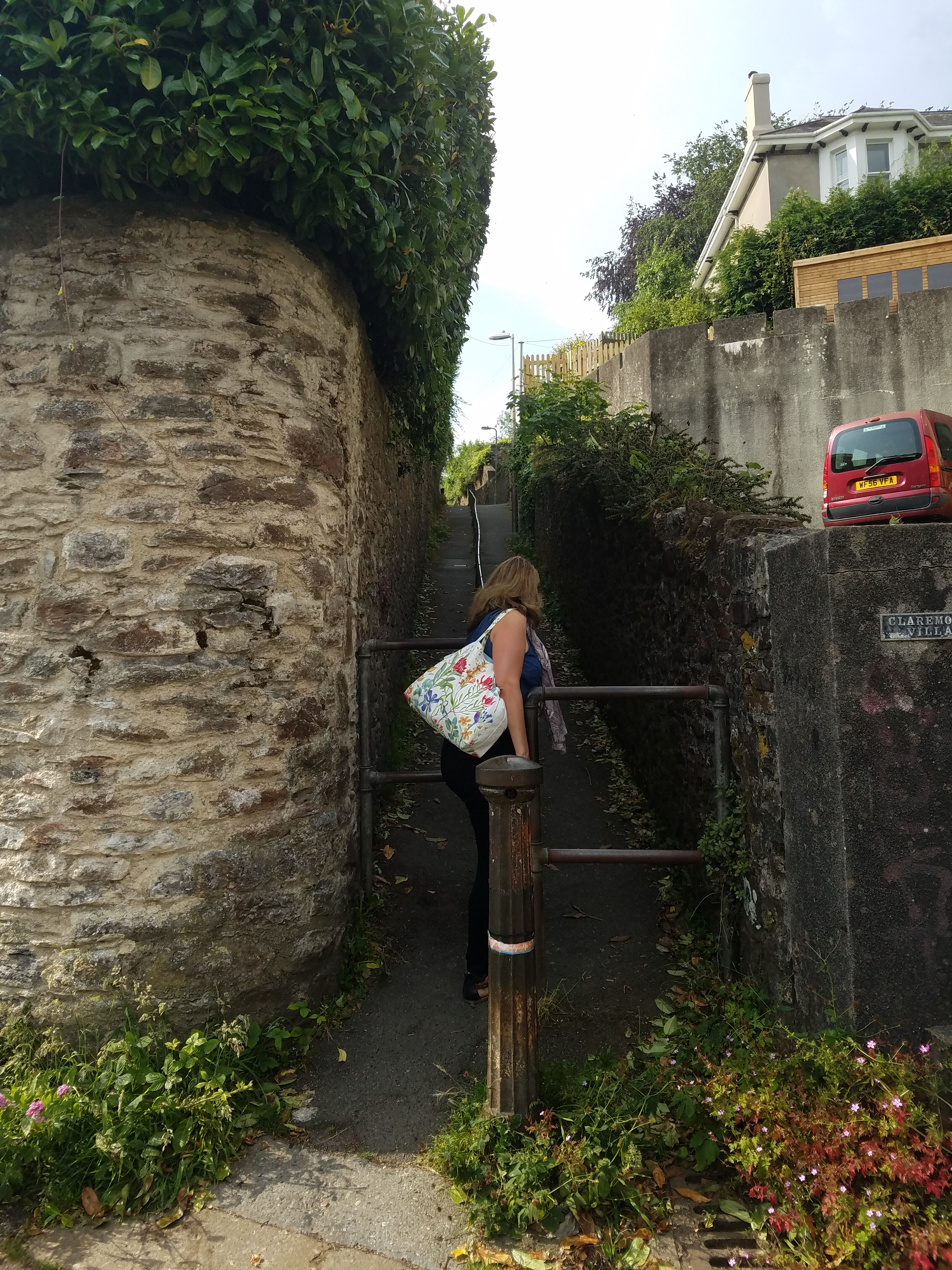
Path to the center of Totnes
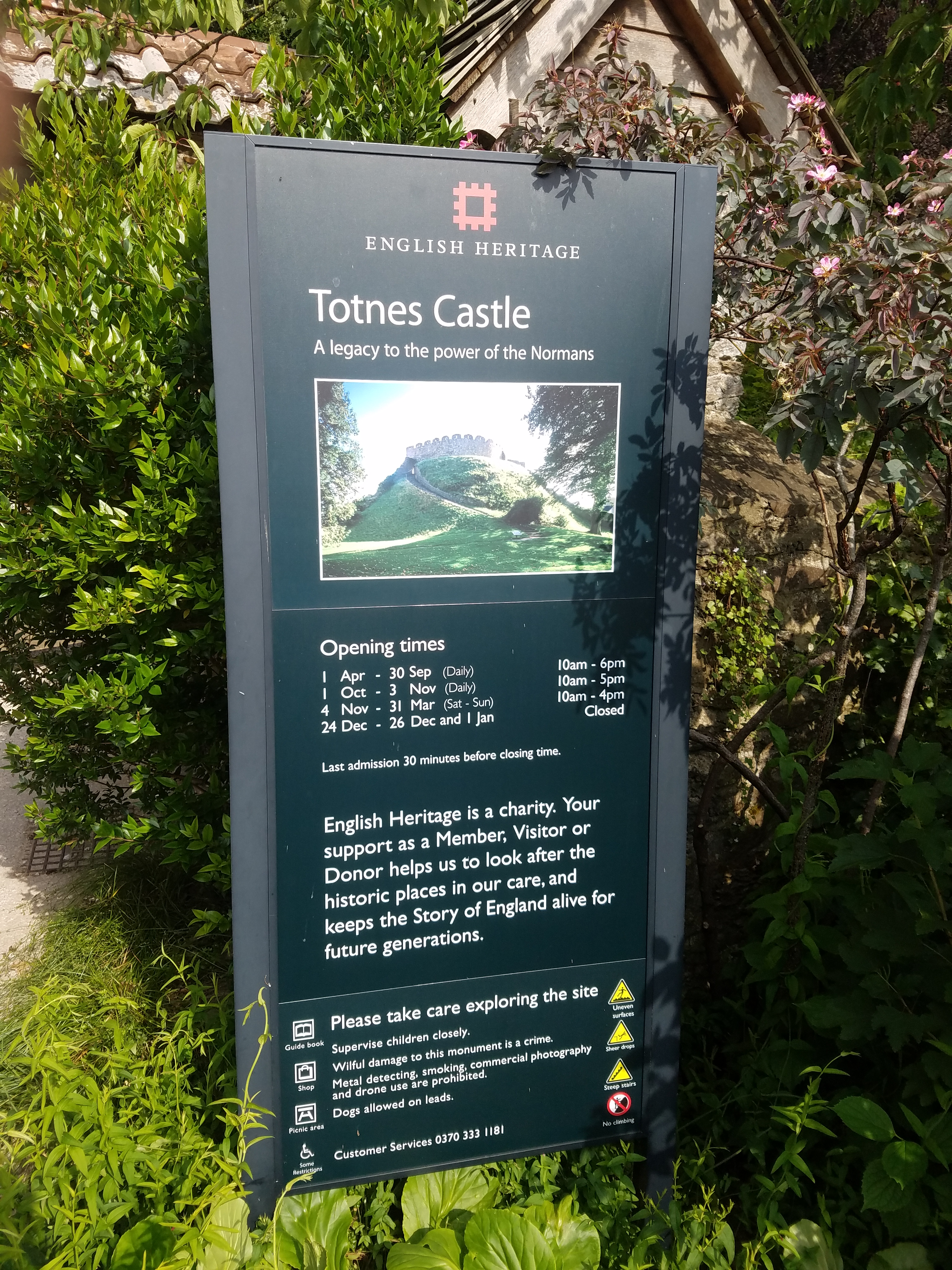
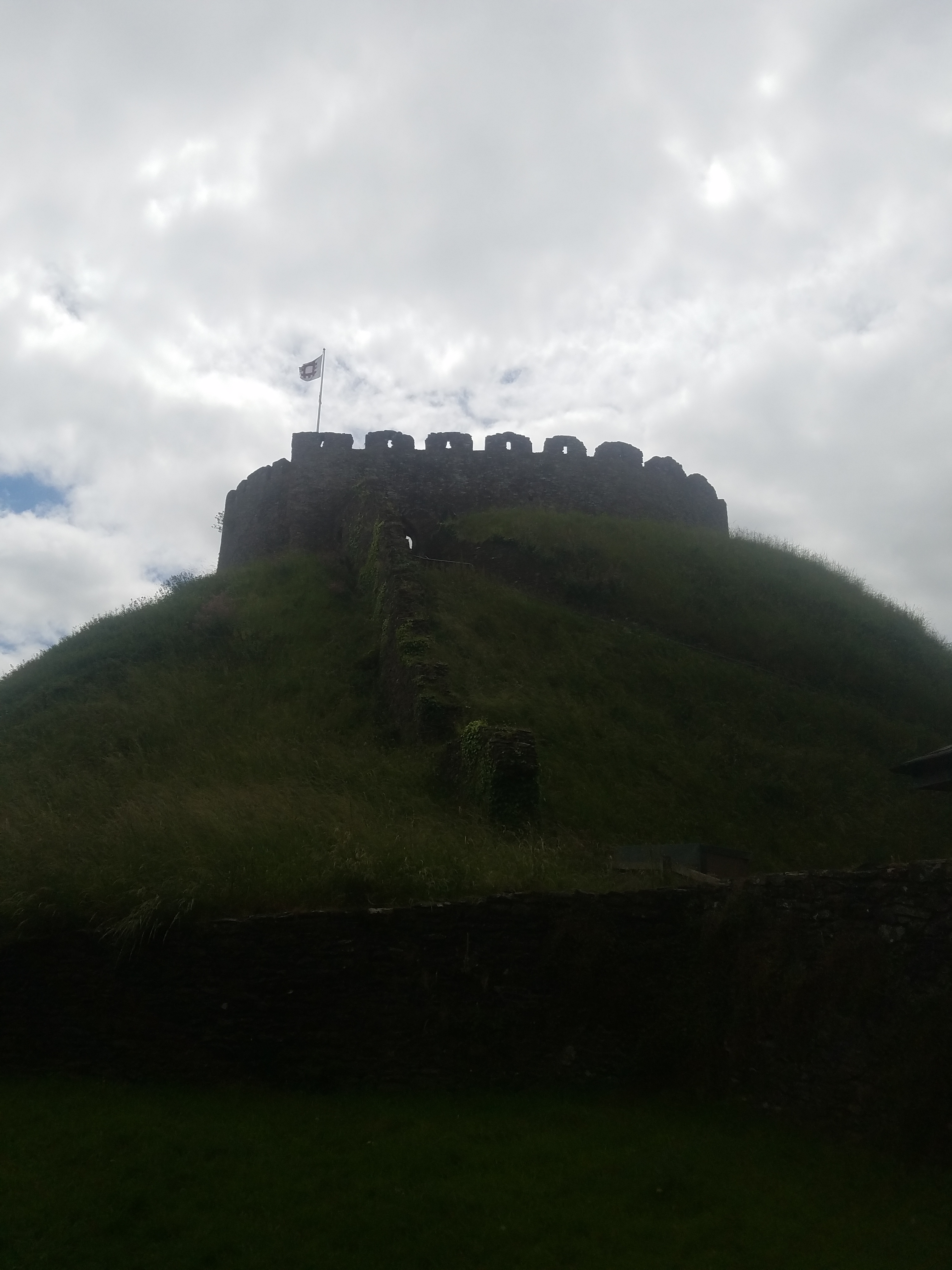
Totnes Castle
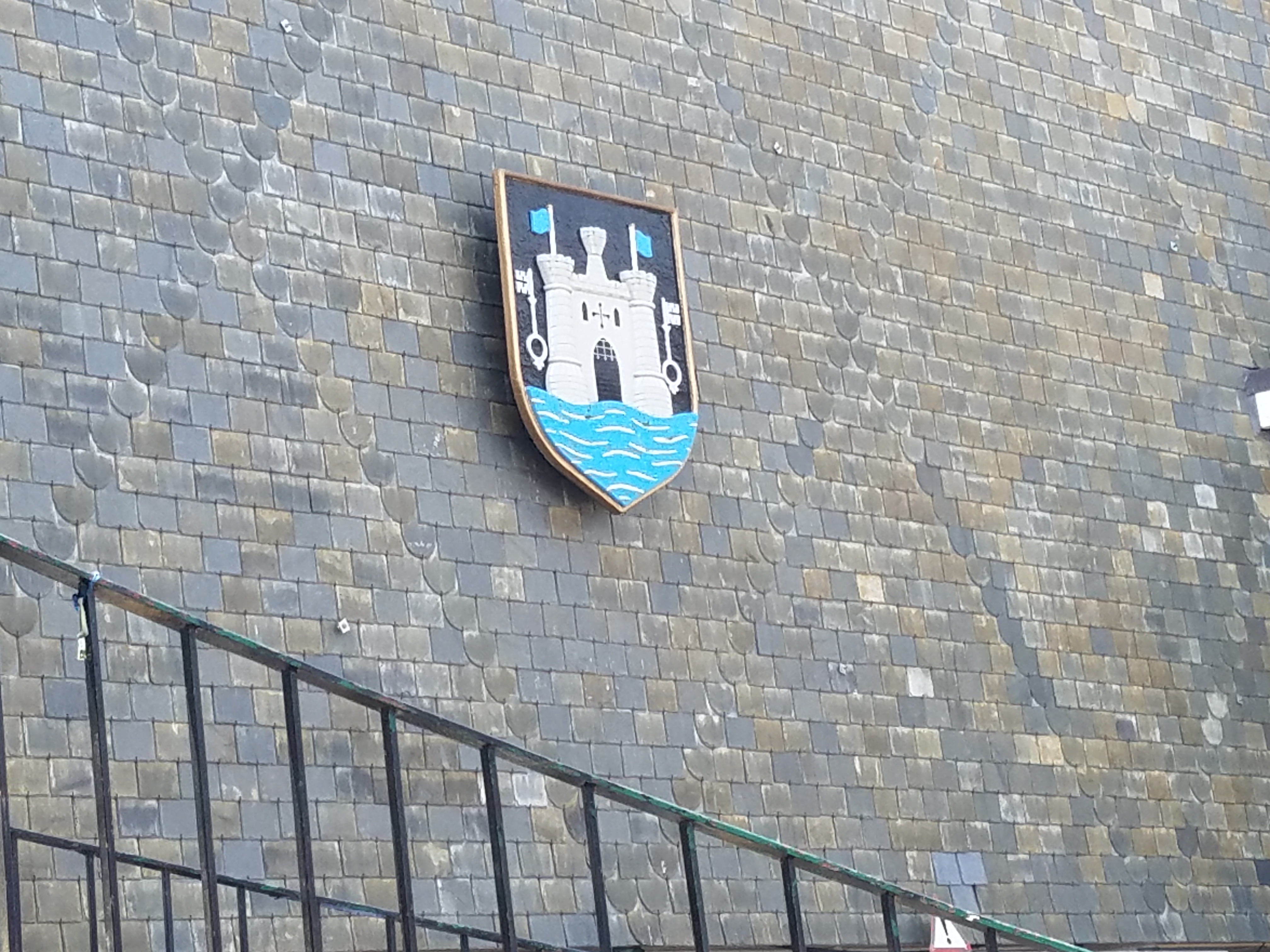
Totnes Coat of Arms
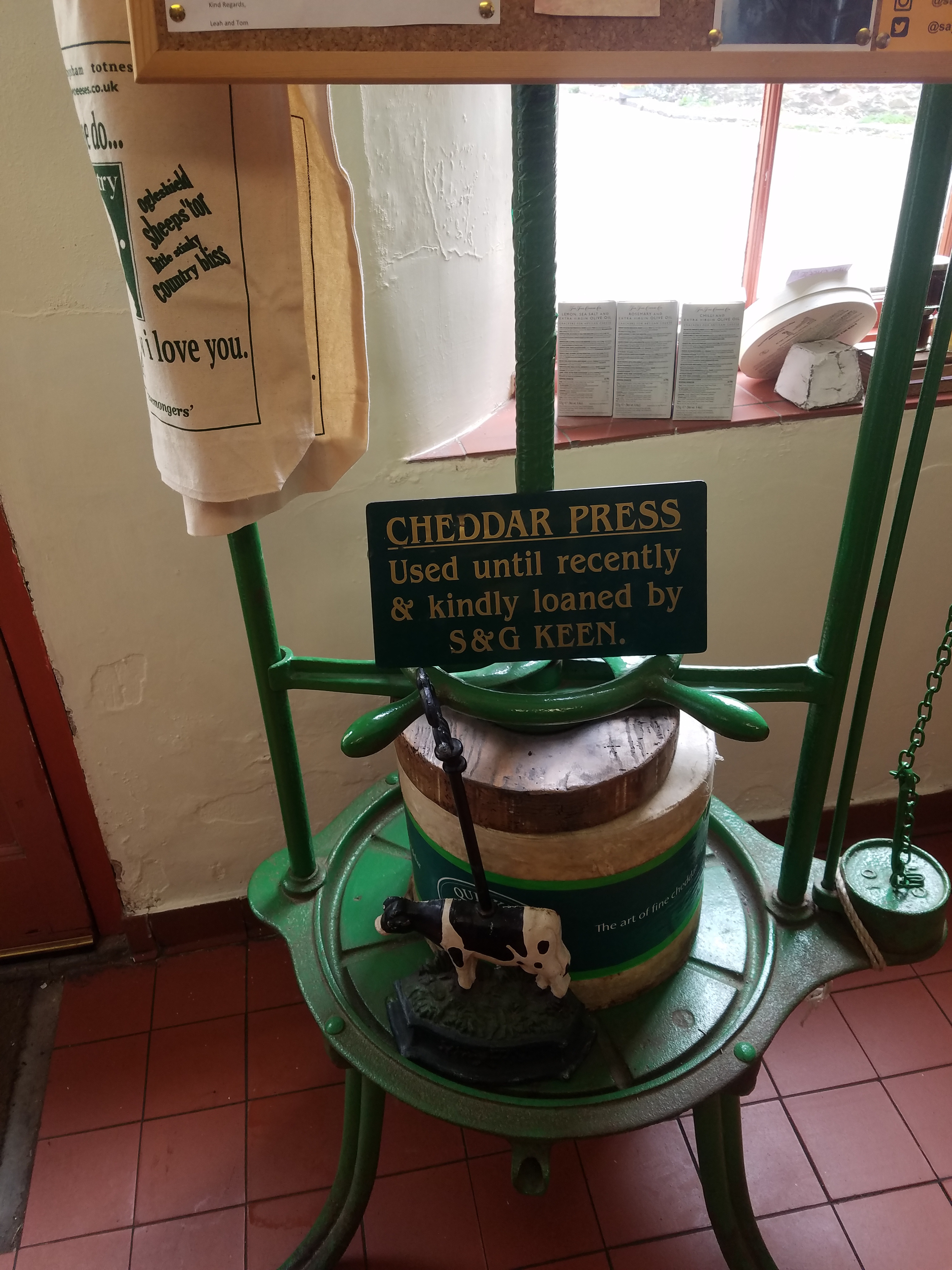
A Cheddar Press in a local Cheese shop where we sampled local goats milk and cheddar cheese.
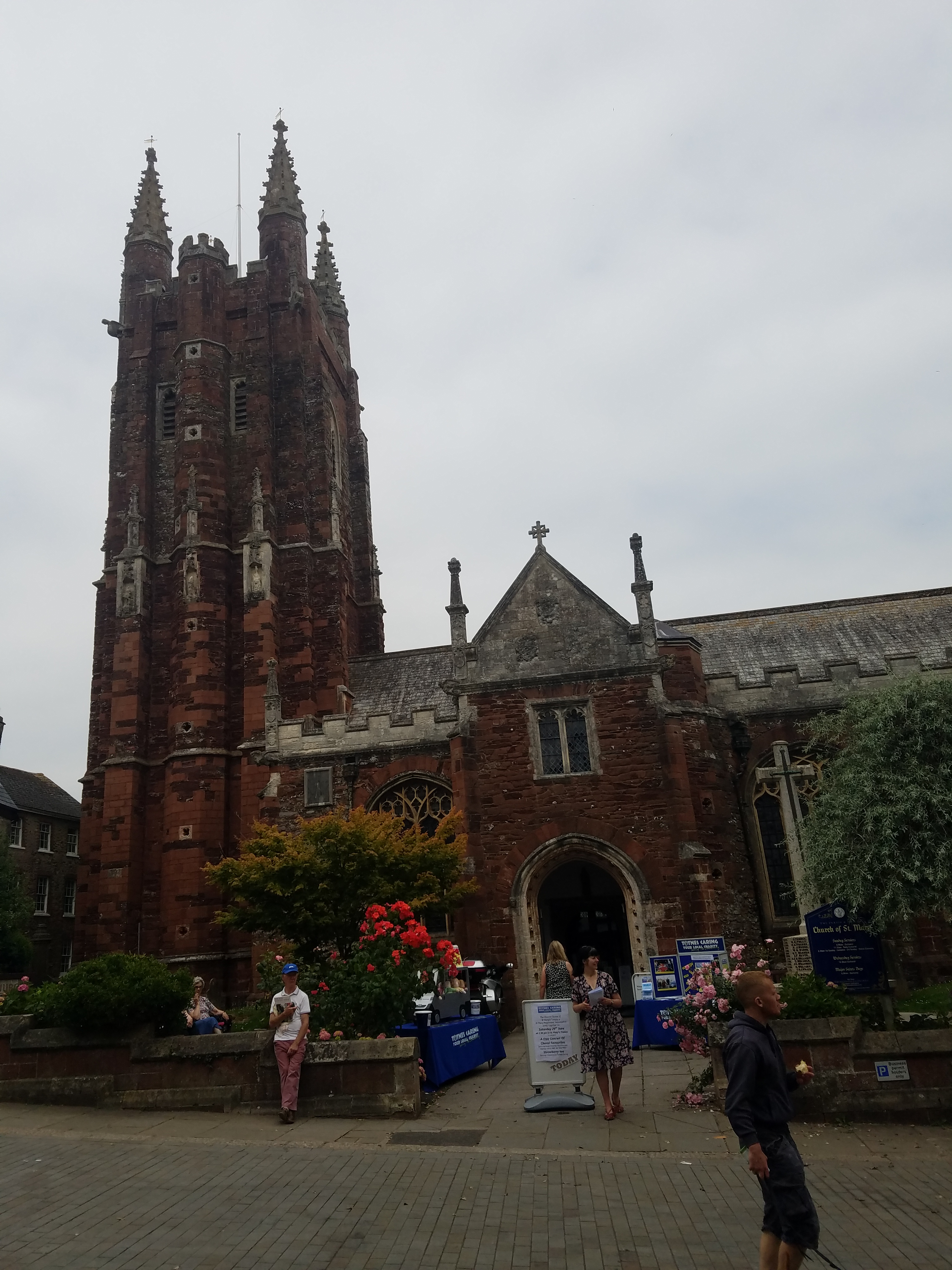
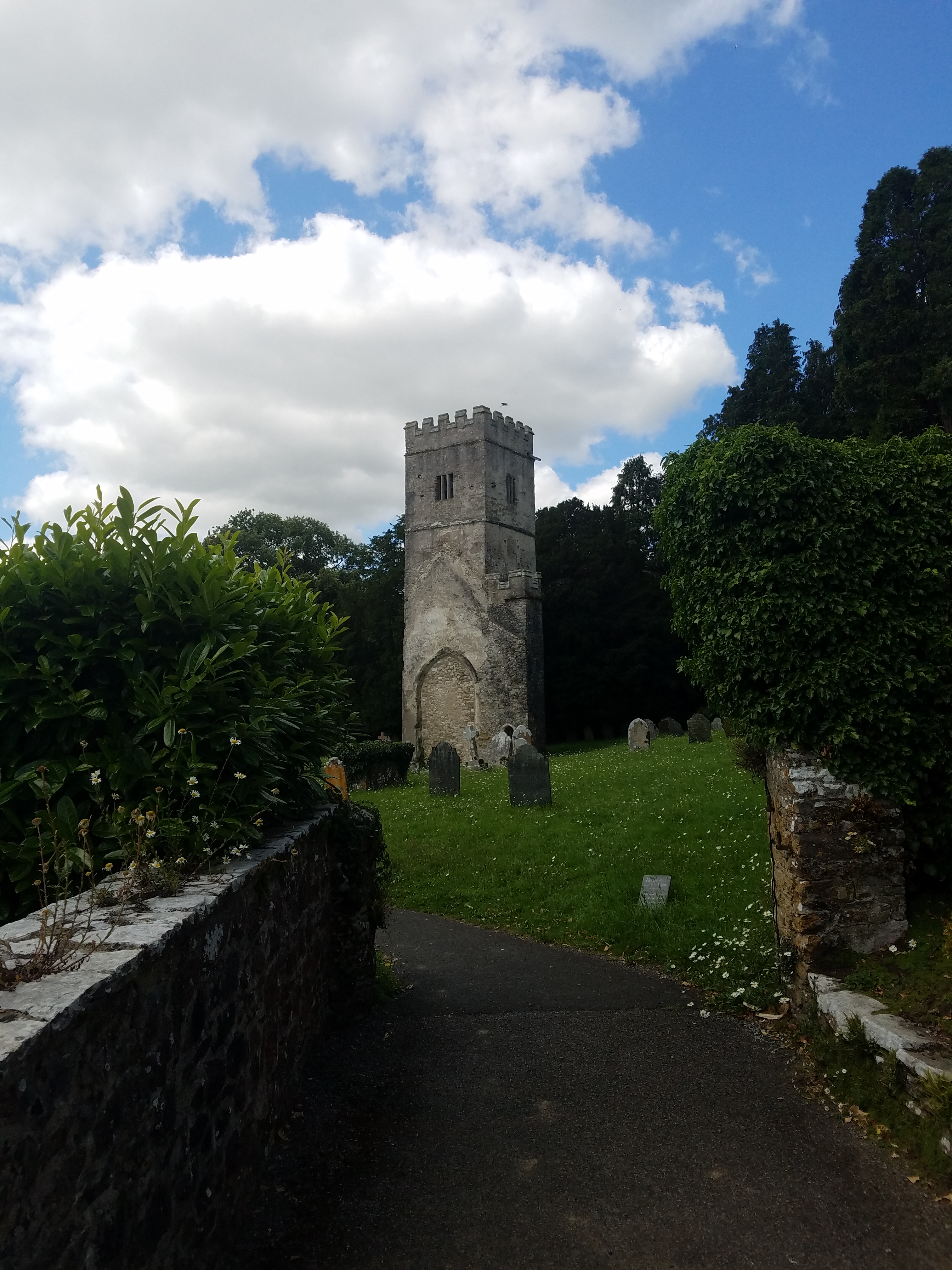
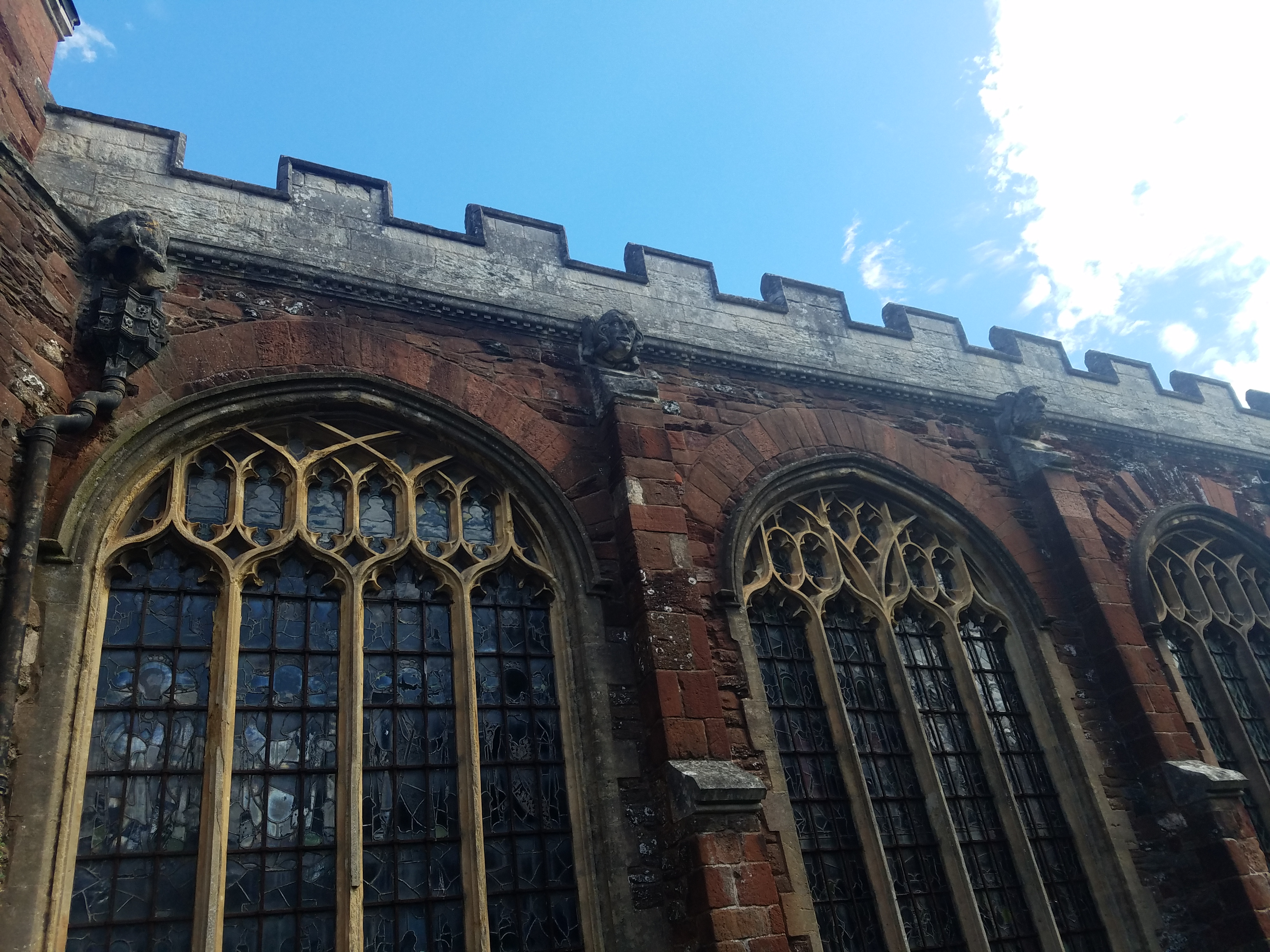
St. Mary’s Church
Totnes Castle, from the Castle’s Baily
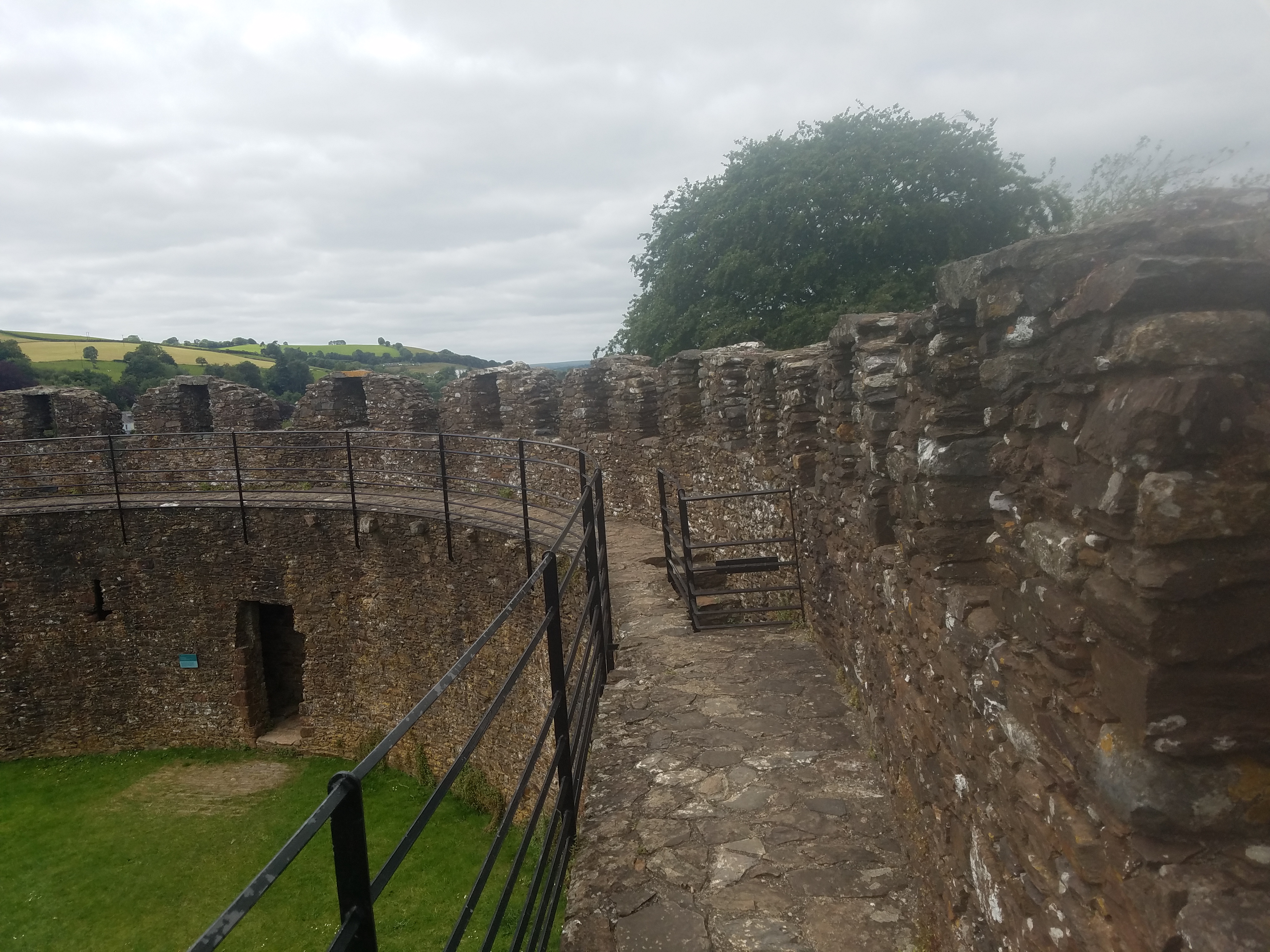
Totnes Castle, on top of the castle
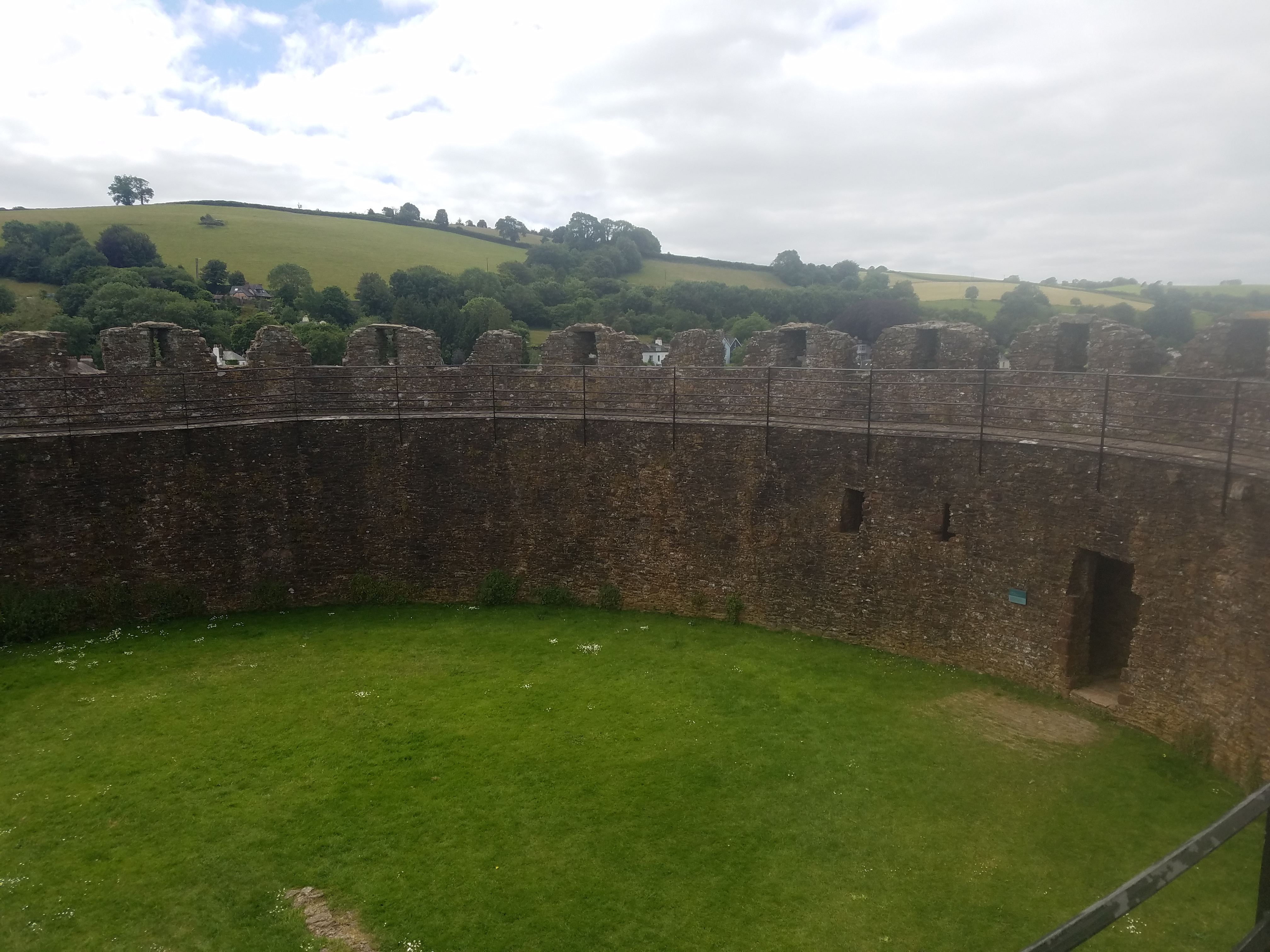
Totnes Castle, in the inside
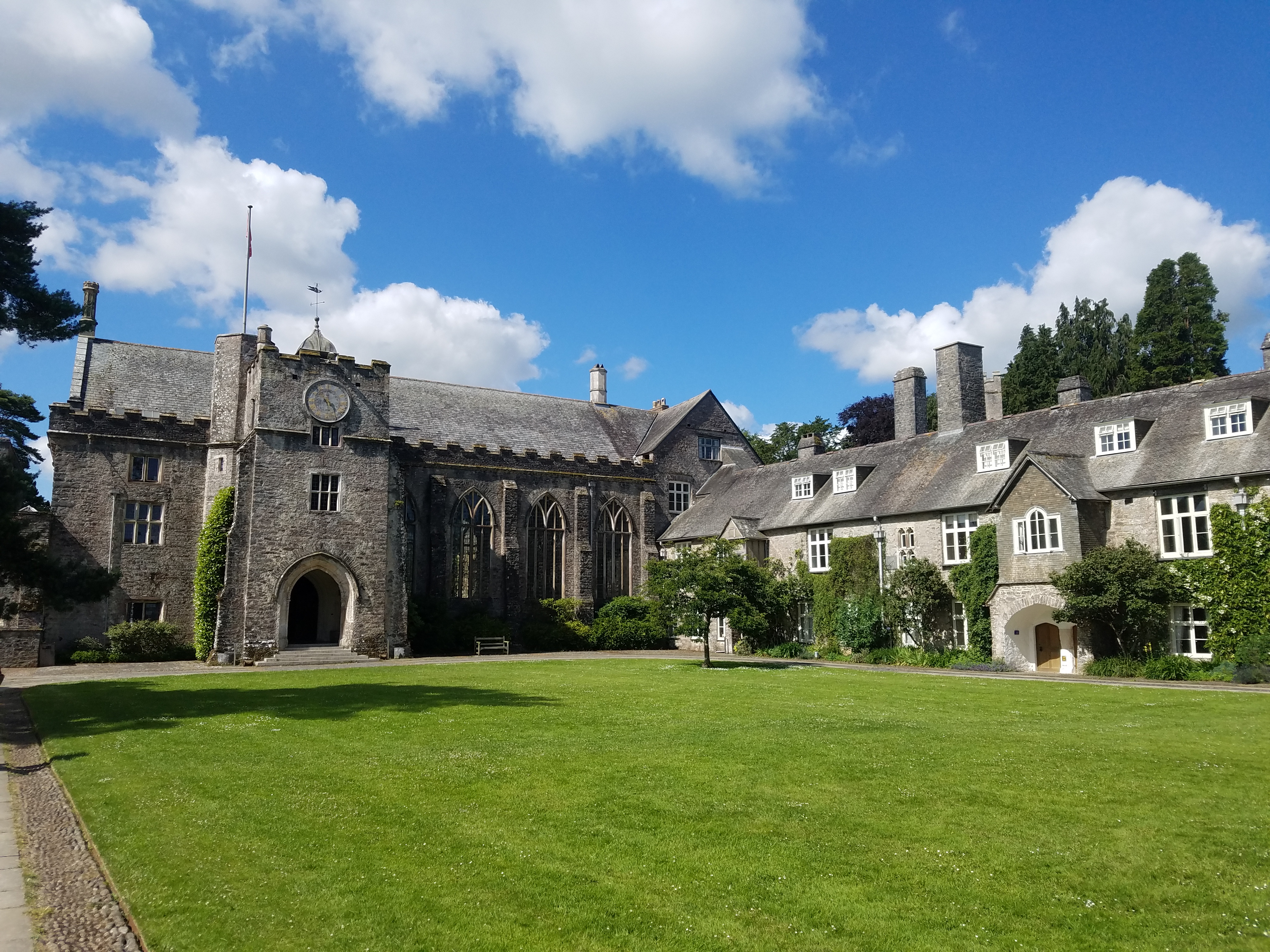
Dartington Hall
Dartington Hall
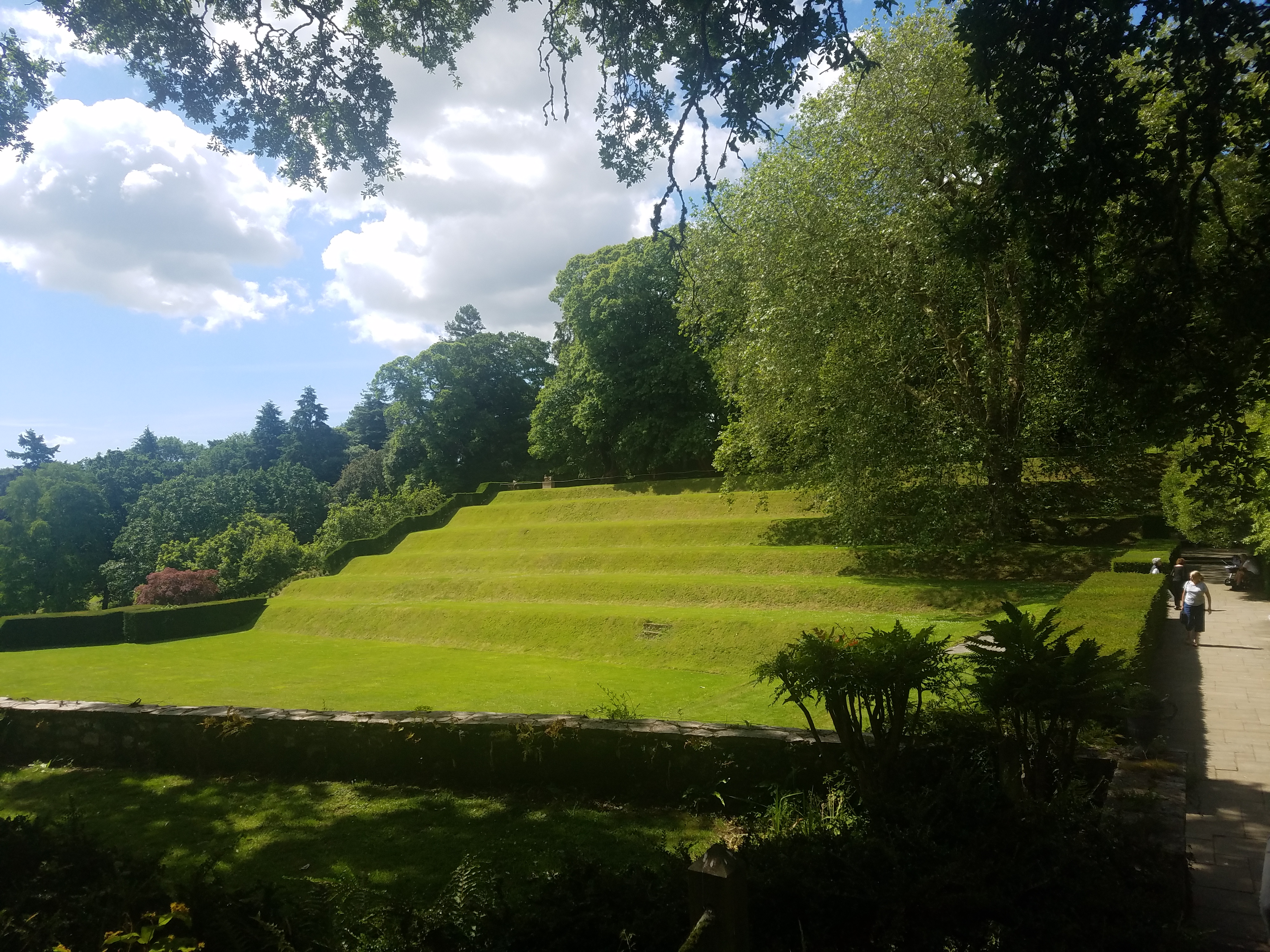
Grass Terraces at Dartington Hall
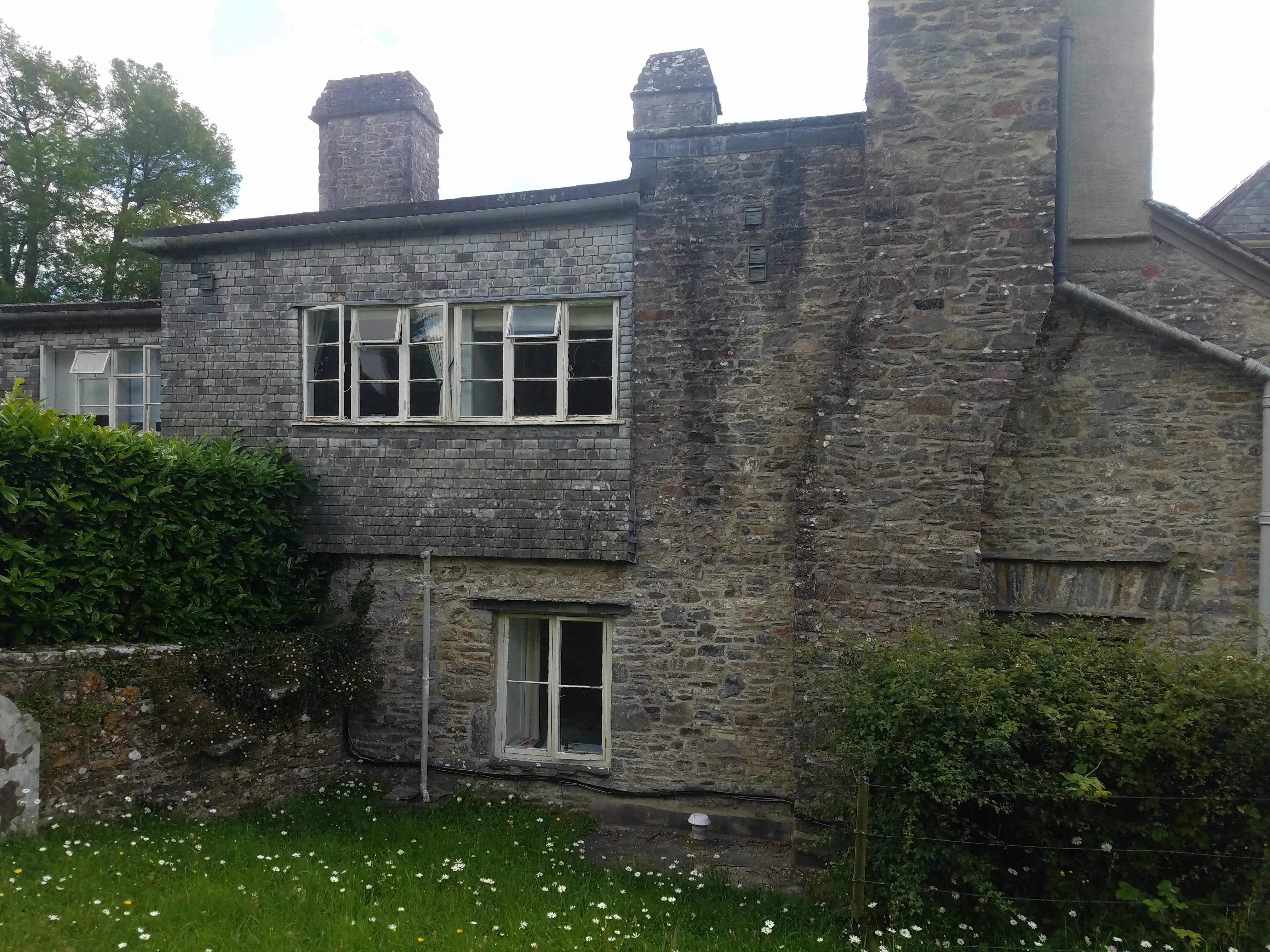
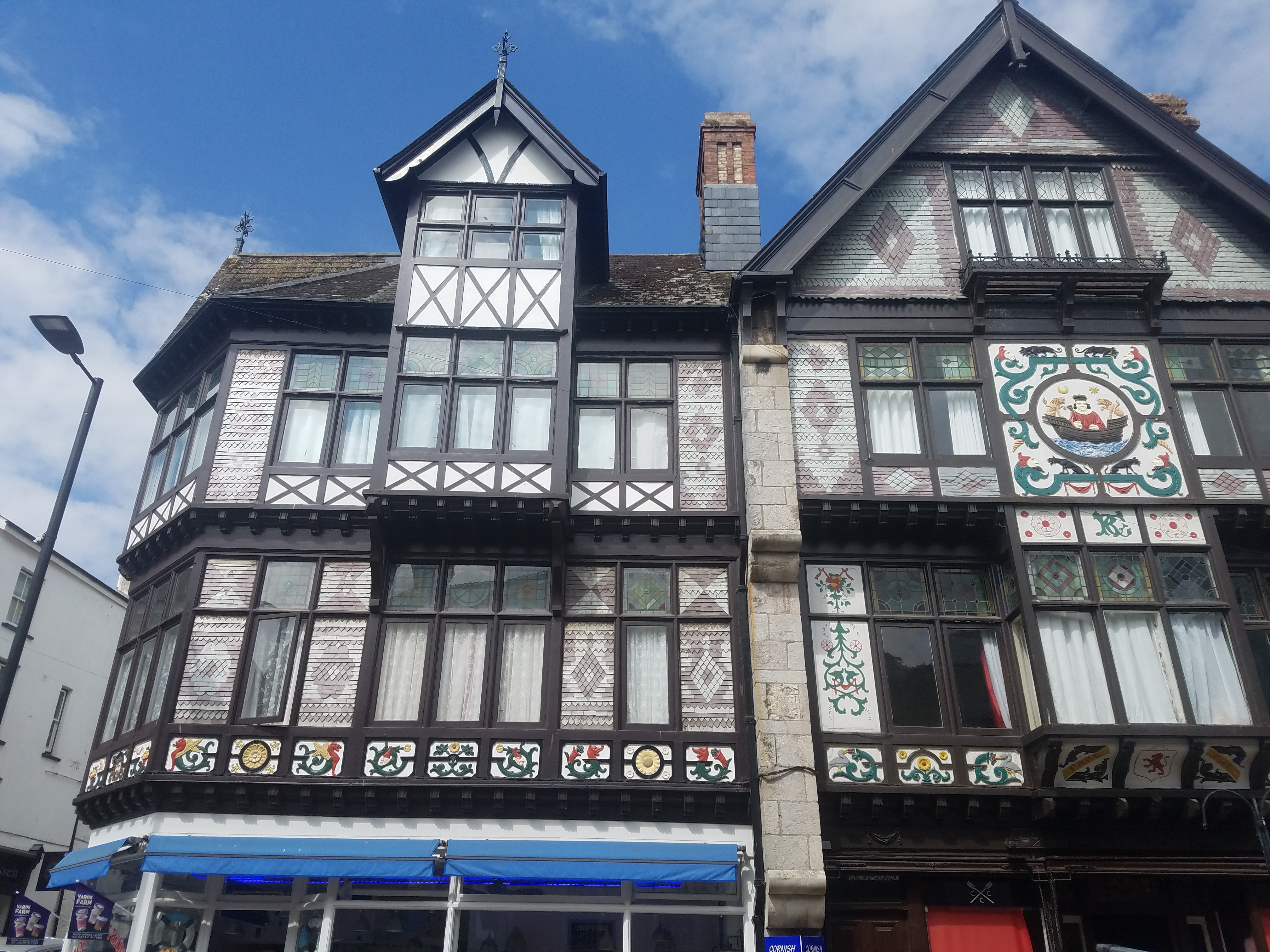
Historic house in Dartmouth
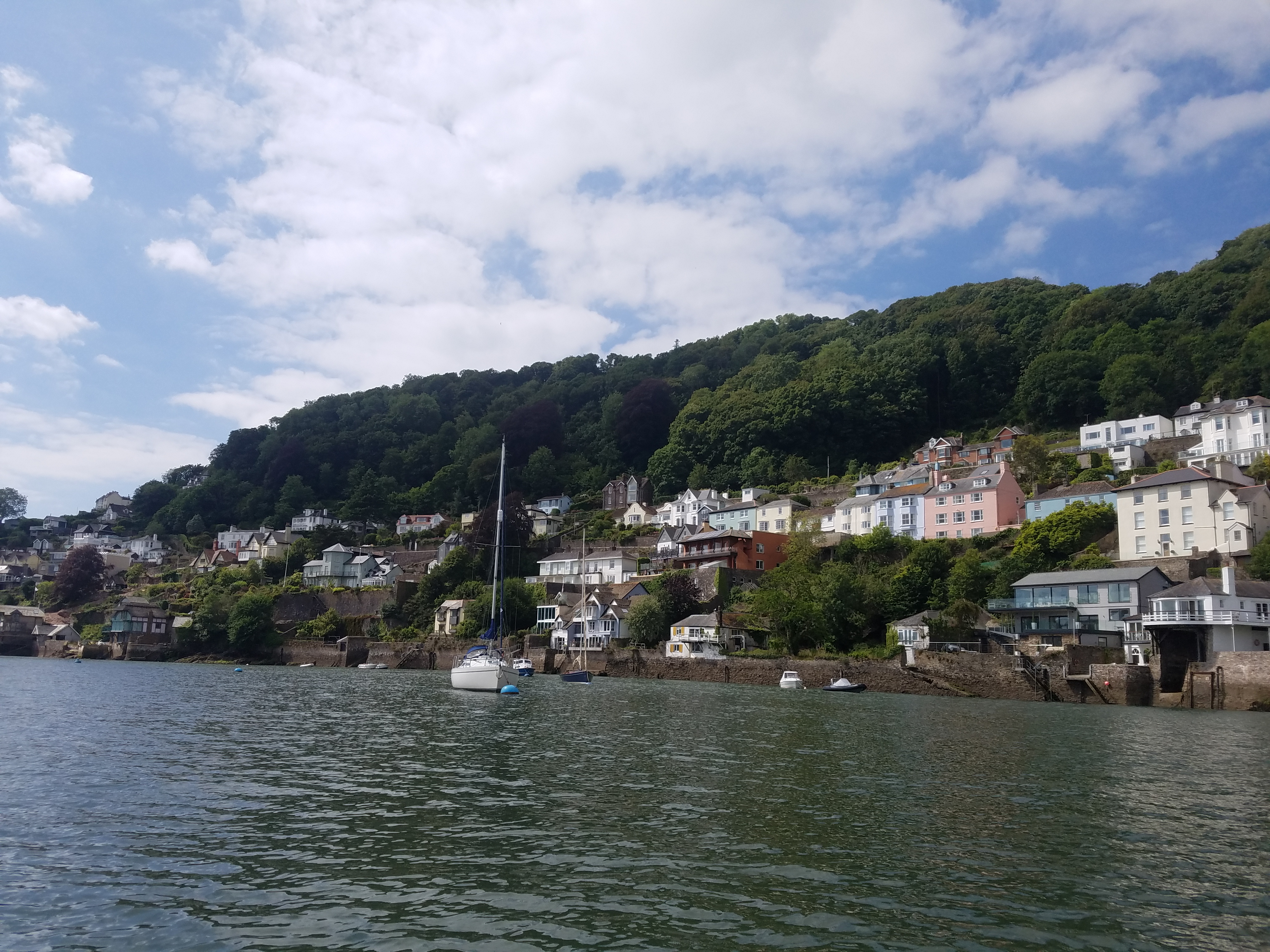
On the Ferry viewing the city of Dartmouth
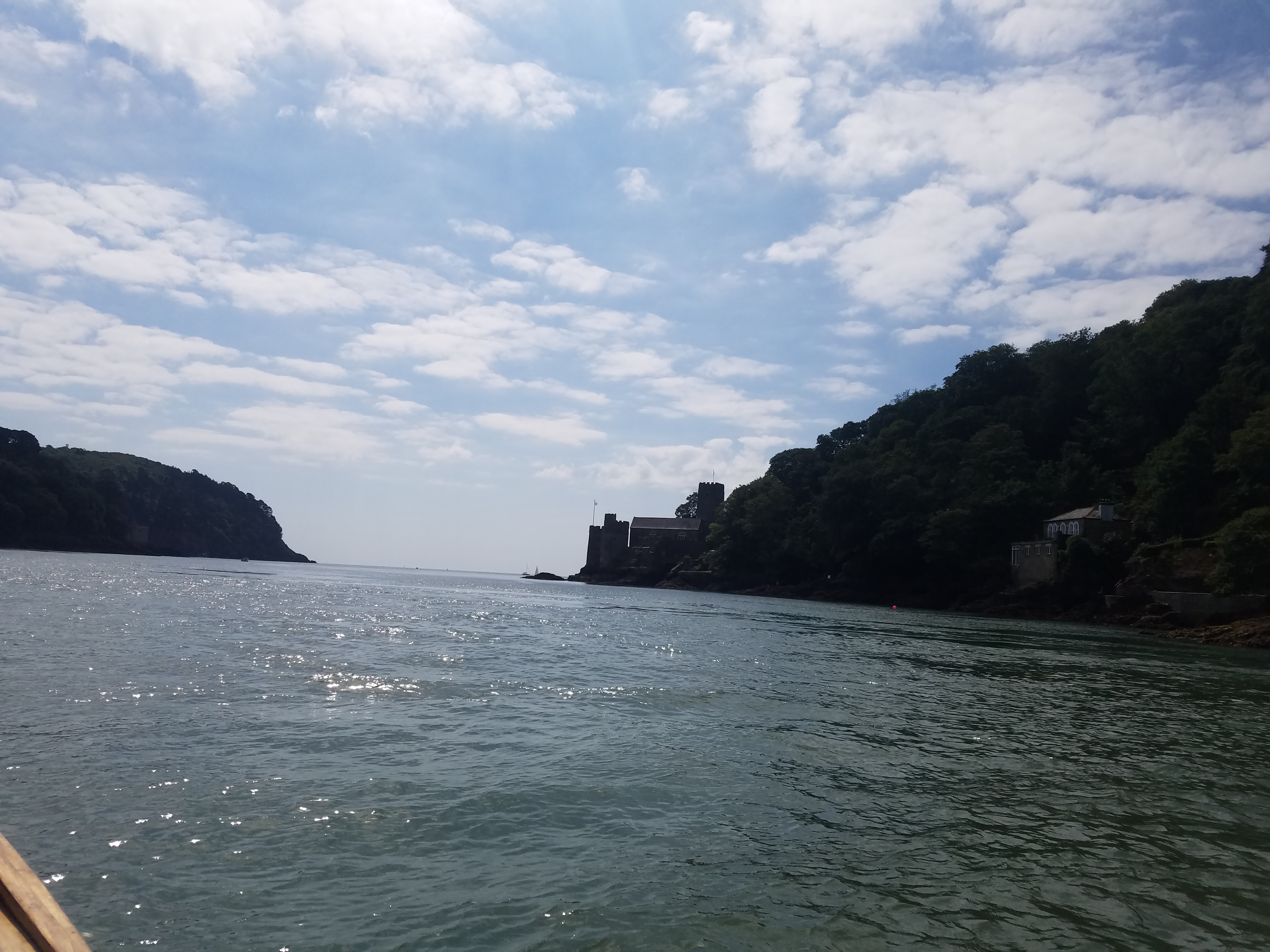
On the Ferry going to Dartmouth Castle (The castle is straight ahead)
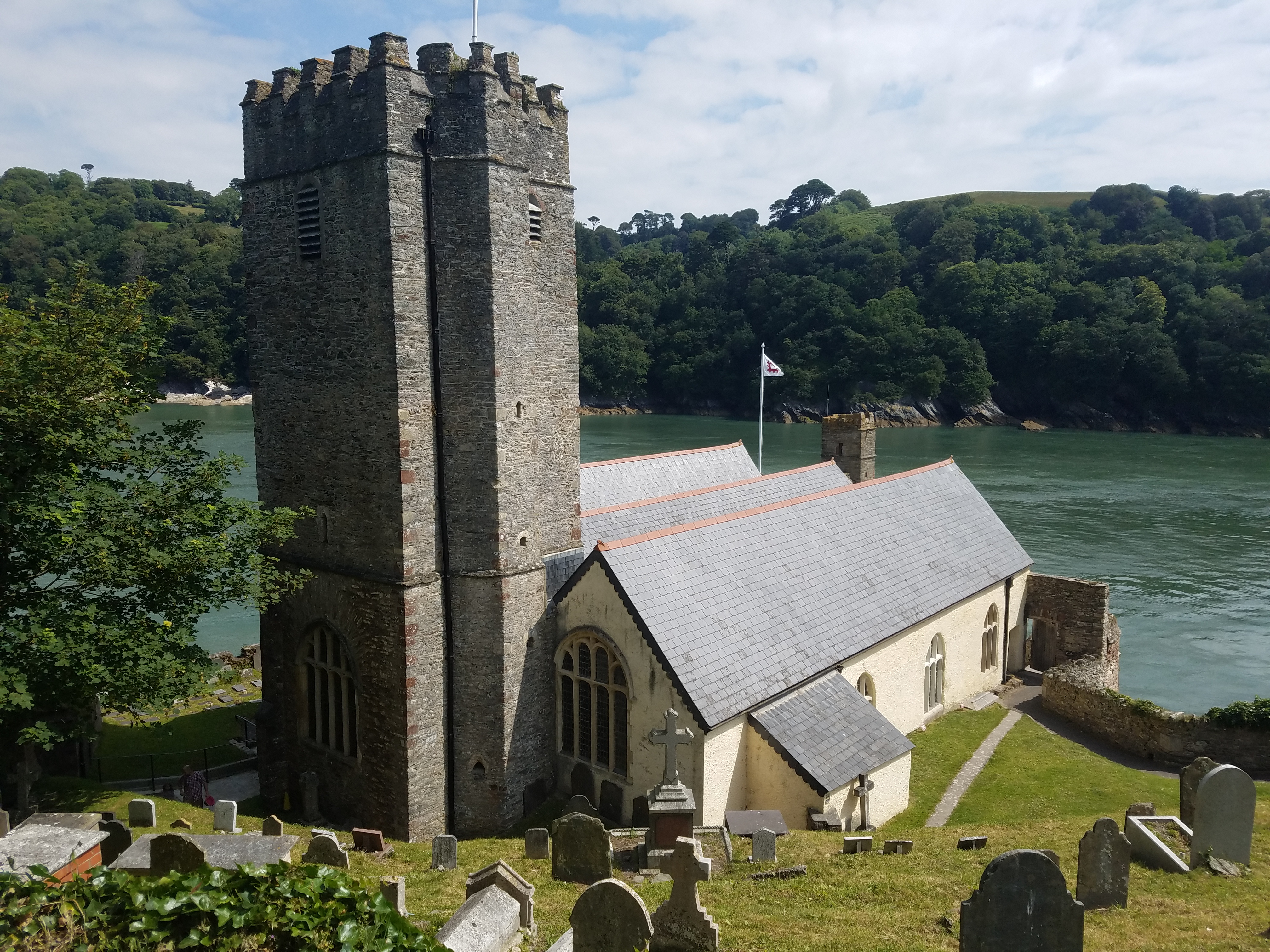
Church on the ground of Dartmouth Castle
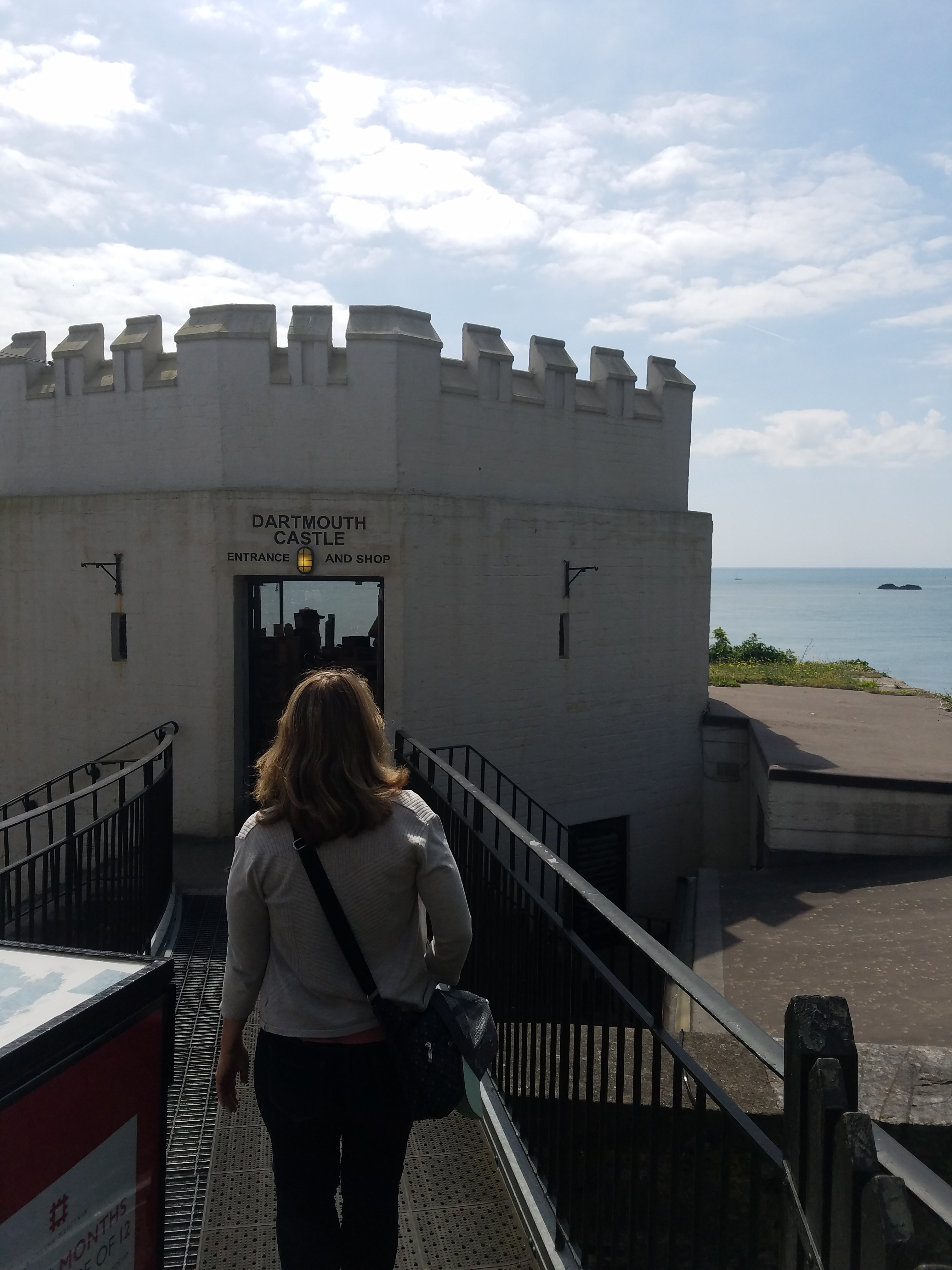
Entrance to Dartmouth Castle
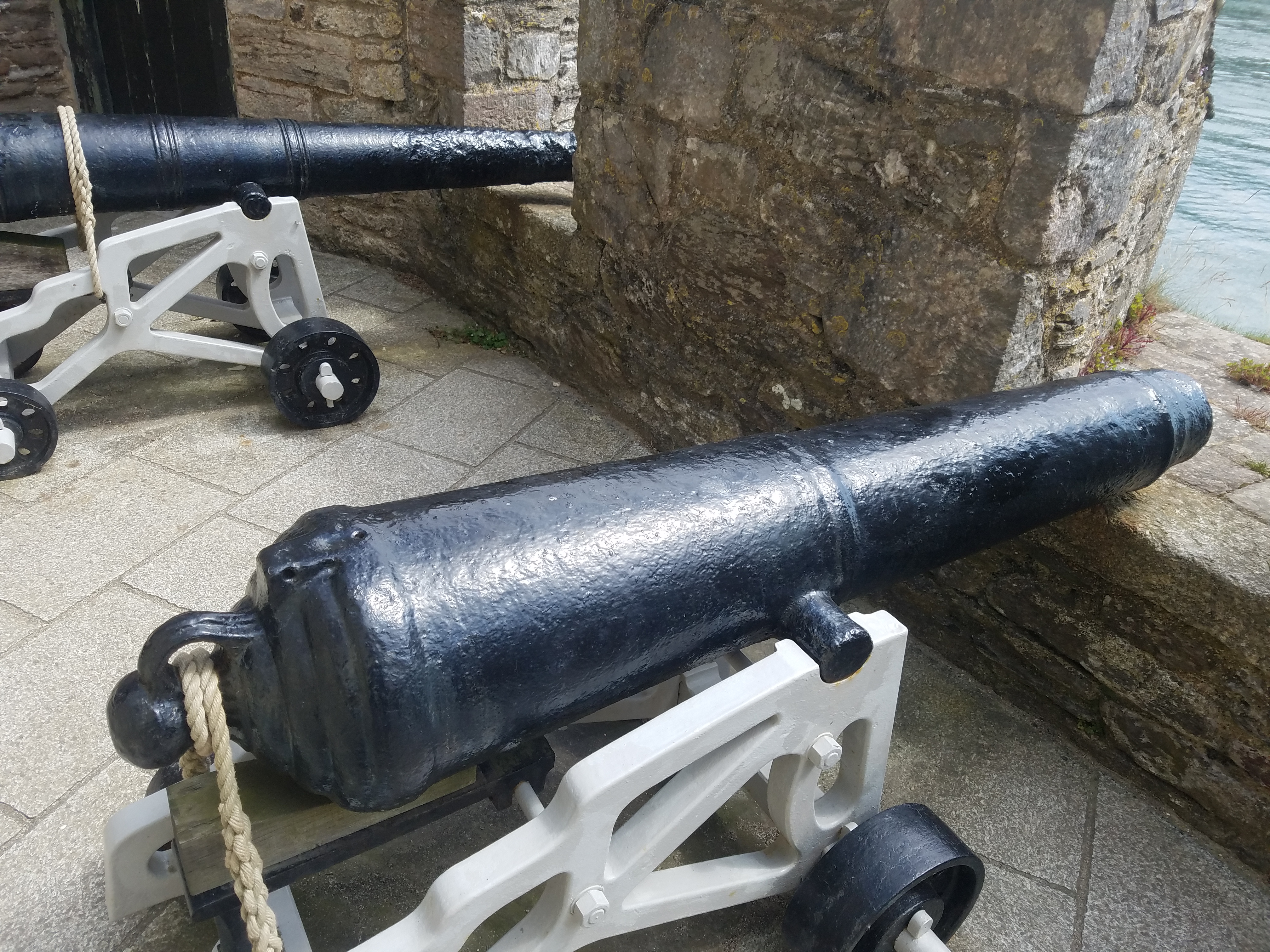
Cannons in Dartmouth Castle
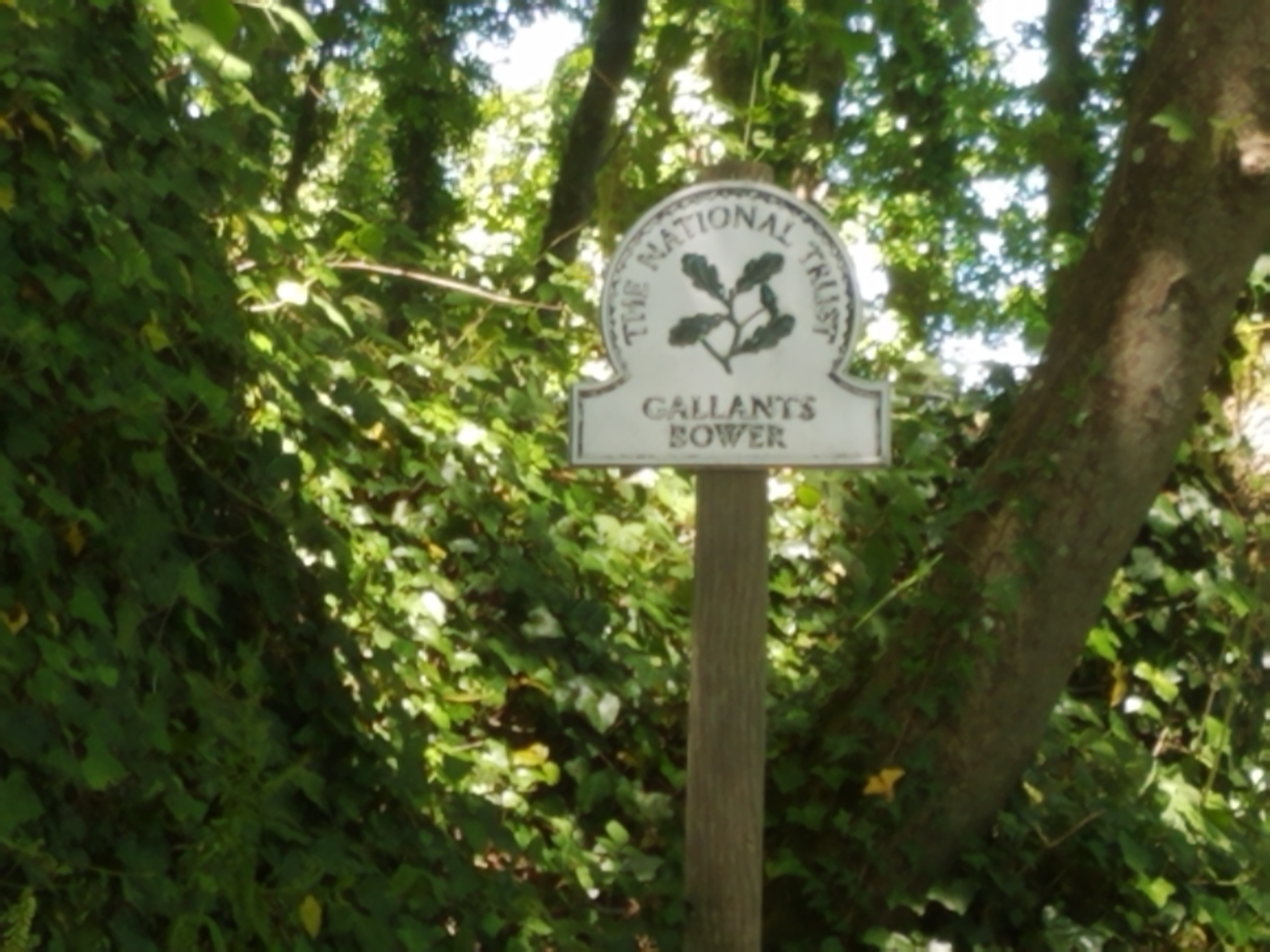
View on Gallants Bower
Gallants Bower near Dartmouth Castle
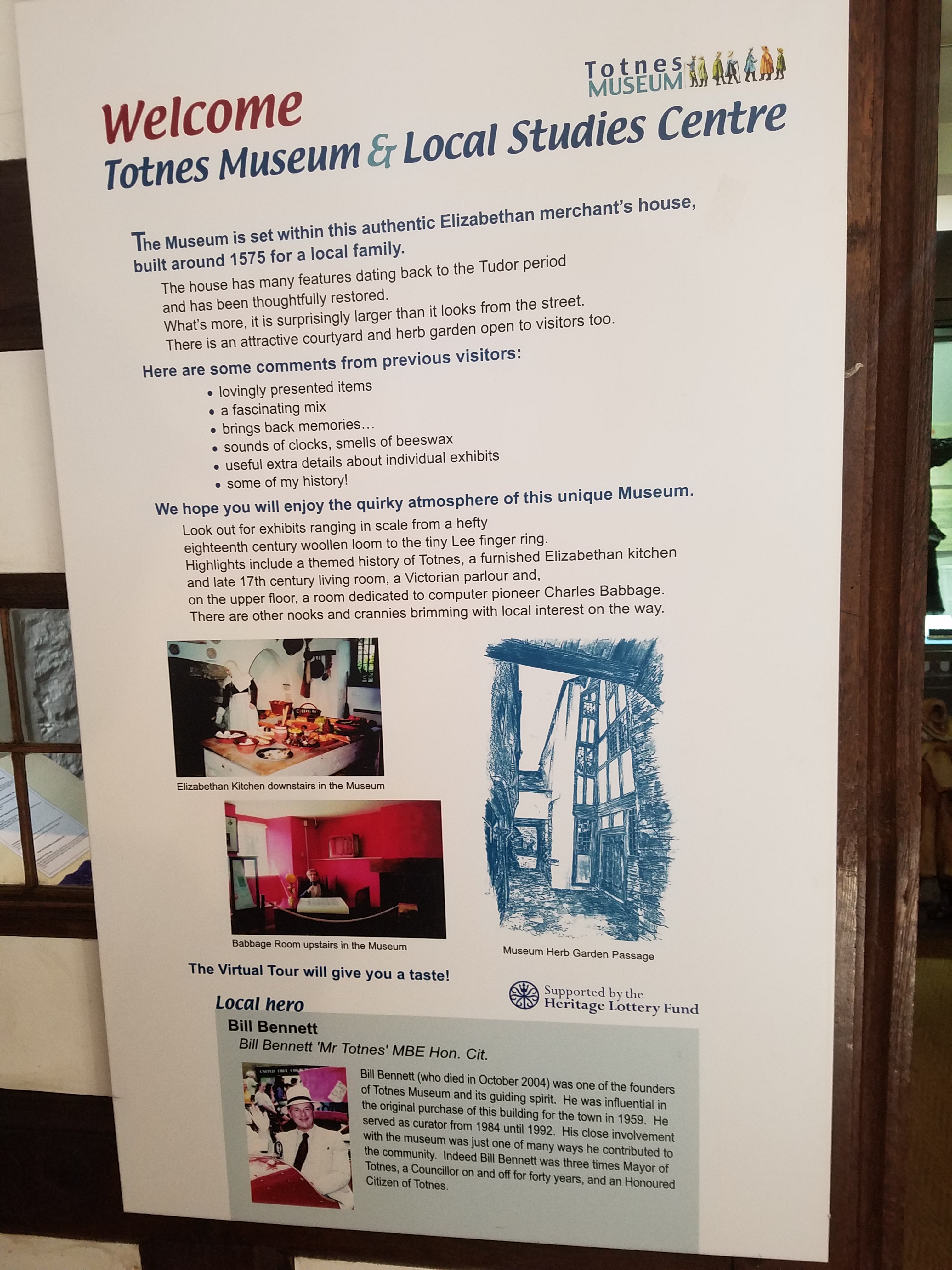
Totnes Museum
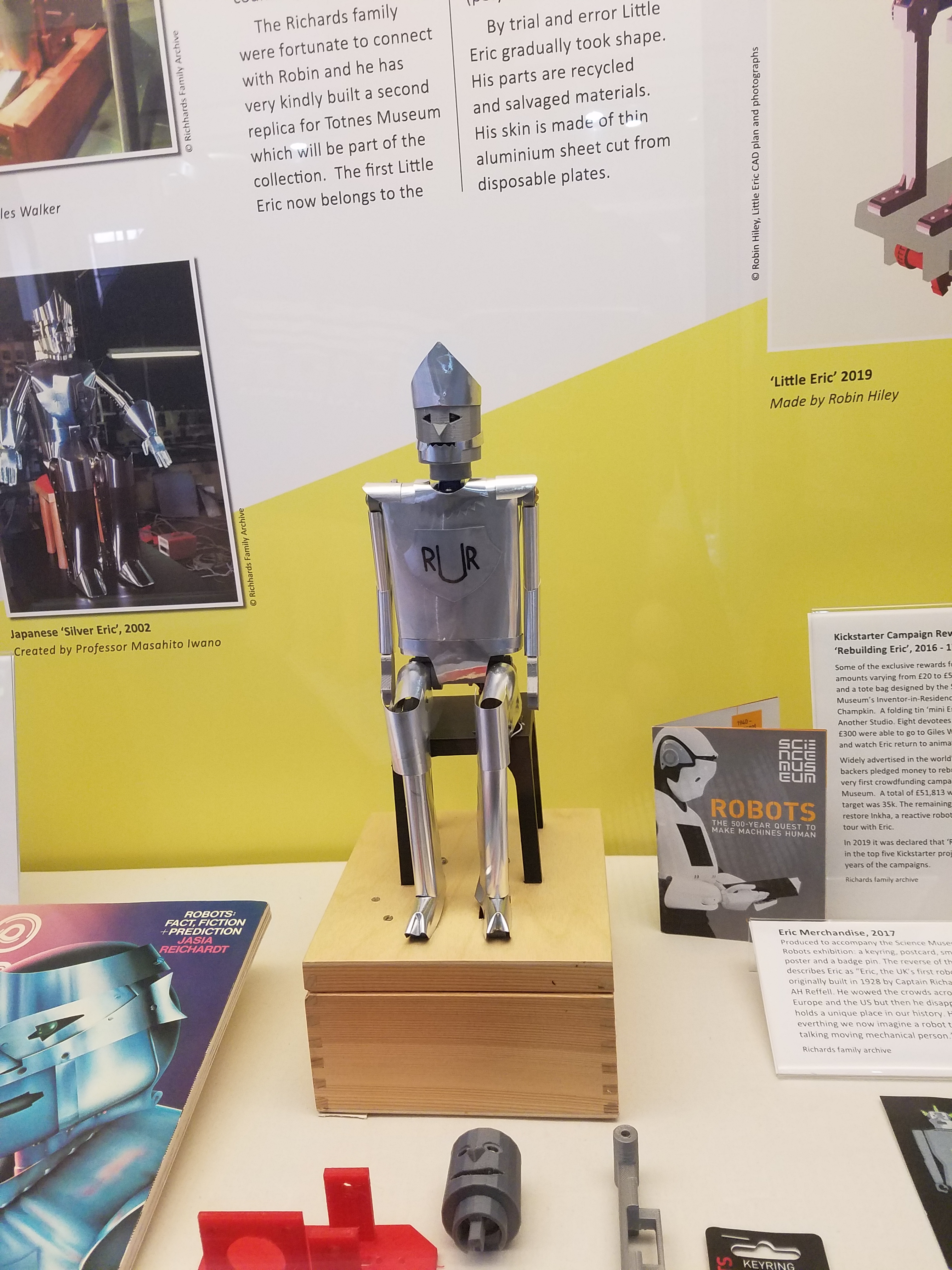
Exhibit of a talking man-“Little Eric”, designed in Totnes in the Totnes Museum
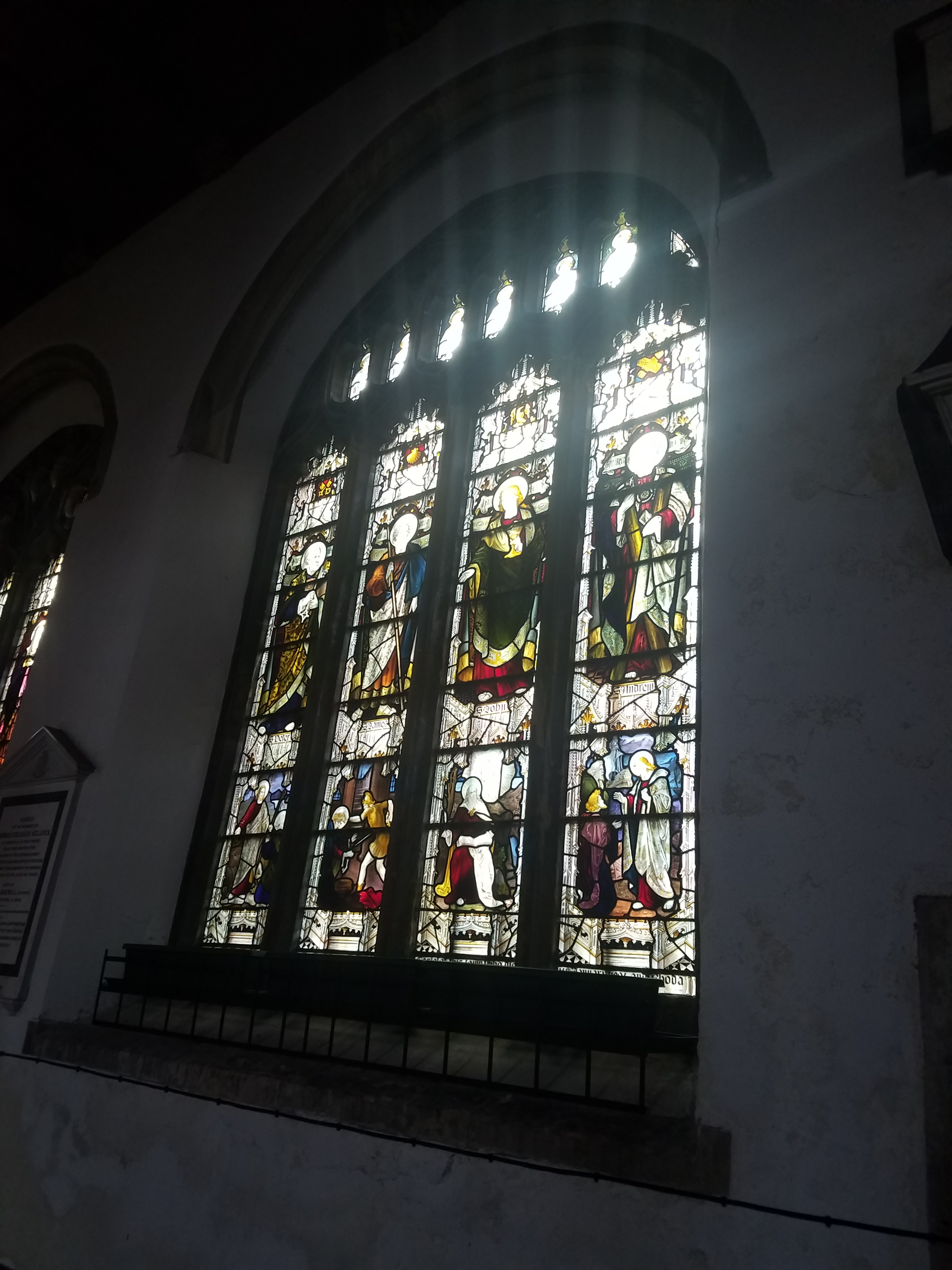
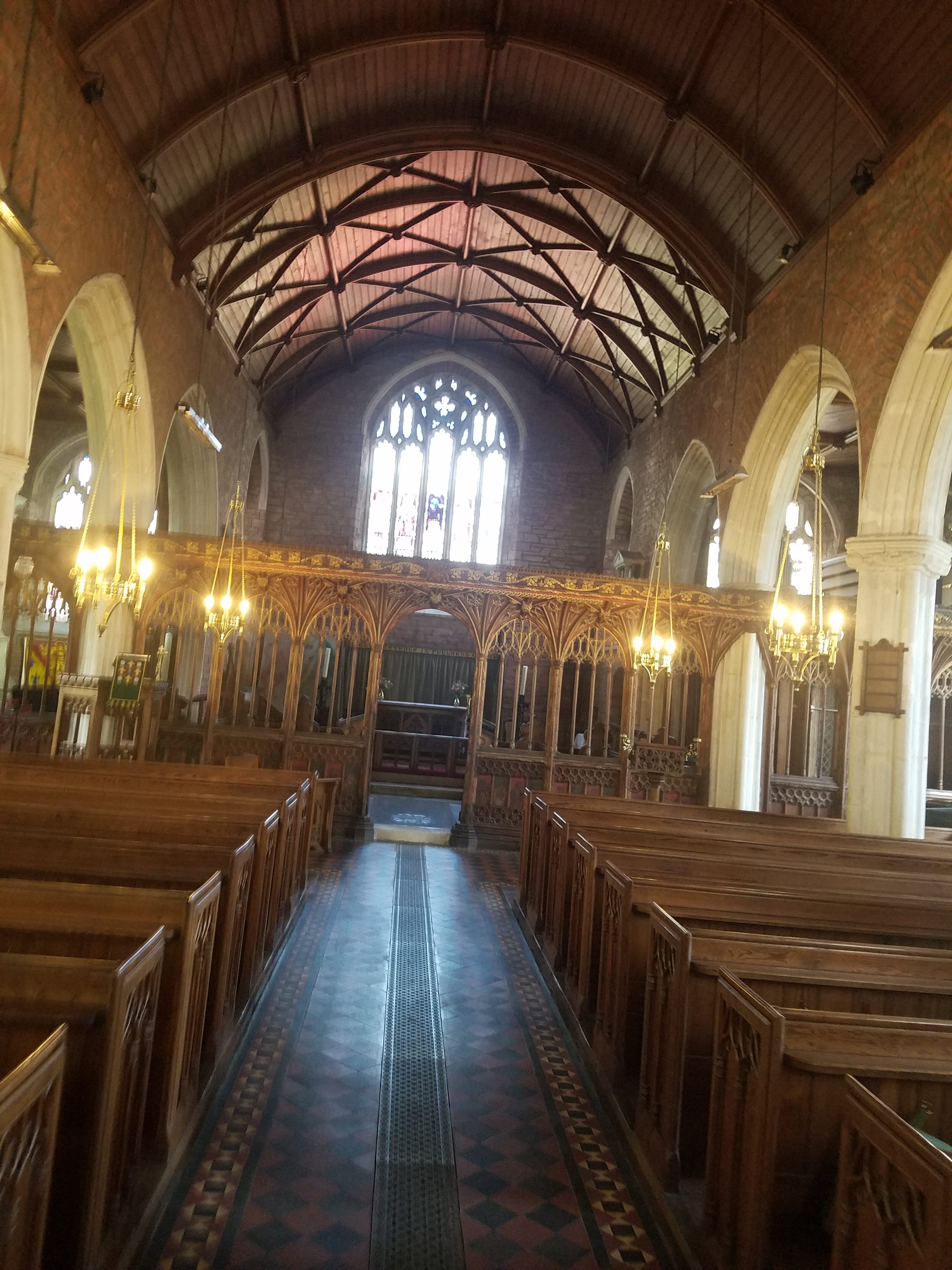
Inside St. Mary’s Church in Totnes
St Mary’s Church in Totnes
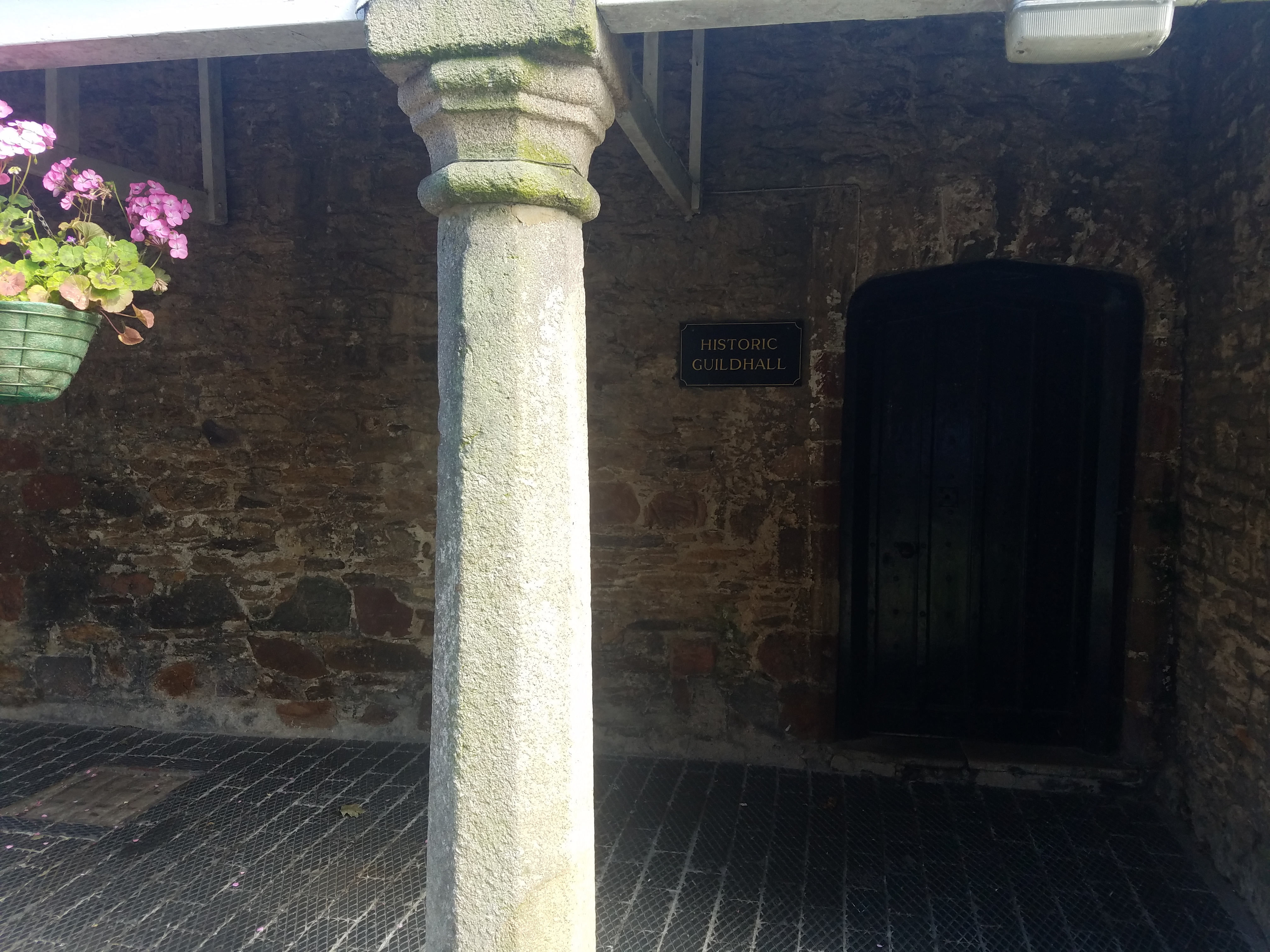
Totnes Guild Hall
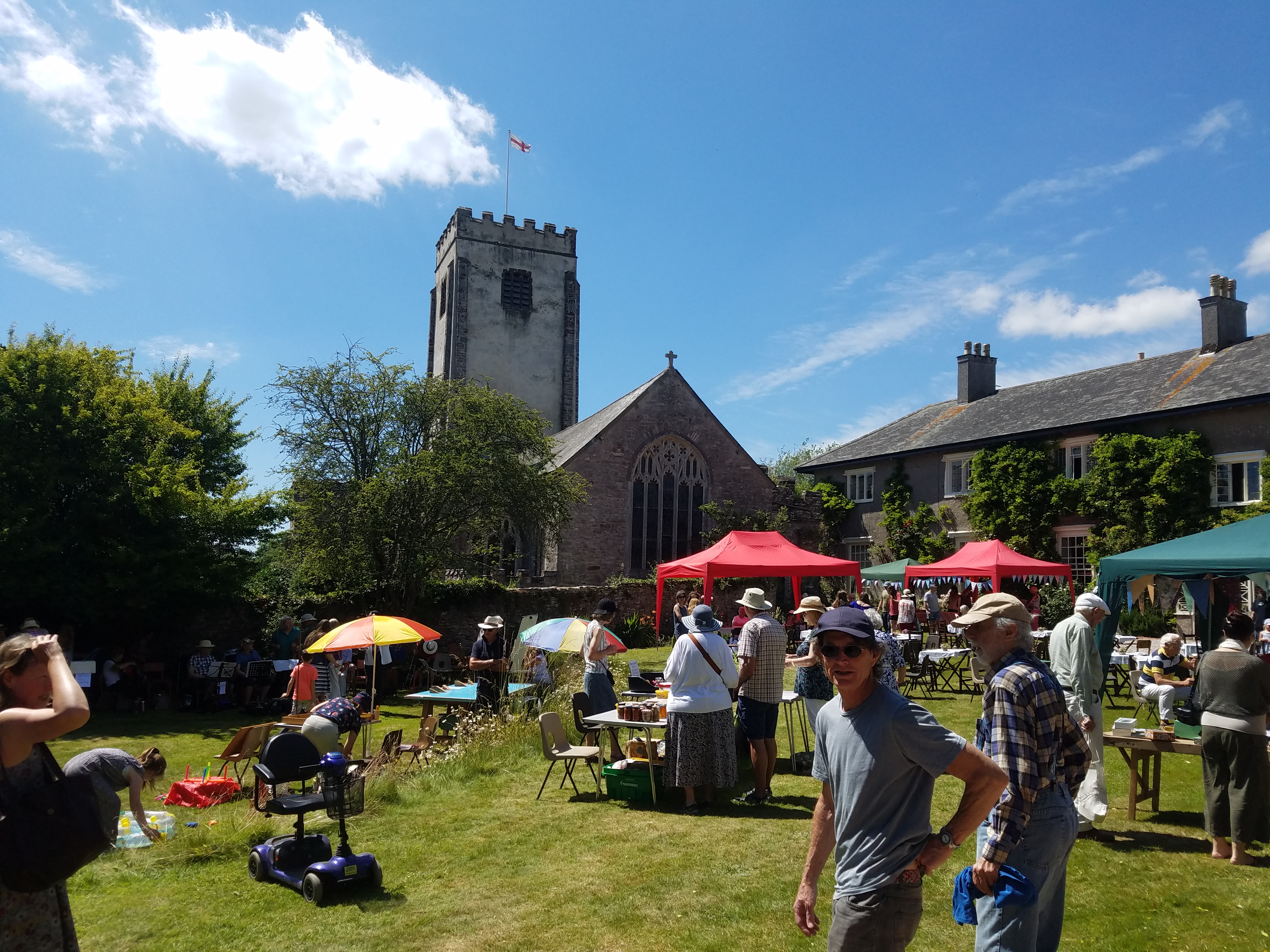
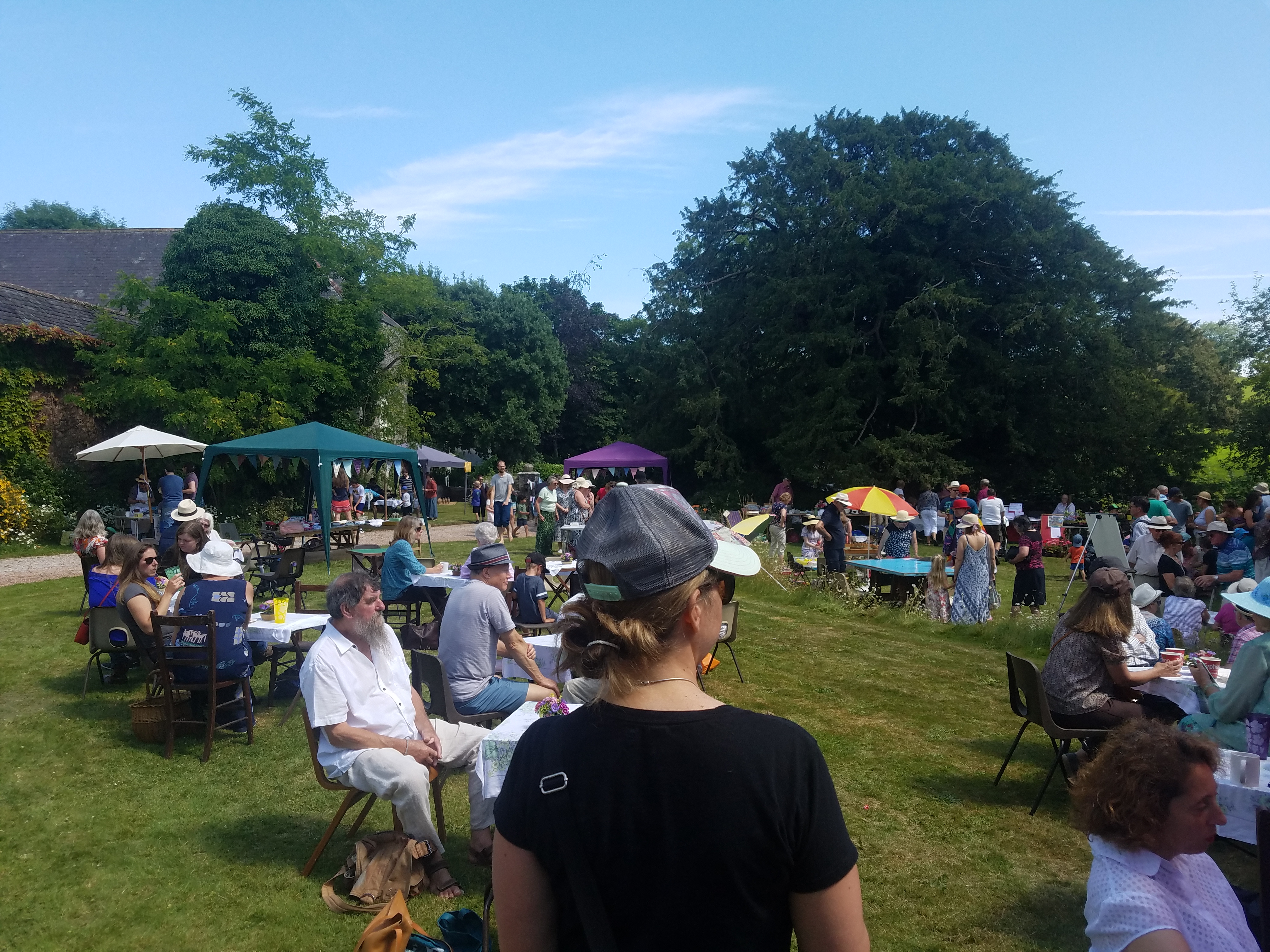
Berry Pomeroy Fete
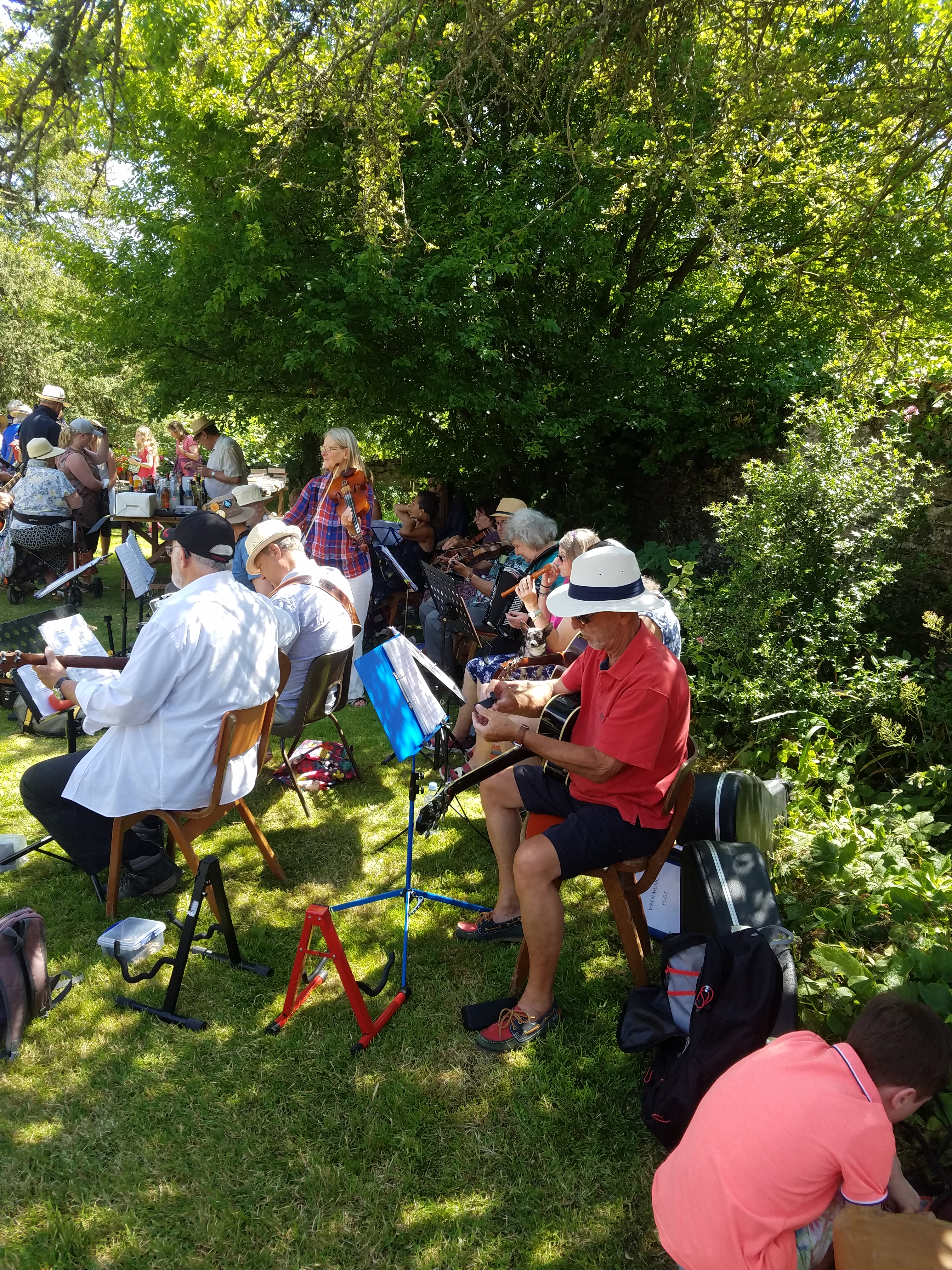
View of the entire Berry Pomeroy Fete
Berry Pomeroy Fete Band
Berry Pomeroy Cathedral
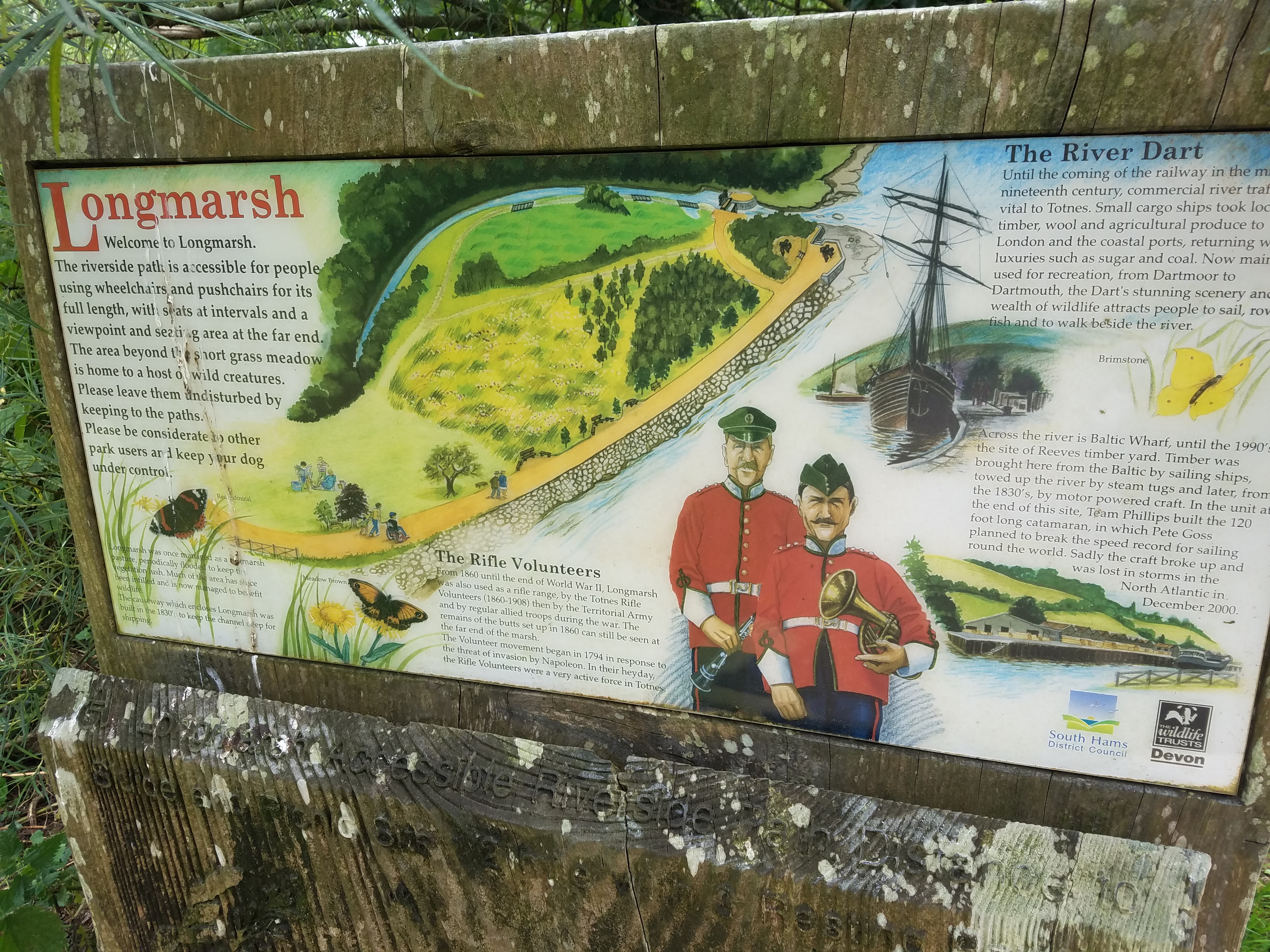
The marsh next to the river Dart in downtown Totnes

St. Chapelle, Concergerie and Eiffel Tower

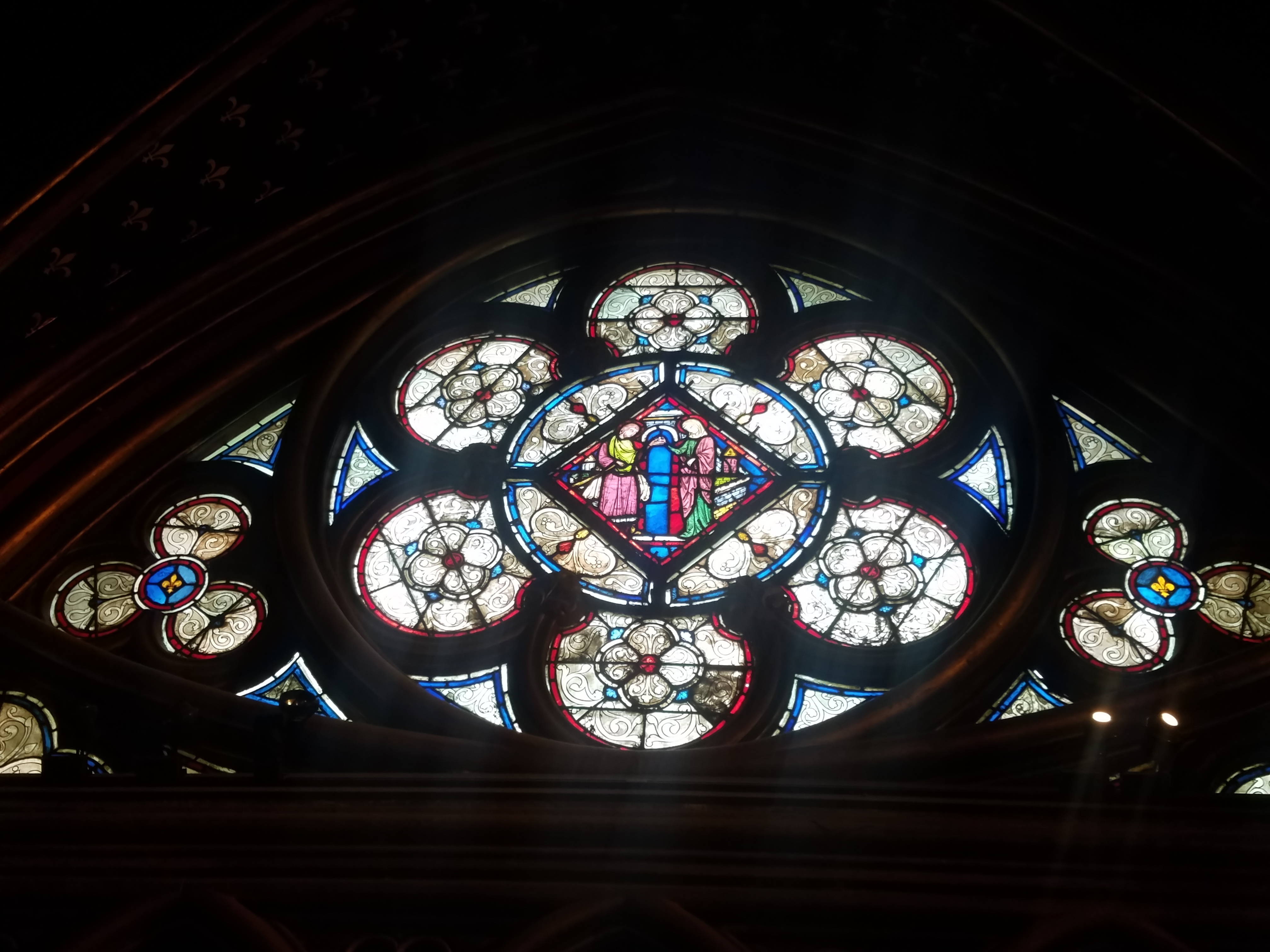
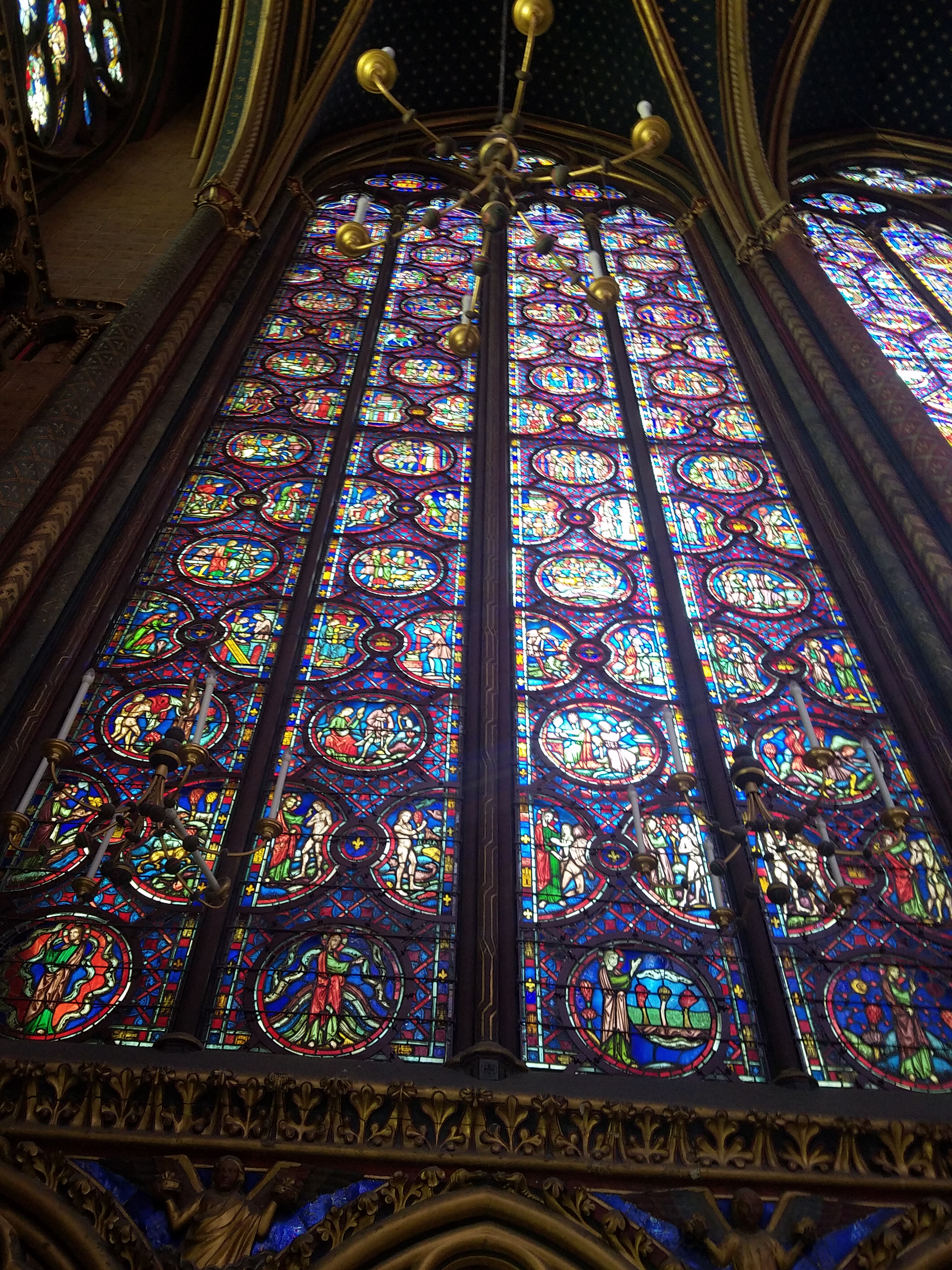
A St. Chapelle Circular stain glass window
inside St. Chapelle where they housed special items, on the first floor.
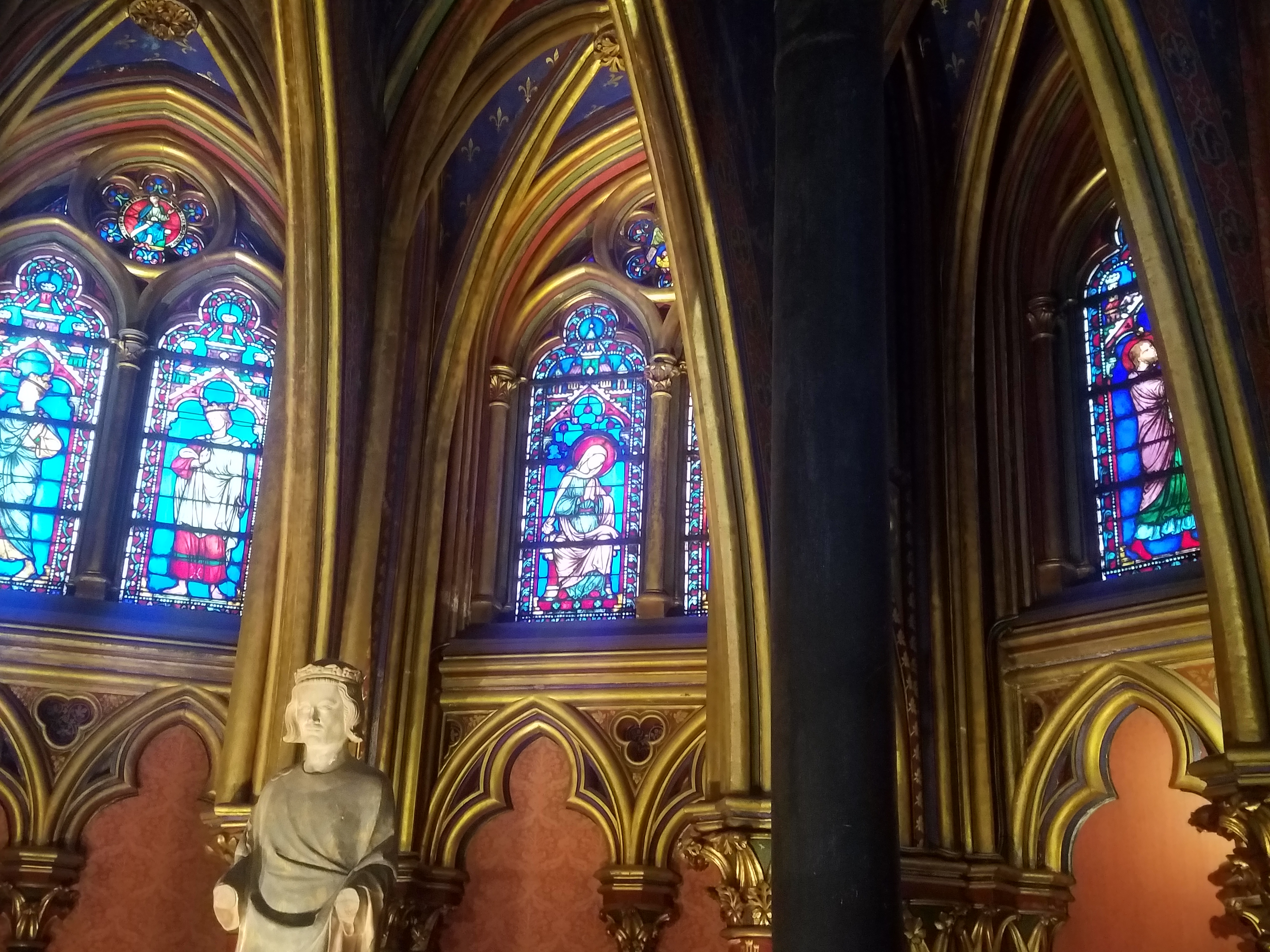
One window Pain from St. Chapelle on the second floor
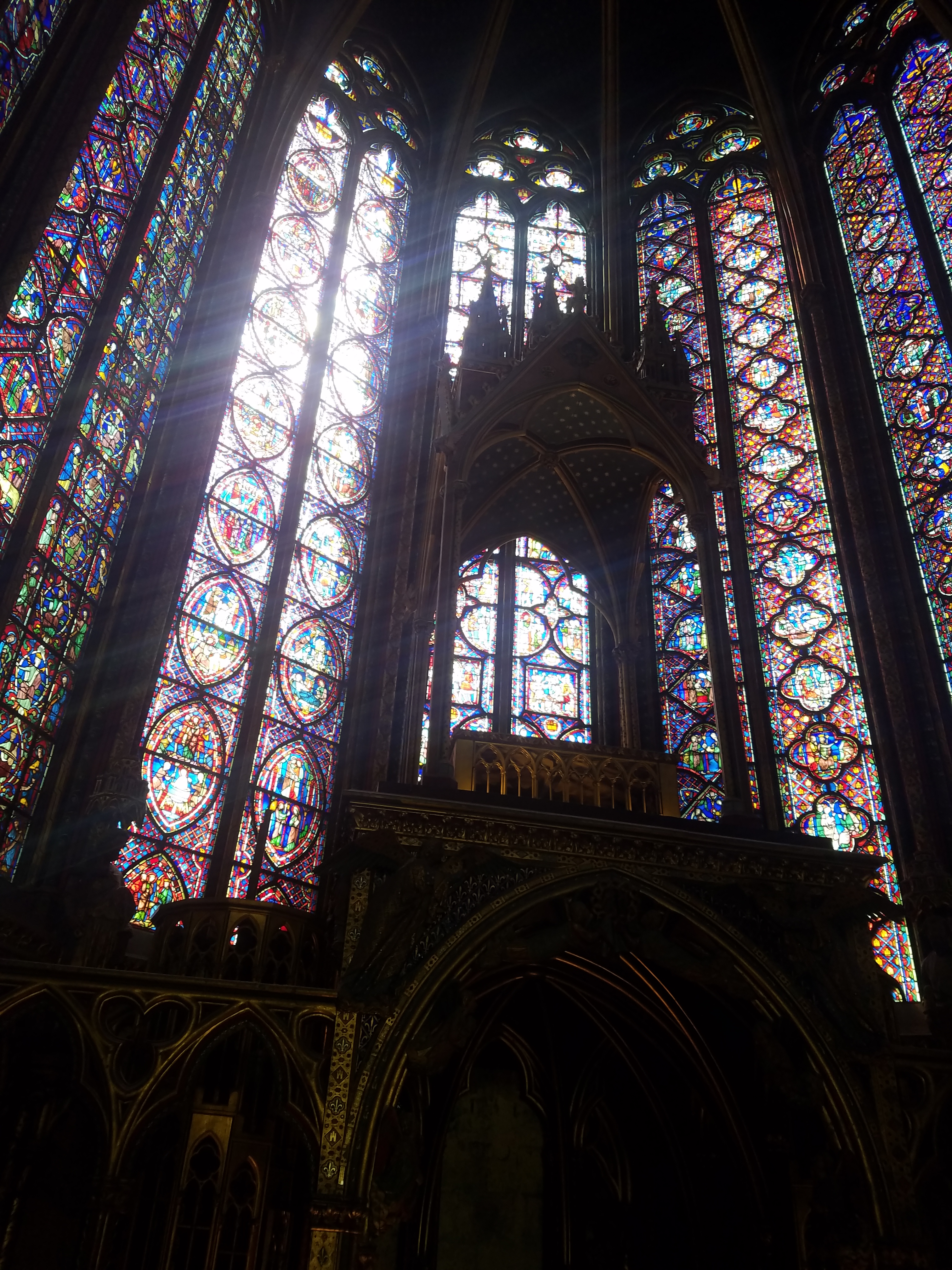
Place where a special item was located on the second floor, St. Chapelle
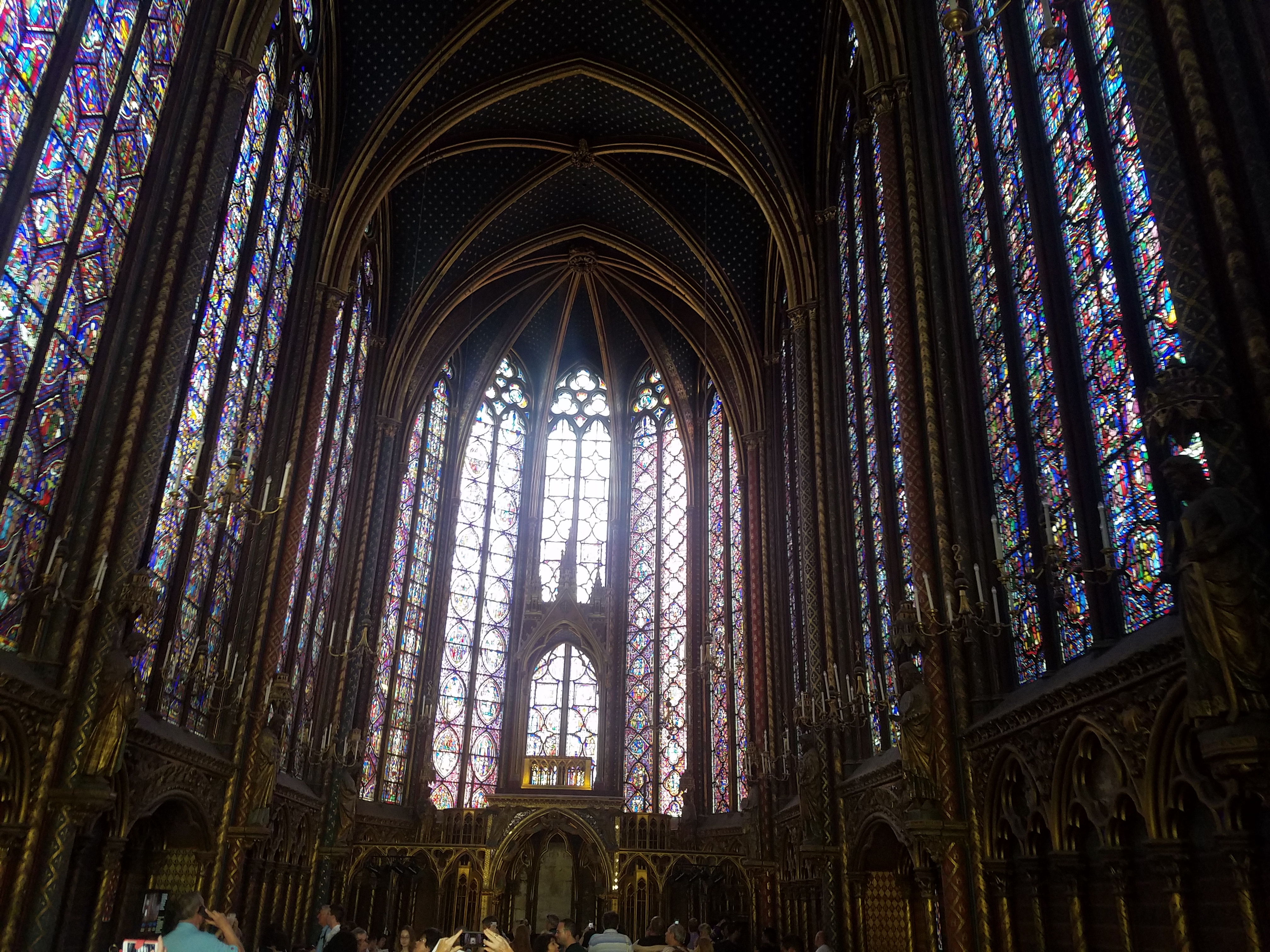
View of entire second floor in St. Chapelle
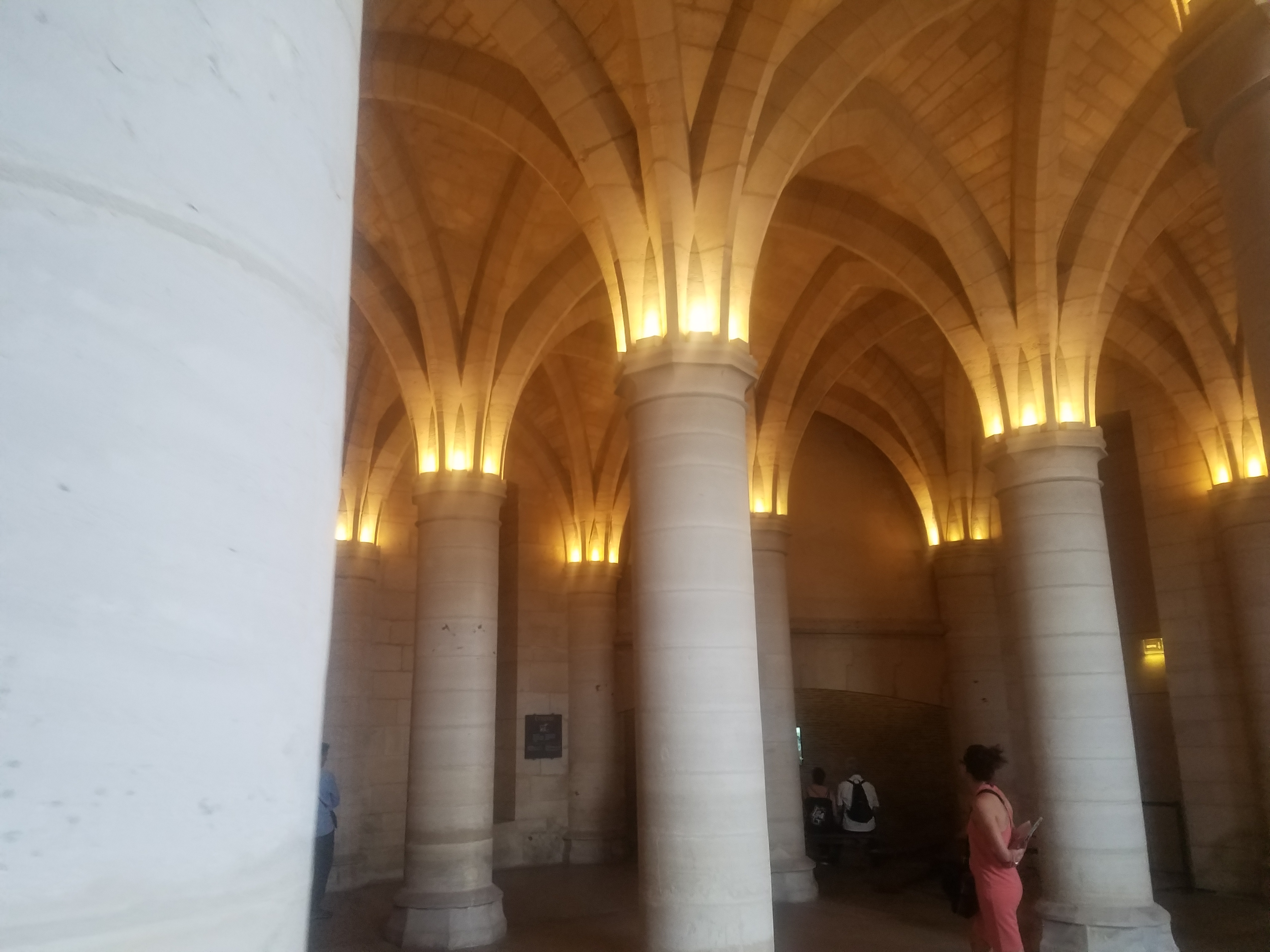
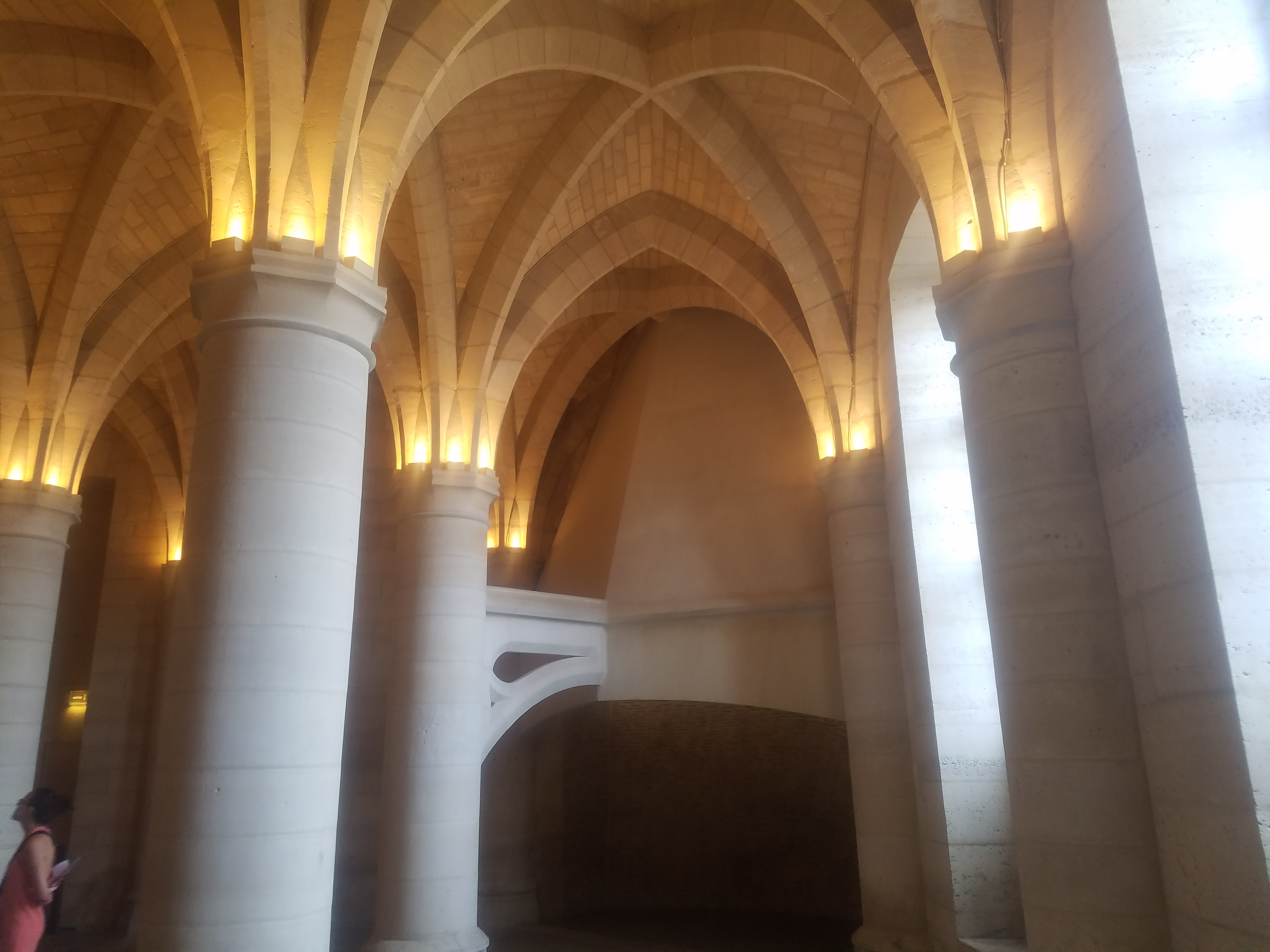
Concergerie, main hall
Concergerie
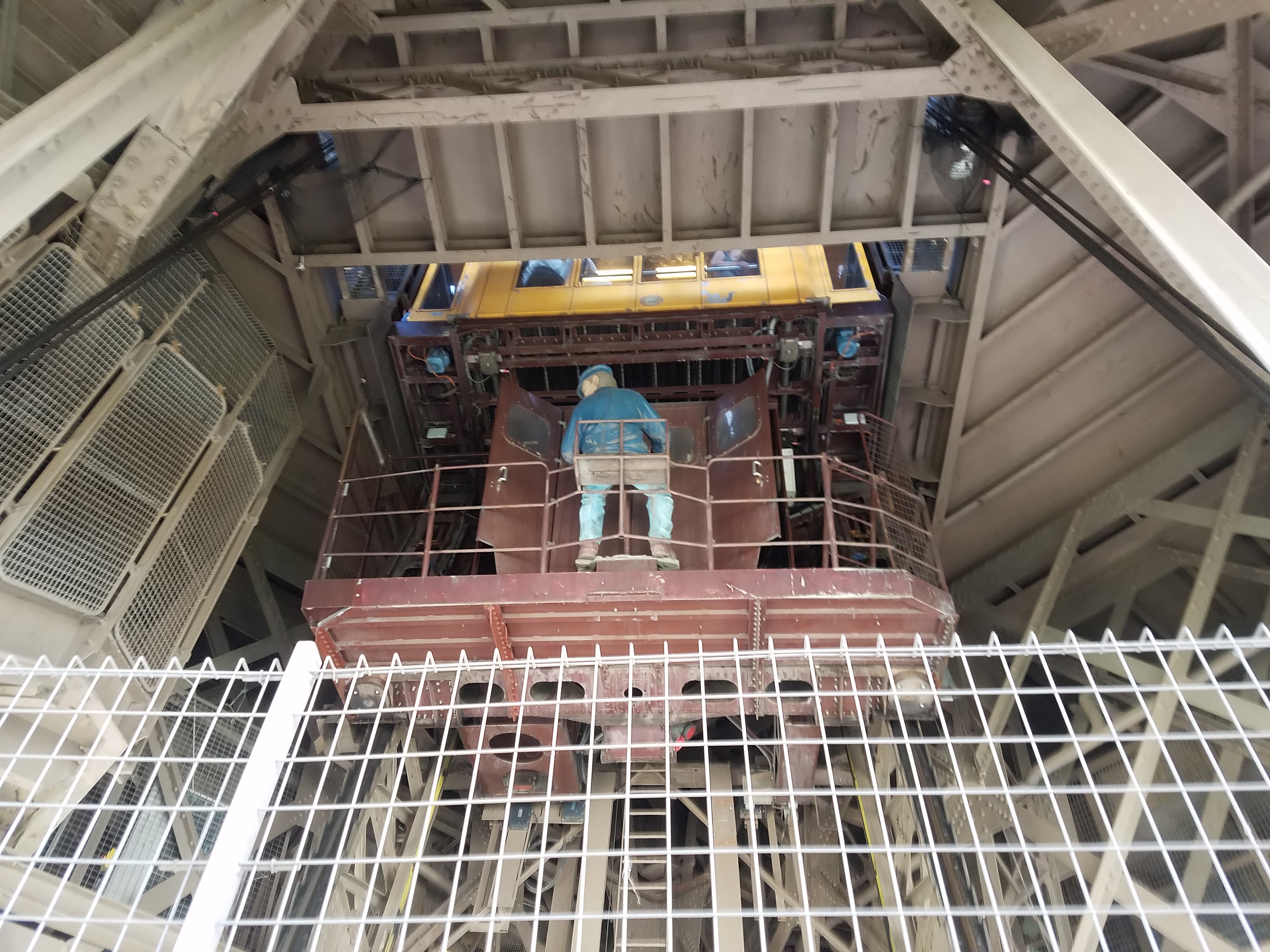
Museum Exhibit on the lift up to the summit on the Eiffel Tower
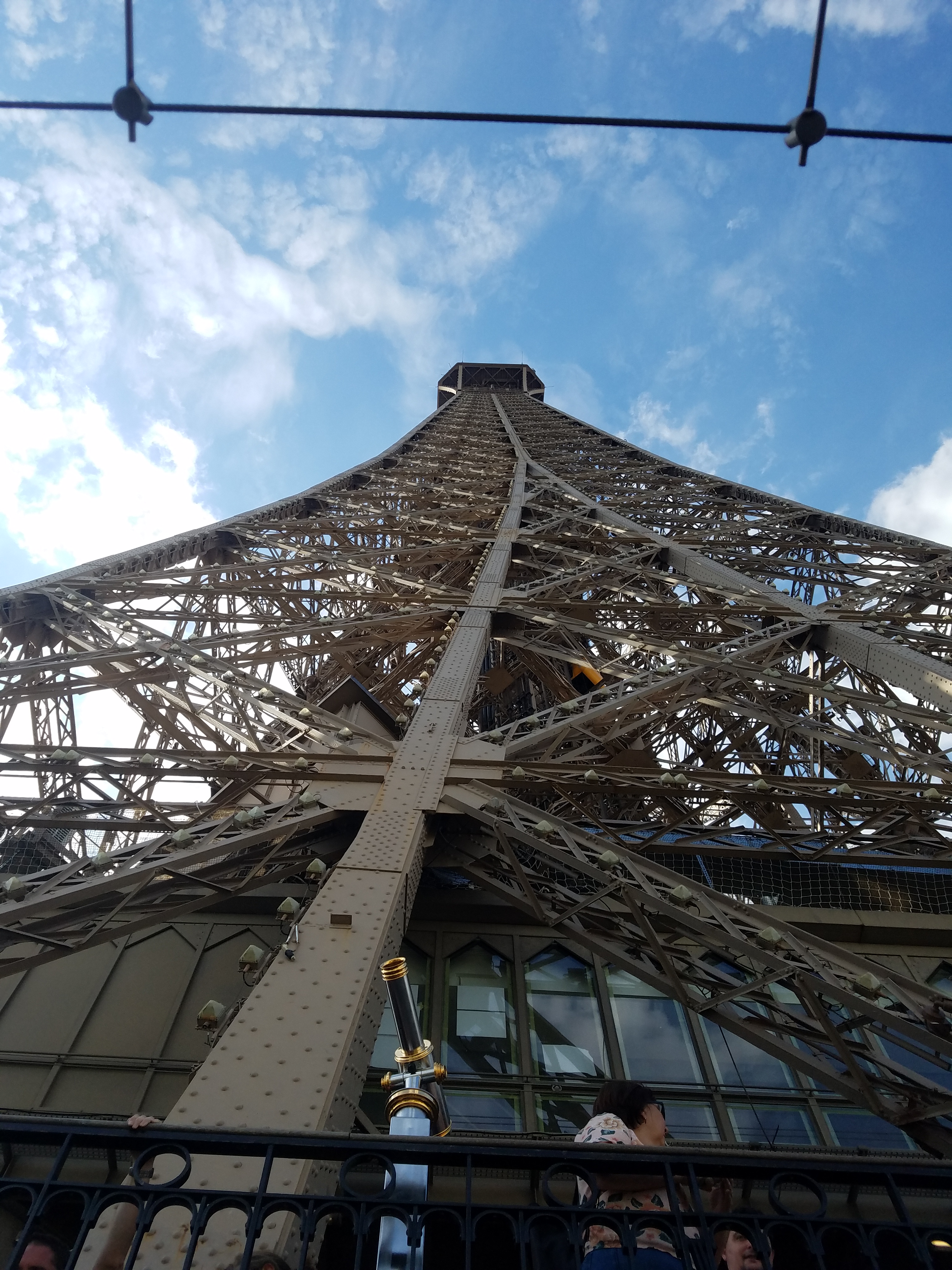
View from the first floor up on the Eiffel Tower
View of the Eiffel Tower from the second level
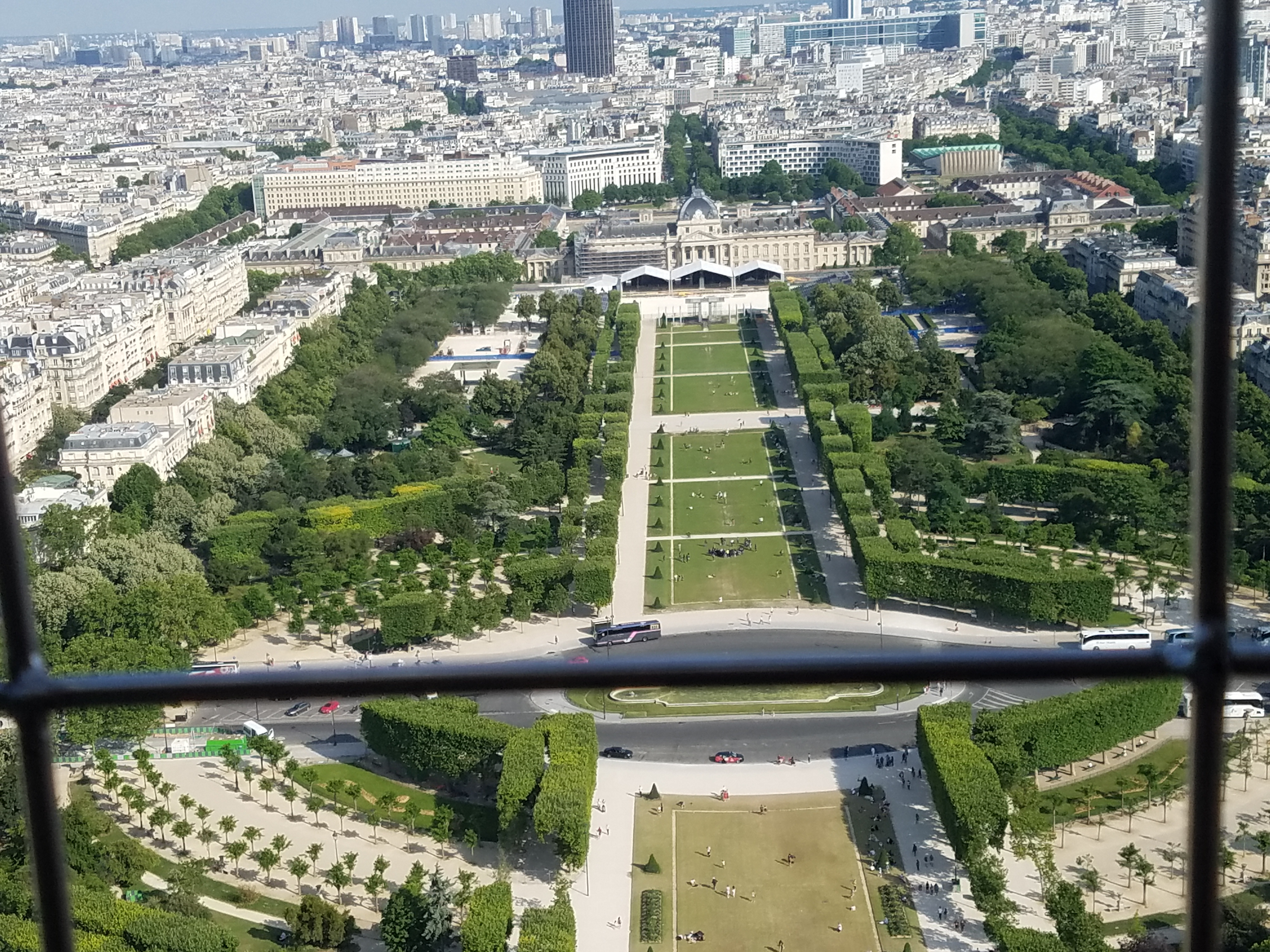
View from the Summit of the Eiffel Tower to the pavilion below
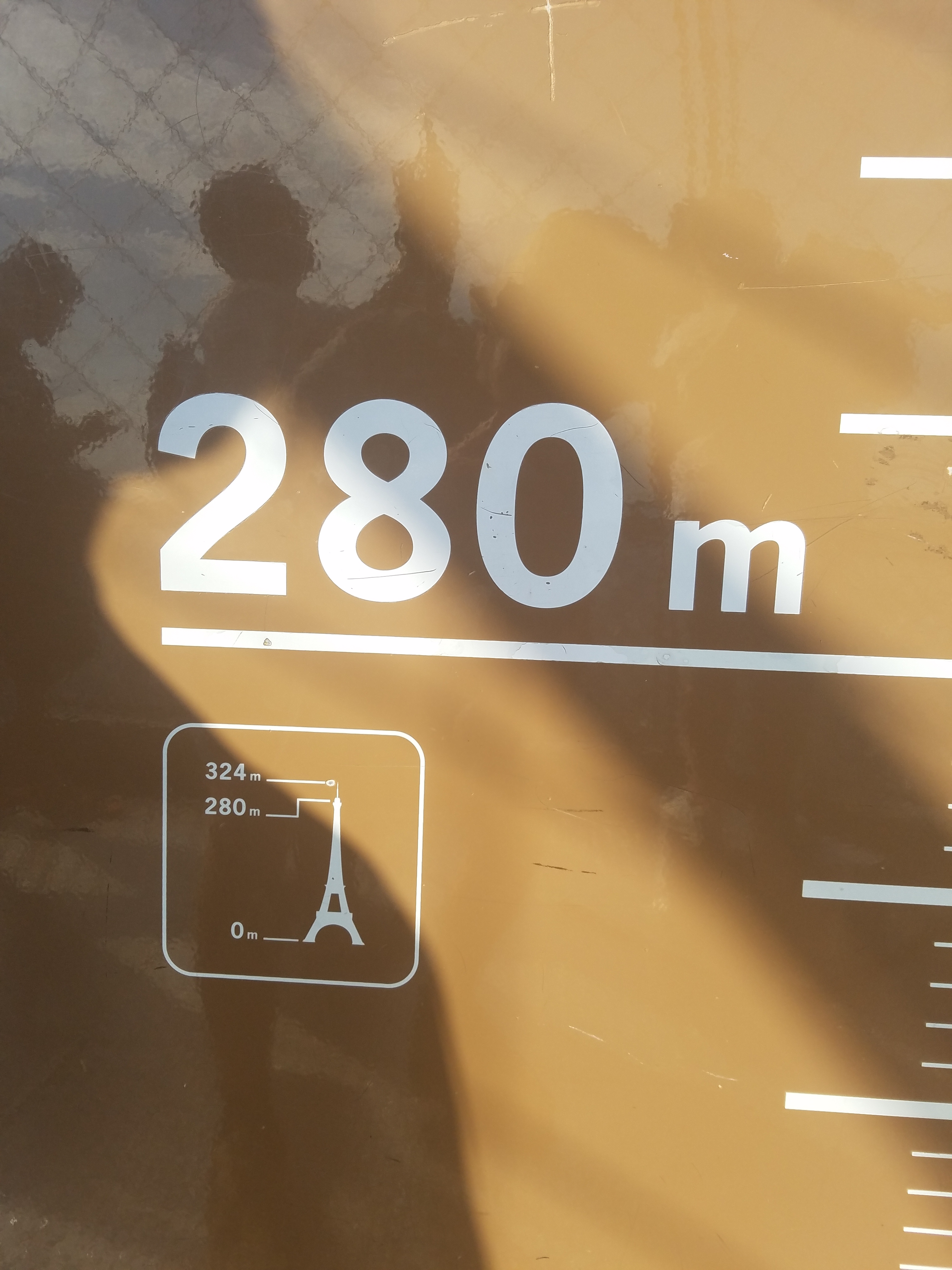
Sign showing how high we were on the summit of the Eiffel Tower
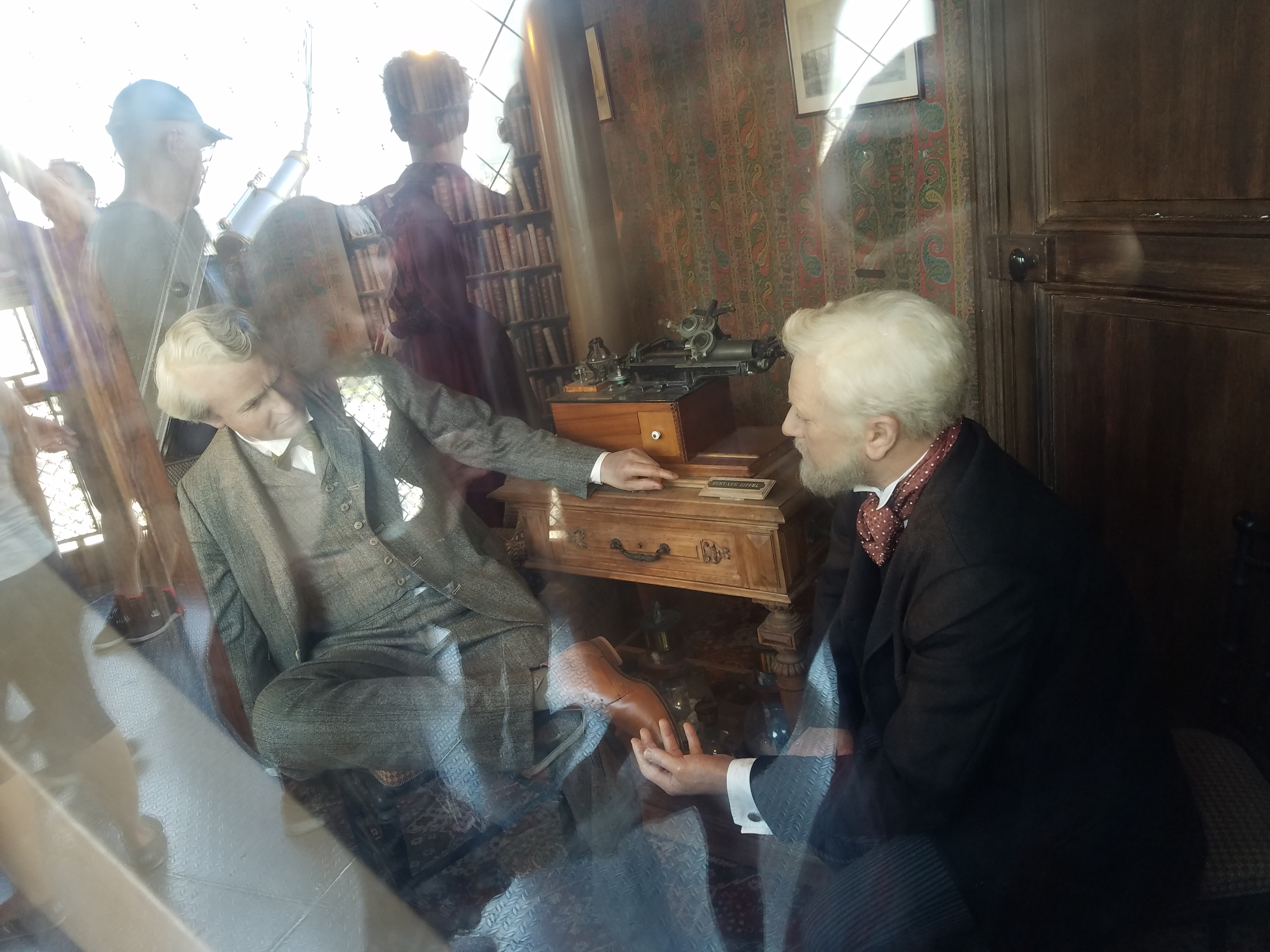
On the summit of Eiffel Tower, Mr. Eiffel had an office.
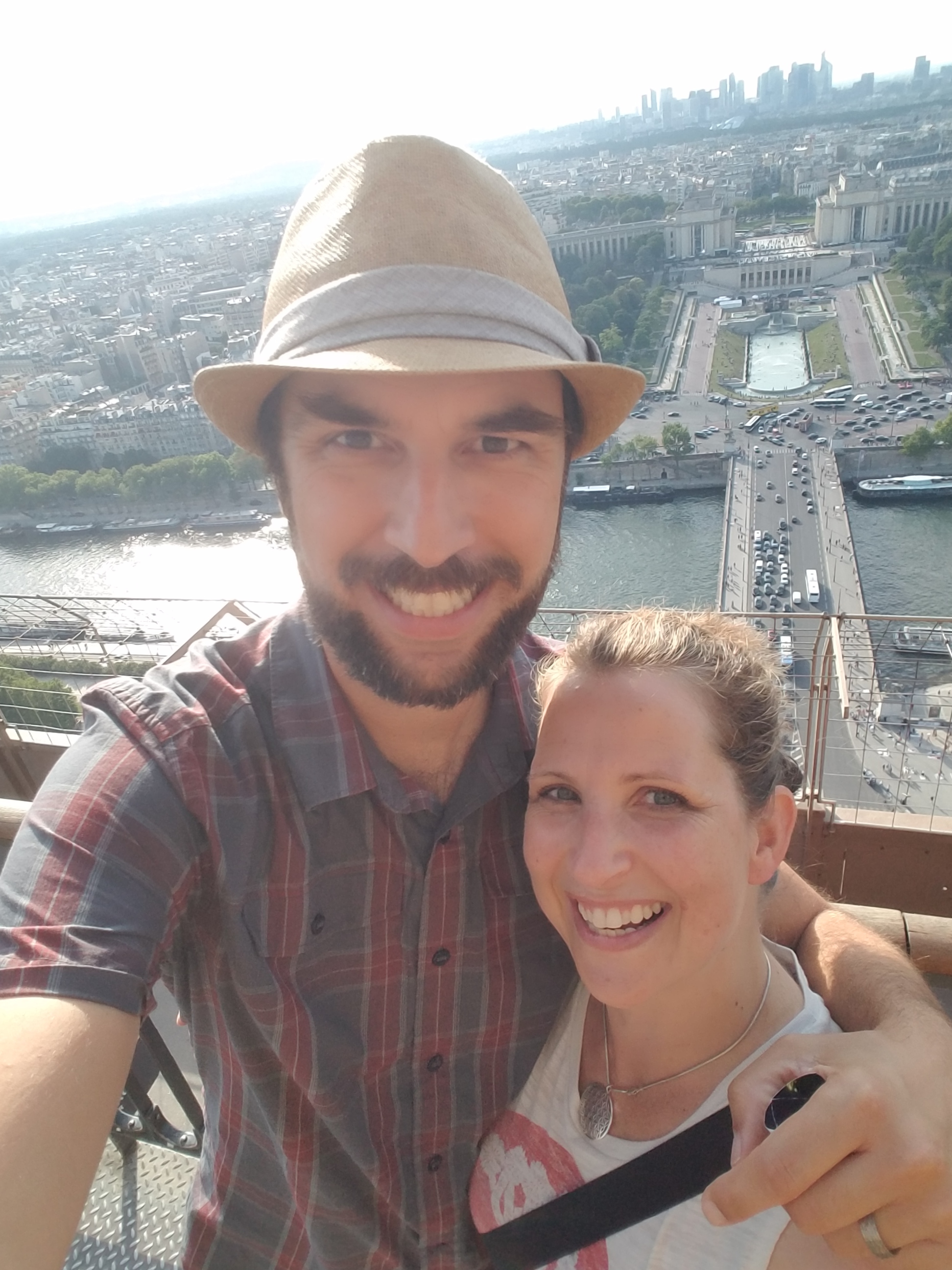
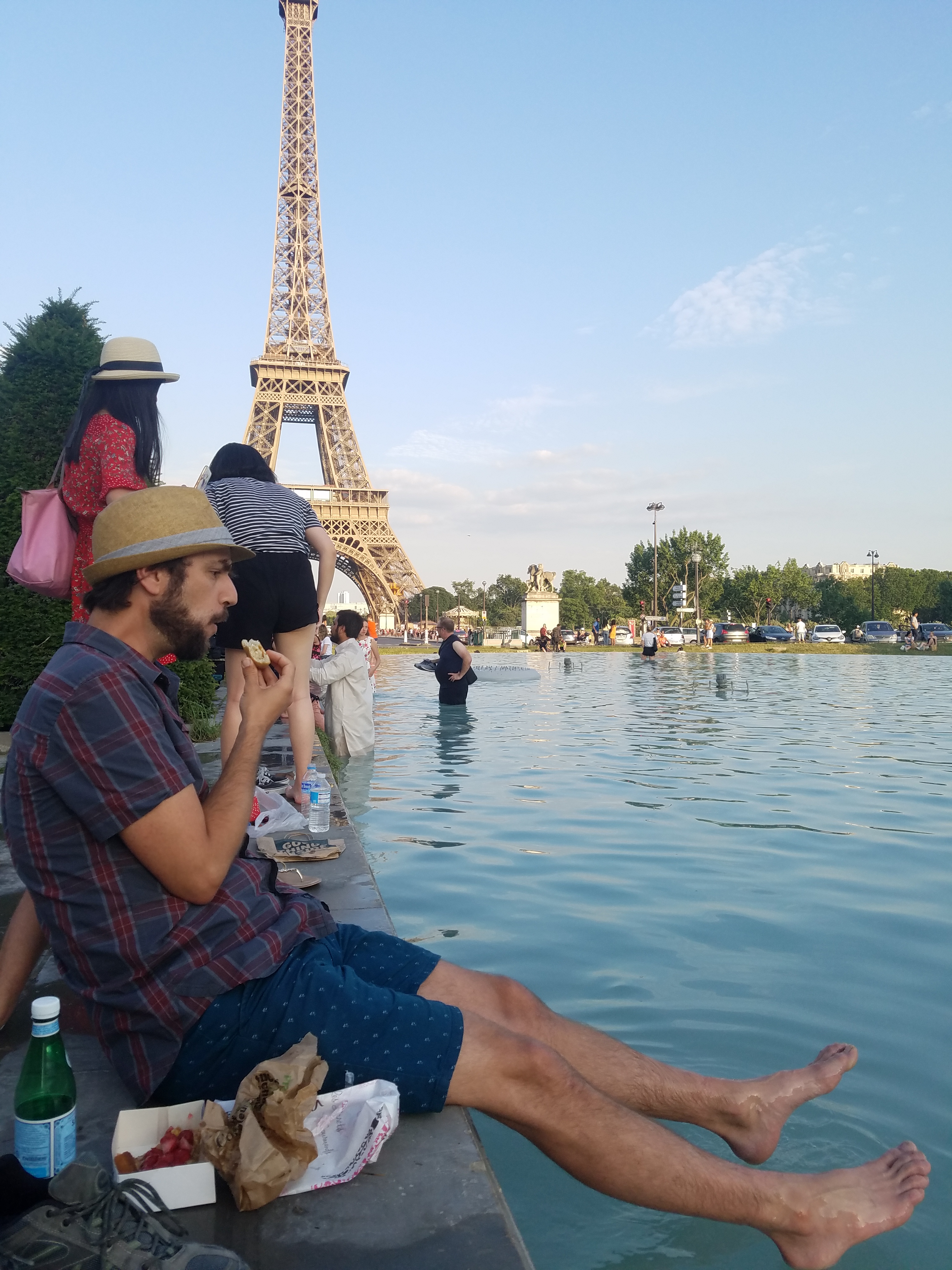
On the Eiffel Tower summit, view of the Trocadero where we went next to eat and get some relief from the heat in the fountain.
Soaking our feet in the Trocadero’s fountain after traveling to the summit of the Eiffel Tower.

Paris Walk and Water Ferry

When we arrived in Paris, the Air BNB place we booked did not exist. We did not have cell phone service nor did we have any charge on our phones to use any wireless service. We walked around Paris in the St. Germain area and found a place to stay for the night. First we walked to the Jardin De Luxembourg and enjoyed the many different types of gardens in the area. There were over a thousand people in the park eating and drinking as it was about 90 Degrees out. There were sections of families, and younger singles partying with their friends. Some parts of the park had concerts happening; there was a woodwind concert that we watched for about thirty minutes, and we sat in some chairs in the shade eating a sandwich. The Senate building was in the garden and had armed guards on the perimeter of the building. There were many fountains, and activities happening in the park; Pony rides for kids, tennis and Boche ball courts, and there was art work all around the manicured trees and plants. We spent about three hours in the park.

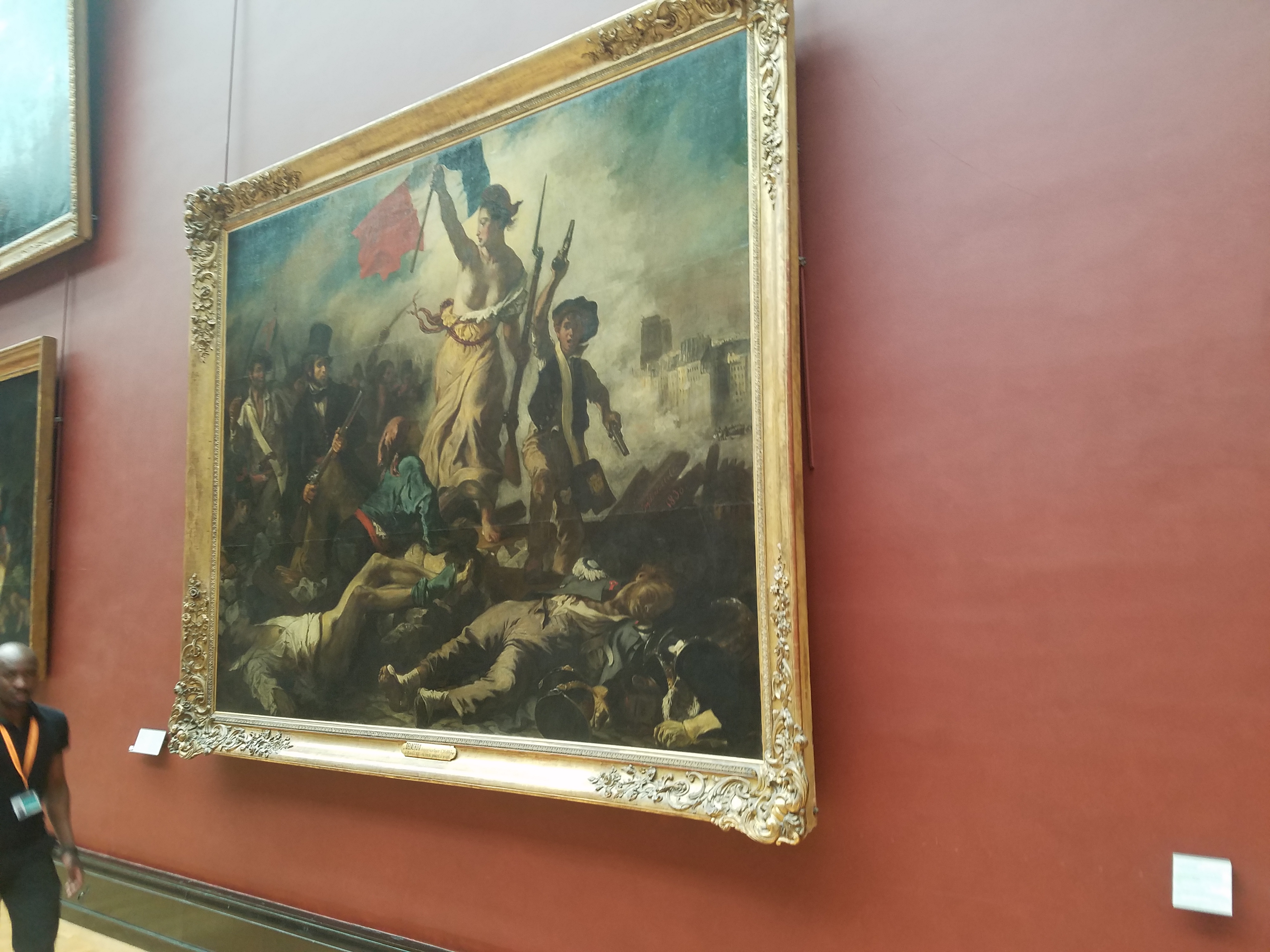
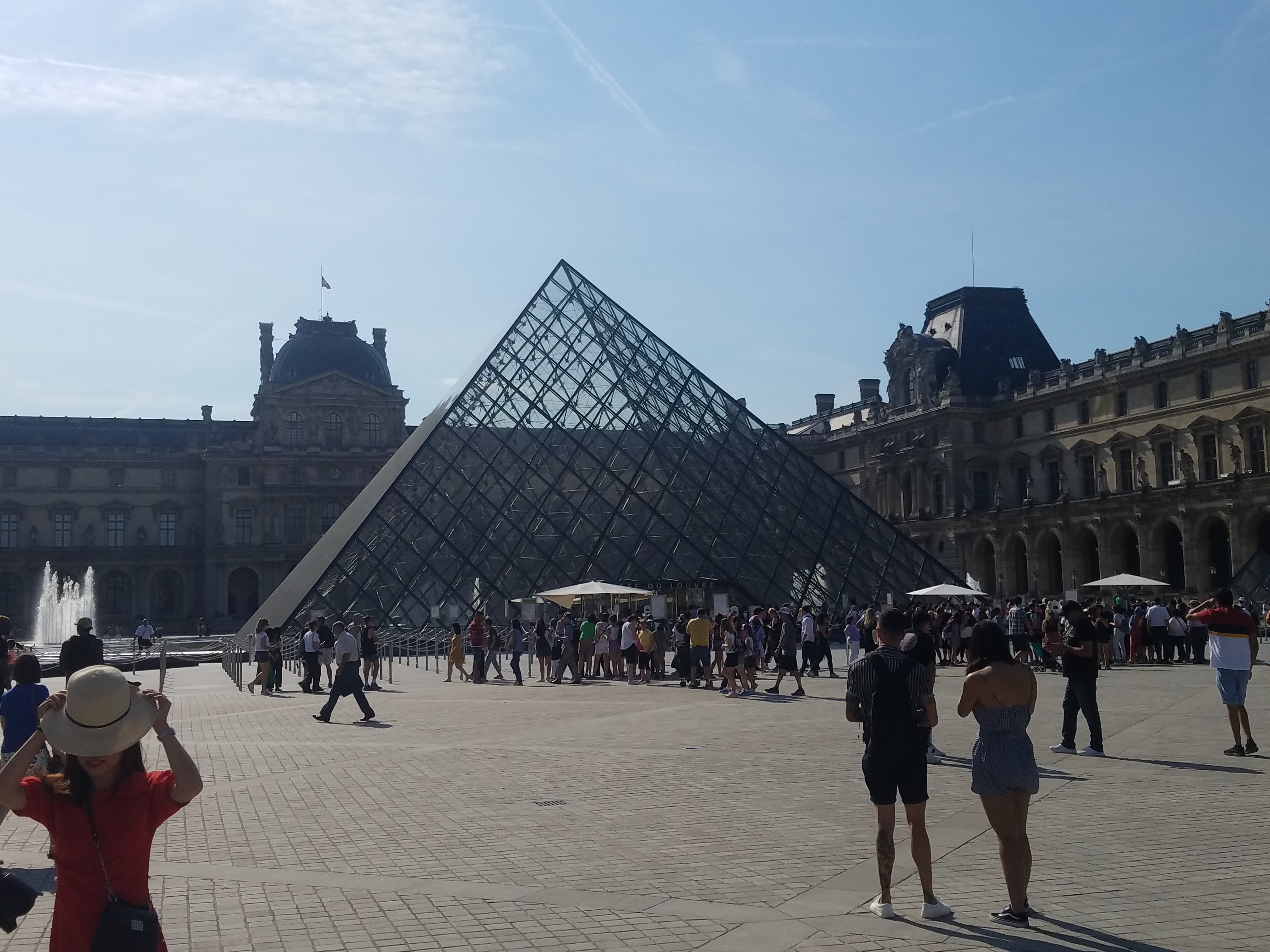
You can only buy tickets online for the Louvre, and it is closed on Tuesdays

On Monday Morning we took a cab to the Louvre first thing in the morning, and we learned that you can only buy tickets online for the Louvre, and they were sold out for the day; they were also closed the following day on Tuesday.

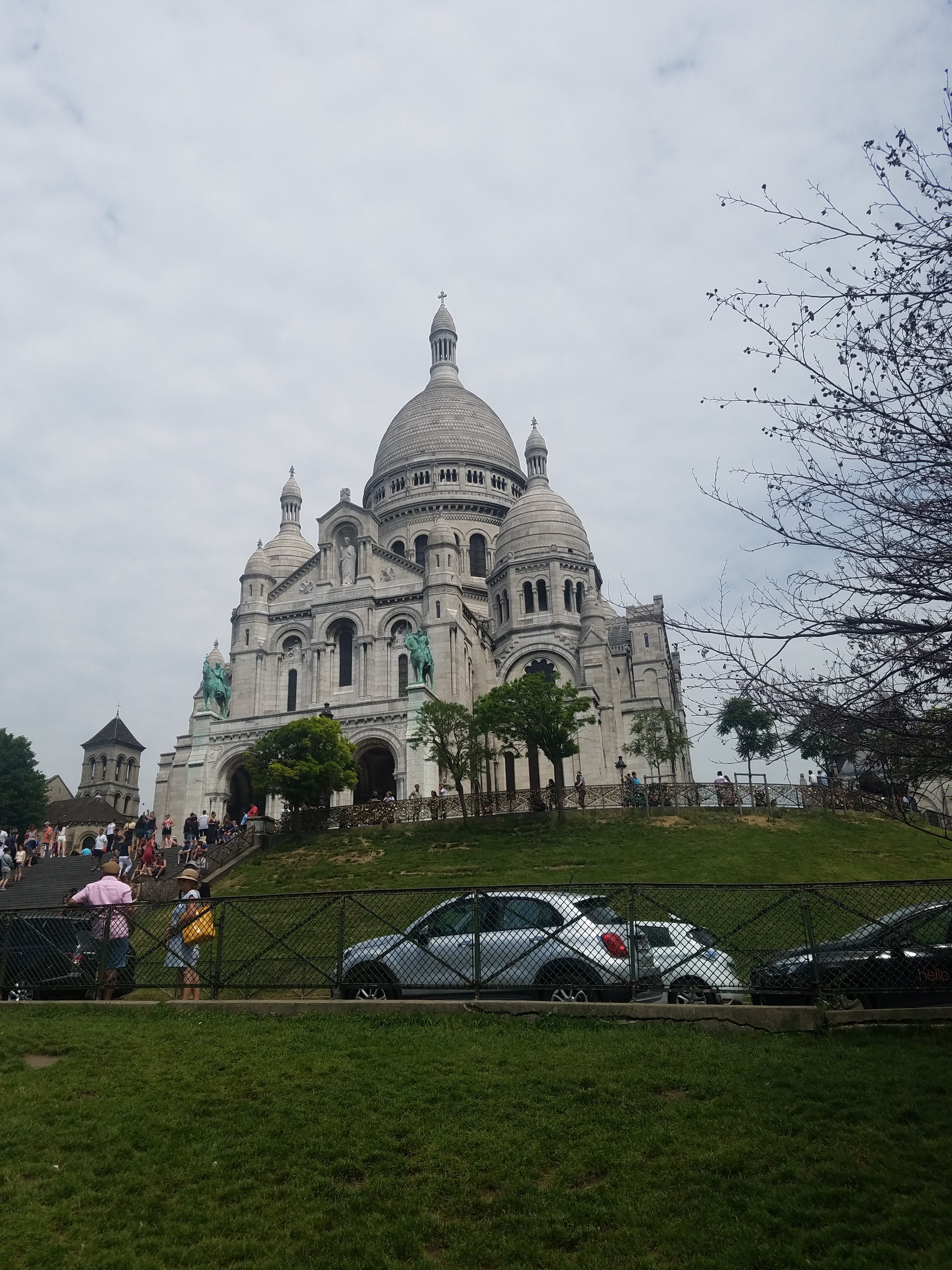
Scare Coeur

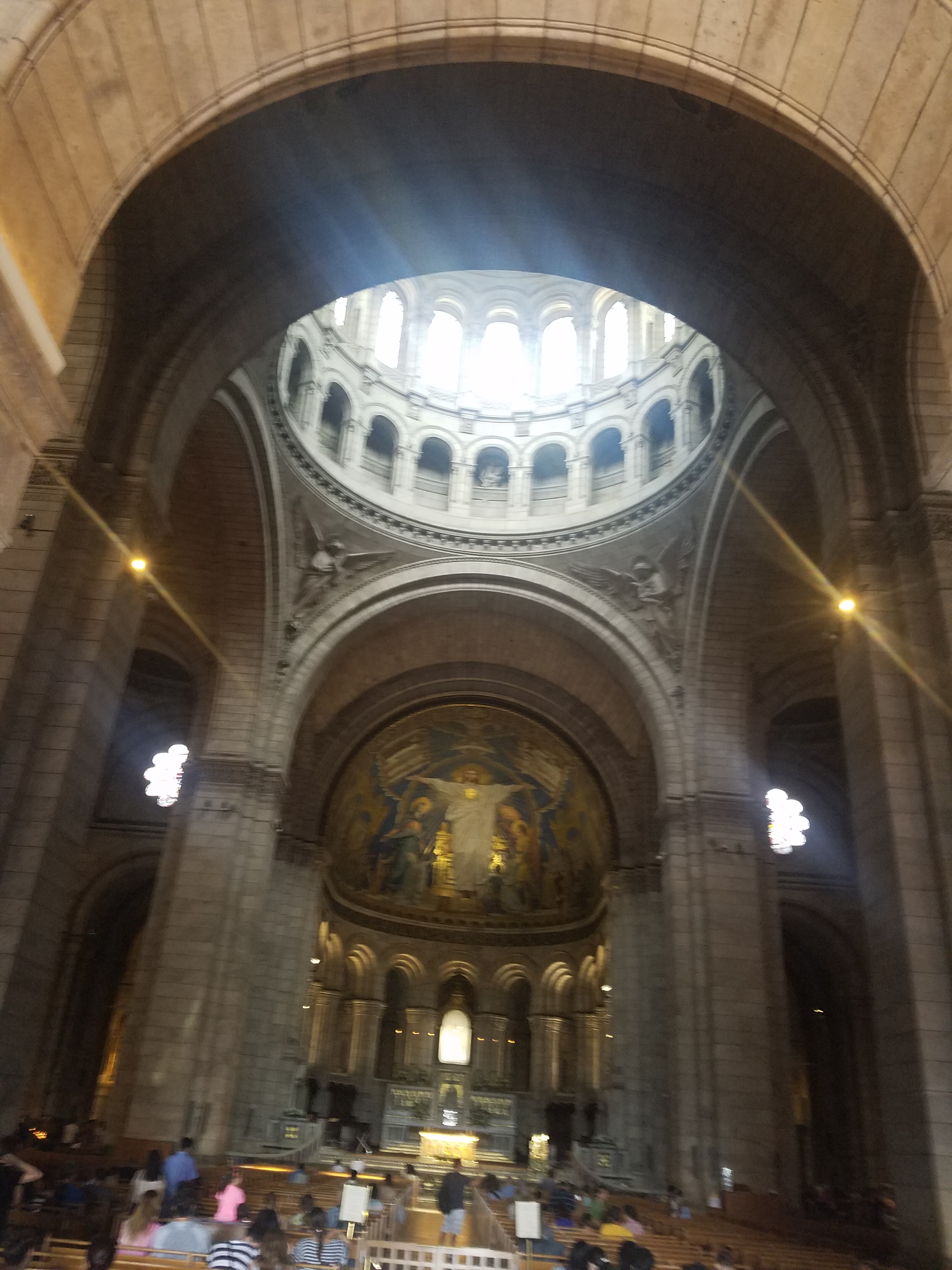
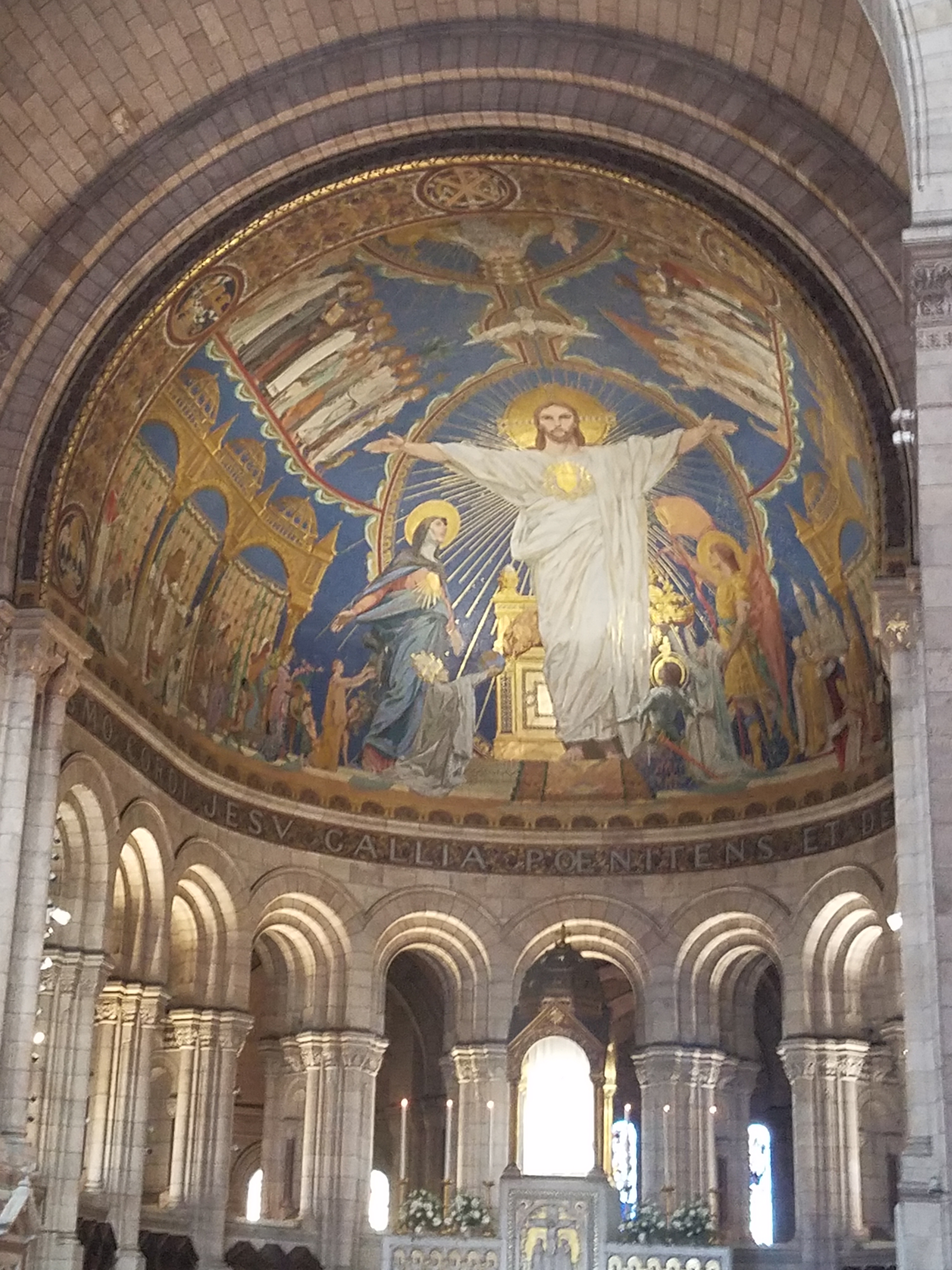
We took a cab to the Sacre Coeur Area and ate lunch near the Basilica. We went in the Basilica and walked the artist neighborhood including the fabric district of Paris.

Water Ferry to Notre Dame near the Eiffel Tower

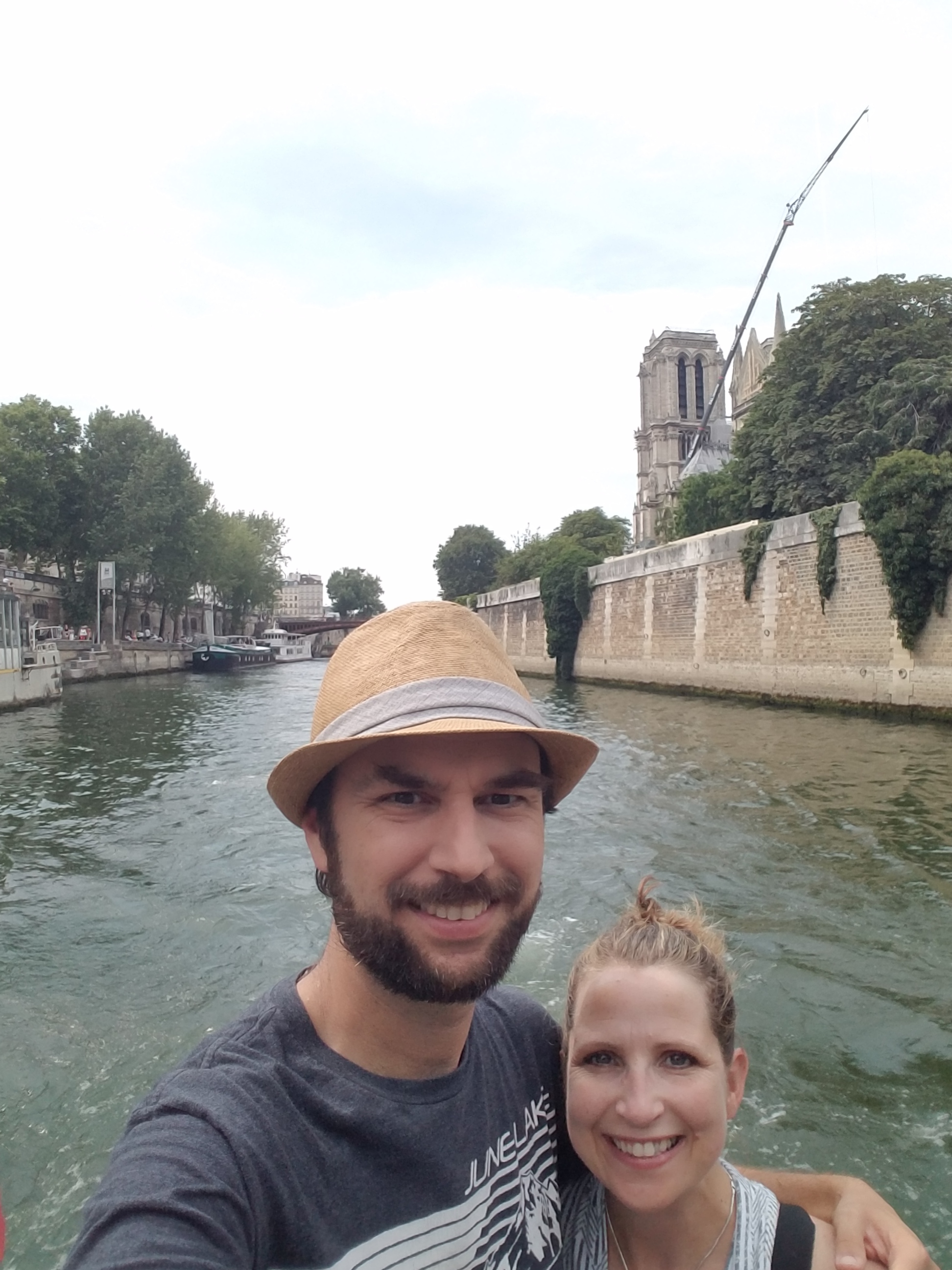
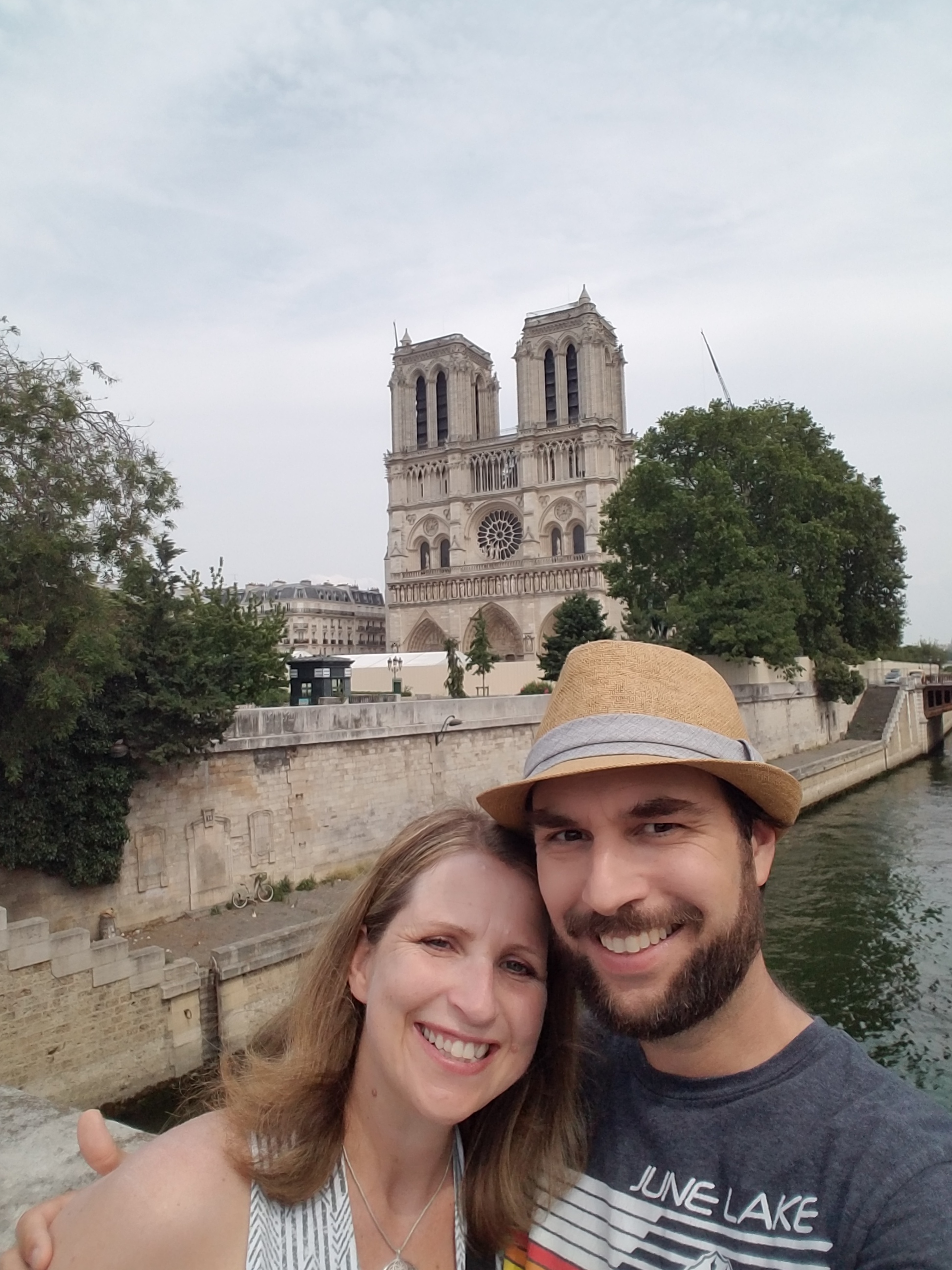
After eating lunch at Sacre Coeur, we took a Water Ferry to Notre Dame Cathedral and walked around the recently burned building. Most of it was closed off.

Water Ferry Near Notre Dame

We hopped back on the Water Ferry and followed it until the end of the route.

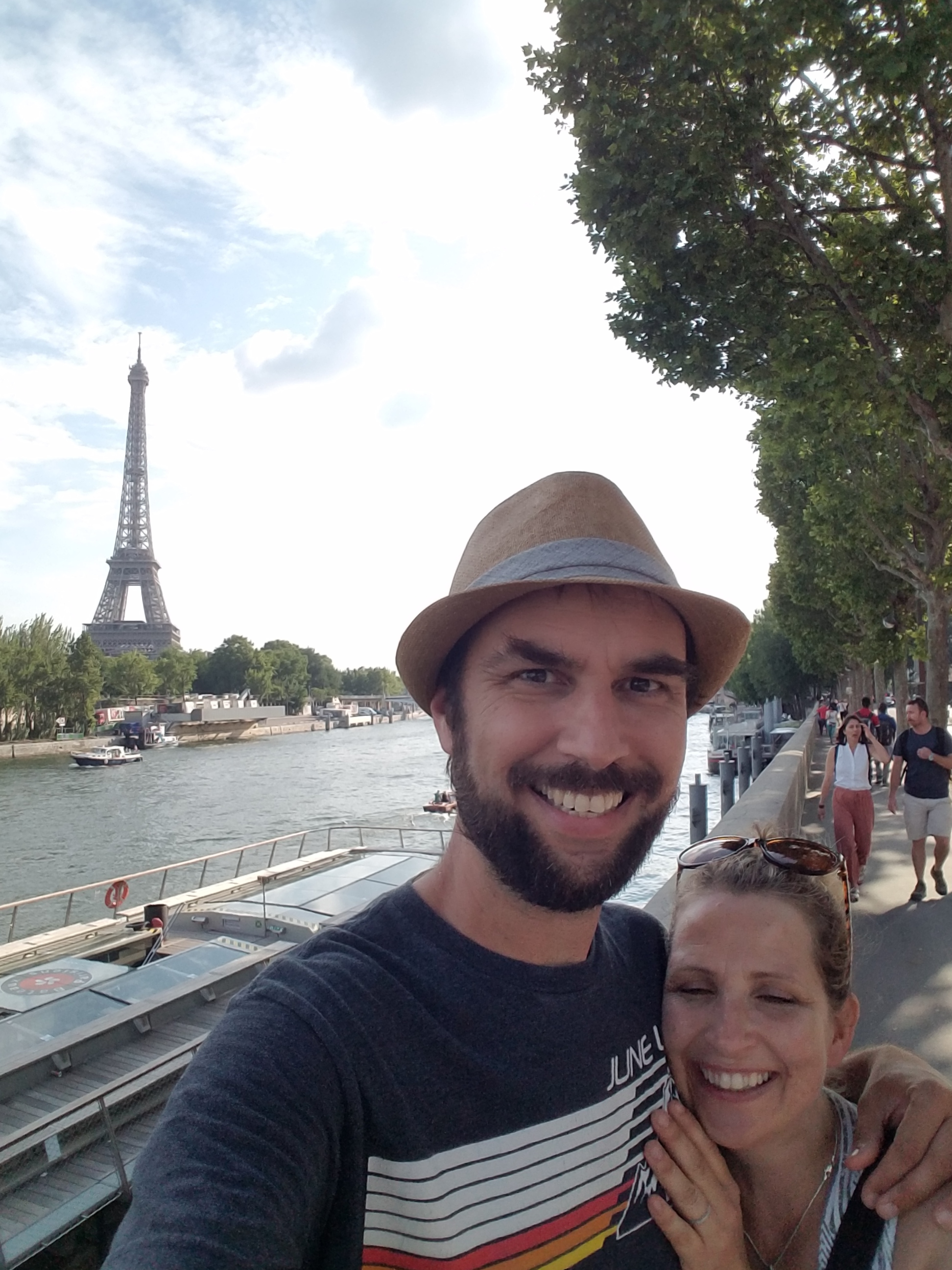
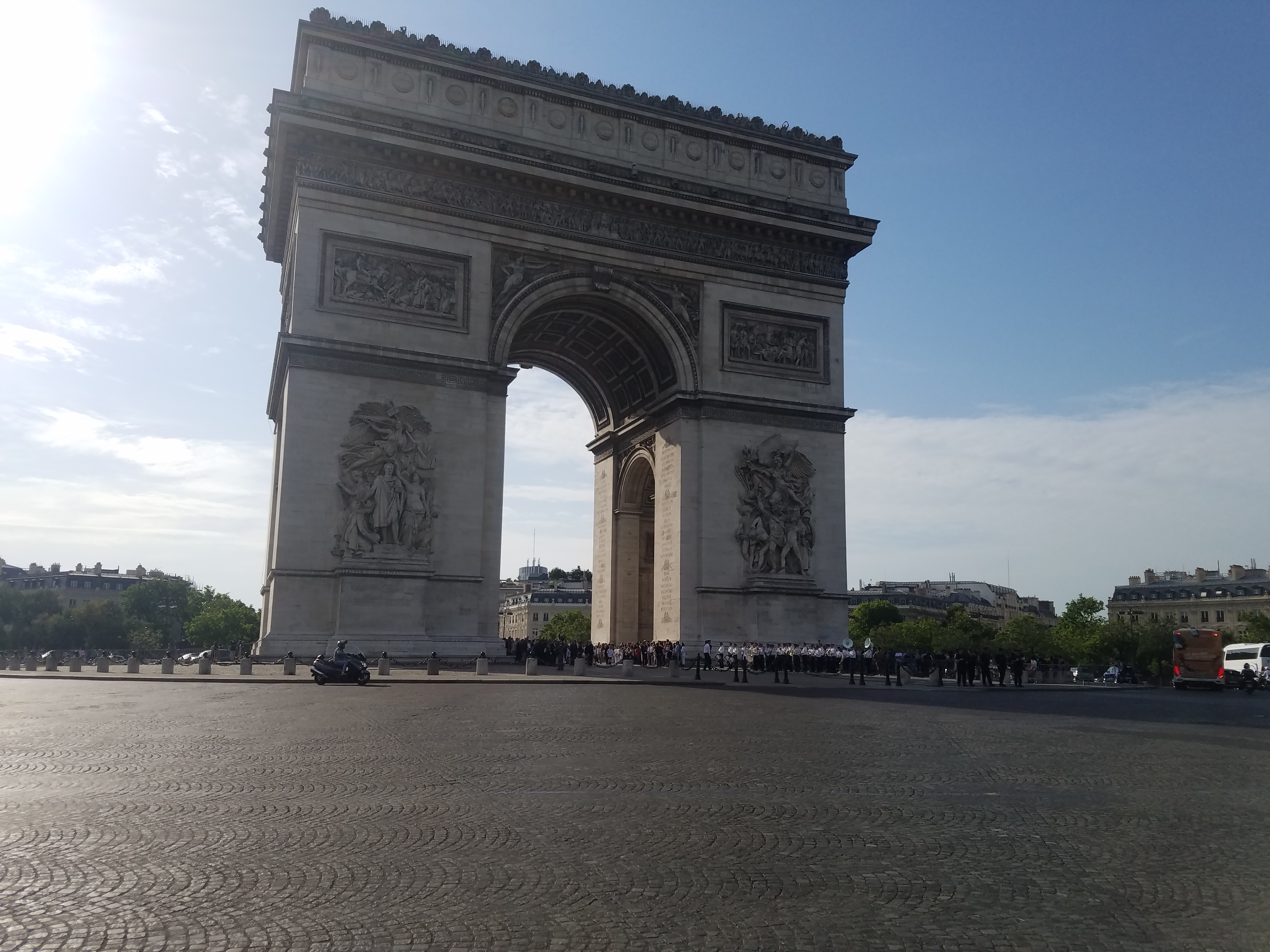
We got off near the Eiffel Tower and walked to the Arch De Triumph where there was a military band played to the public.

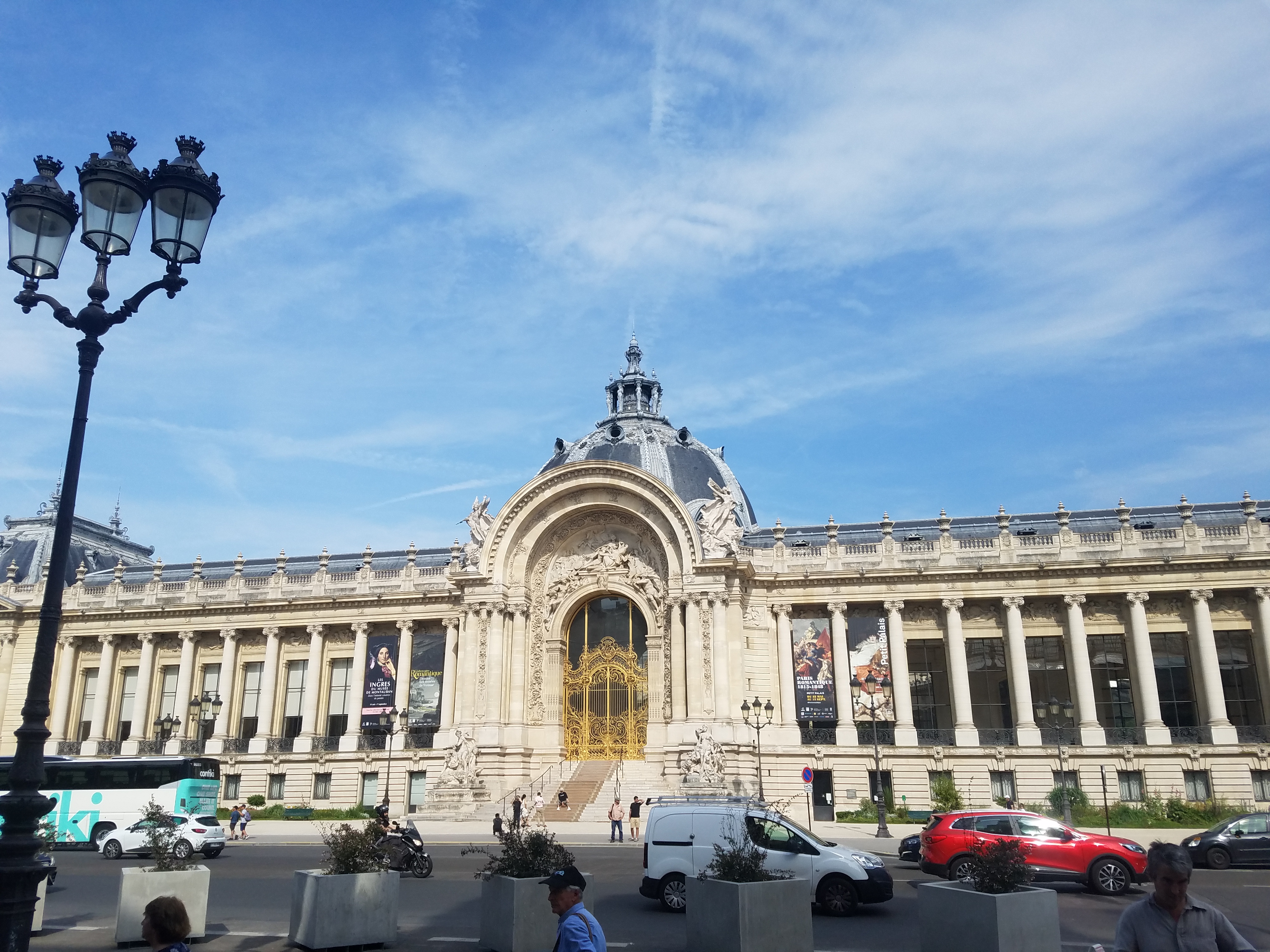
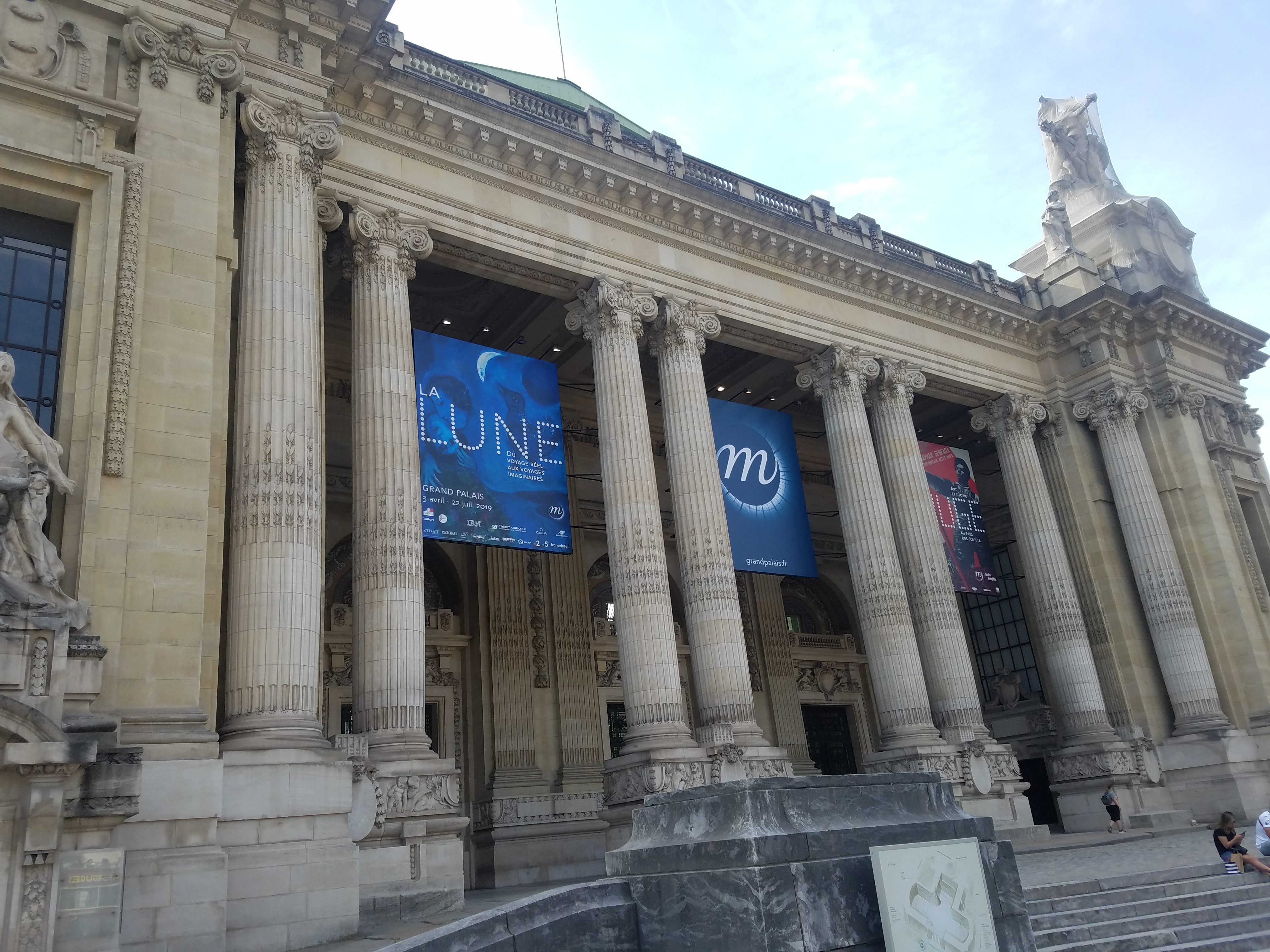
On our walk back to our hotel near the Gare De L’ Est, we walked past two museums that were closed.

The entire walk around town including the Water Ferry took about five hours.

Tate Modern and St. Paul’s Cathedral

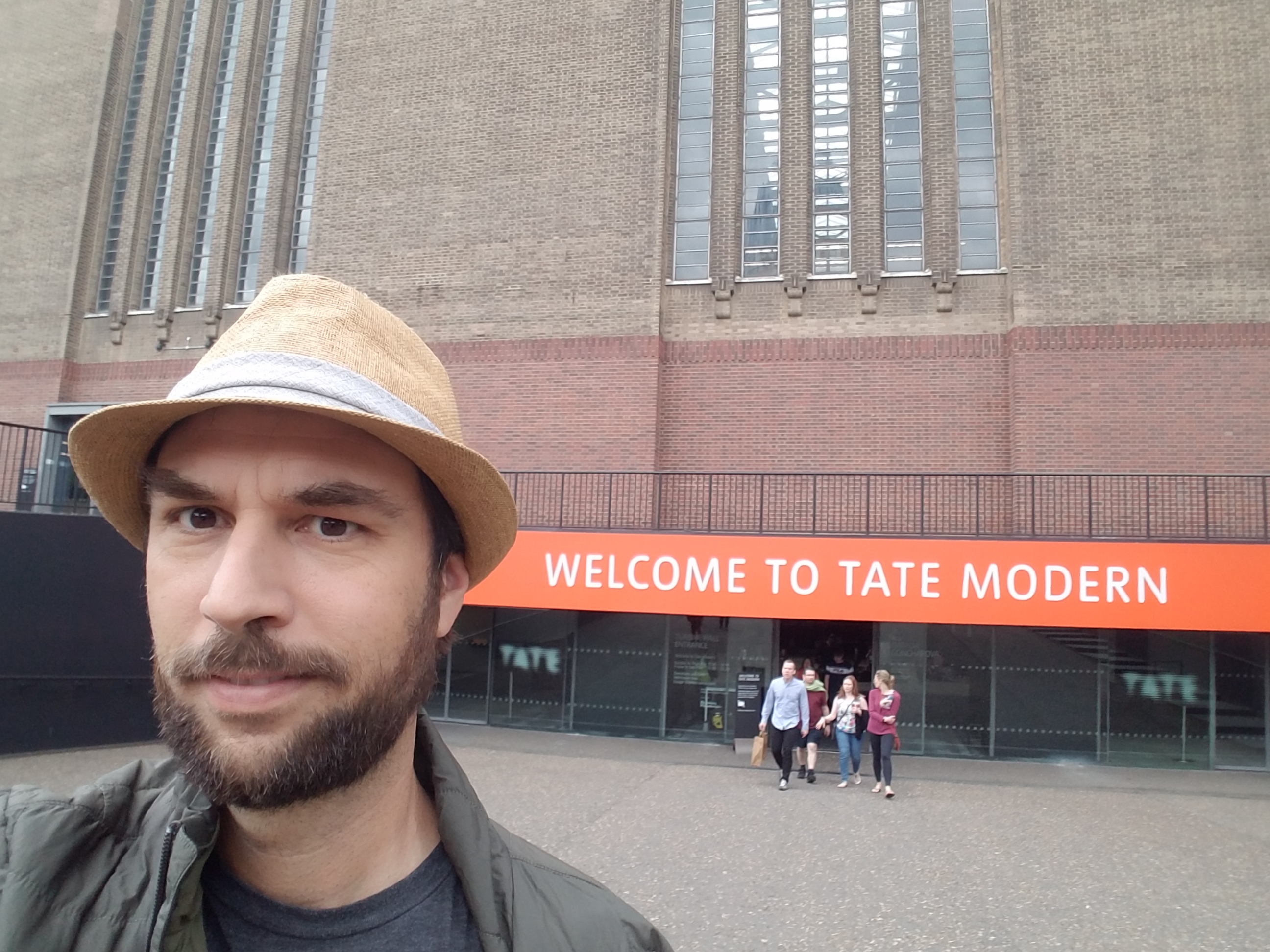
Outside the Tate Modern

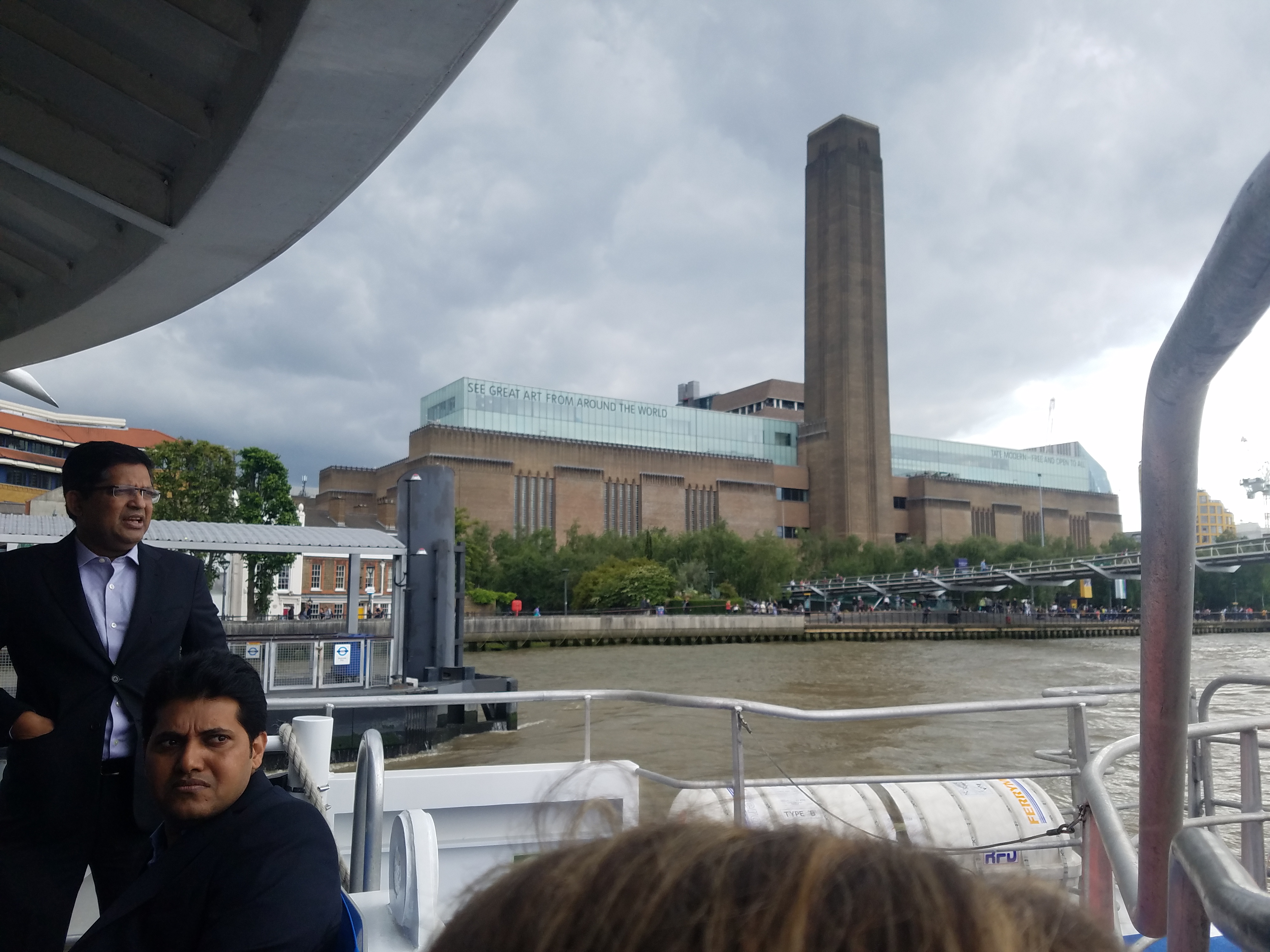
Tate Modern and St. Paul’s Cathedral are next to each other, so we spent a day in these two amazing buildings. The Tate Modern was free, and the St. Paul’s Cathedral cost 25 Euro’s to enter with audio tour. We first went to the Tate Modern, and climbed up to the observatory to see London from above.

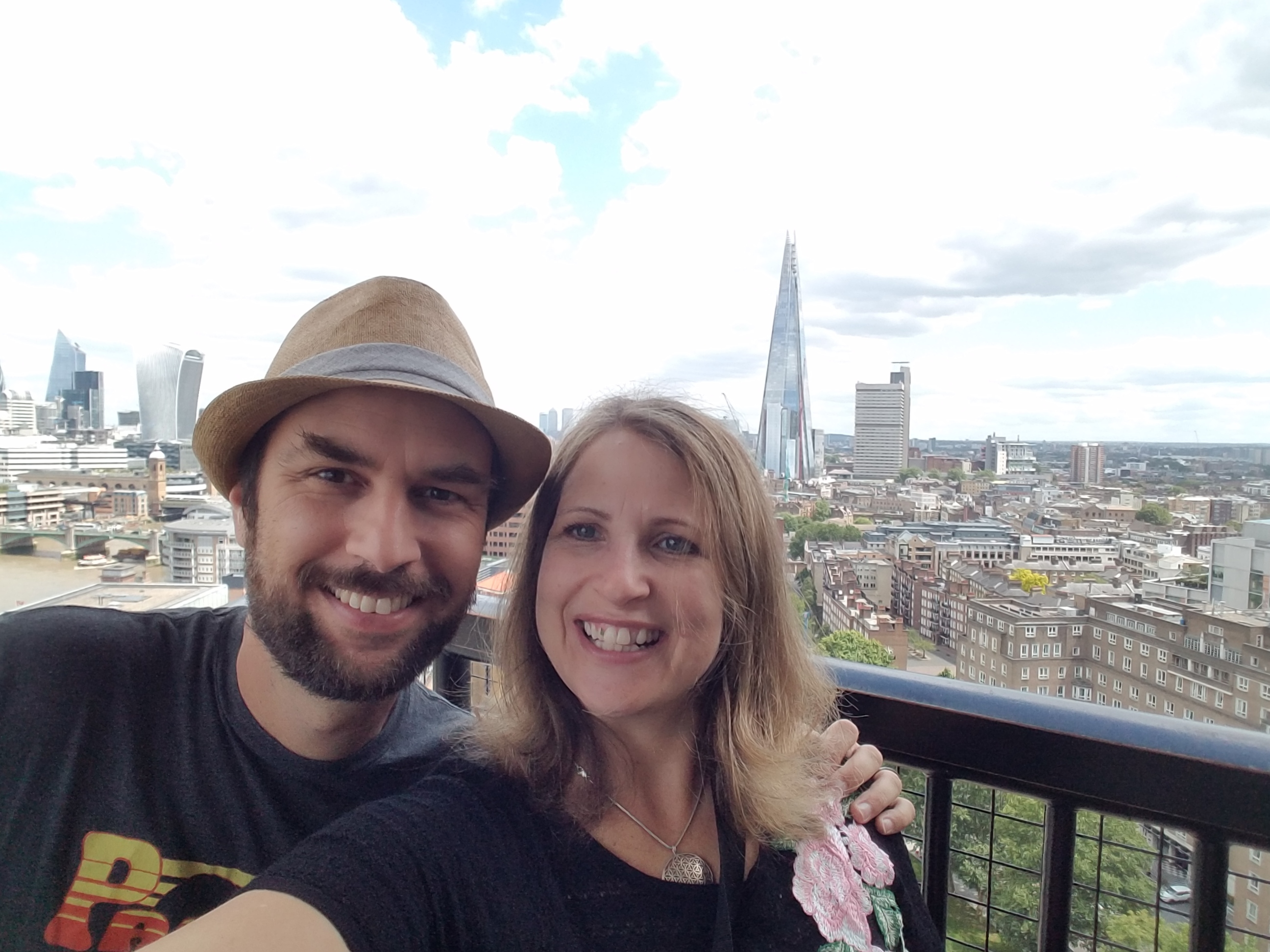
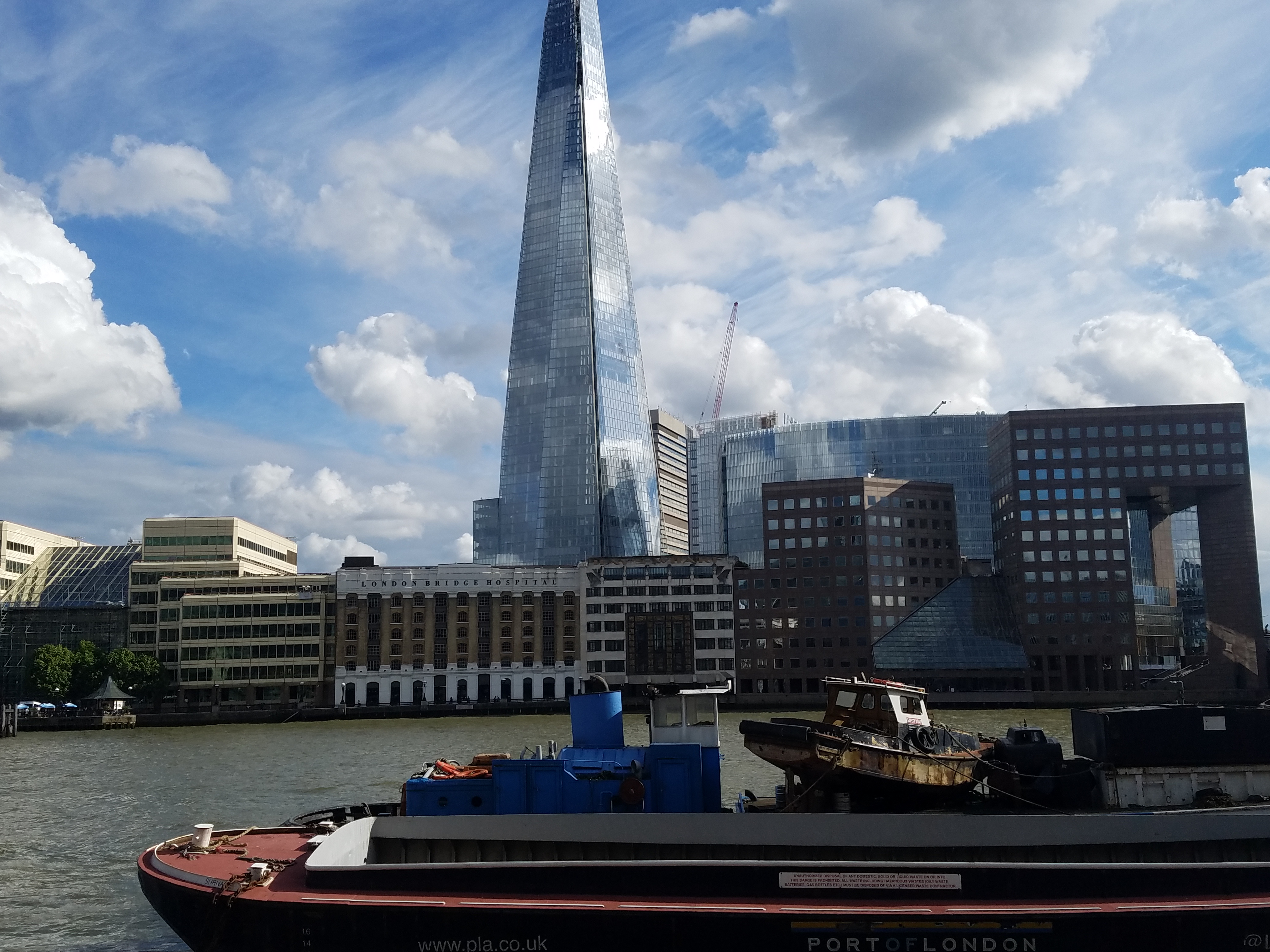
On top of the Tate Modern’s observatory with he Shard in the background

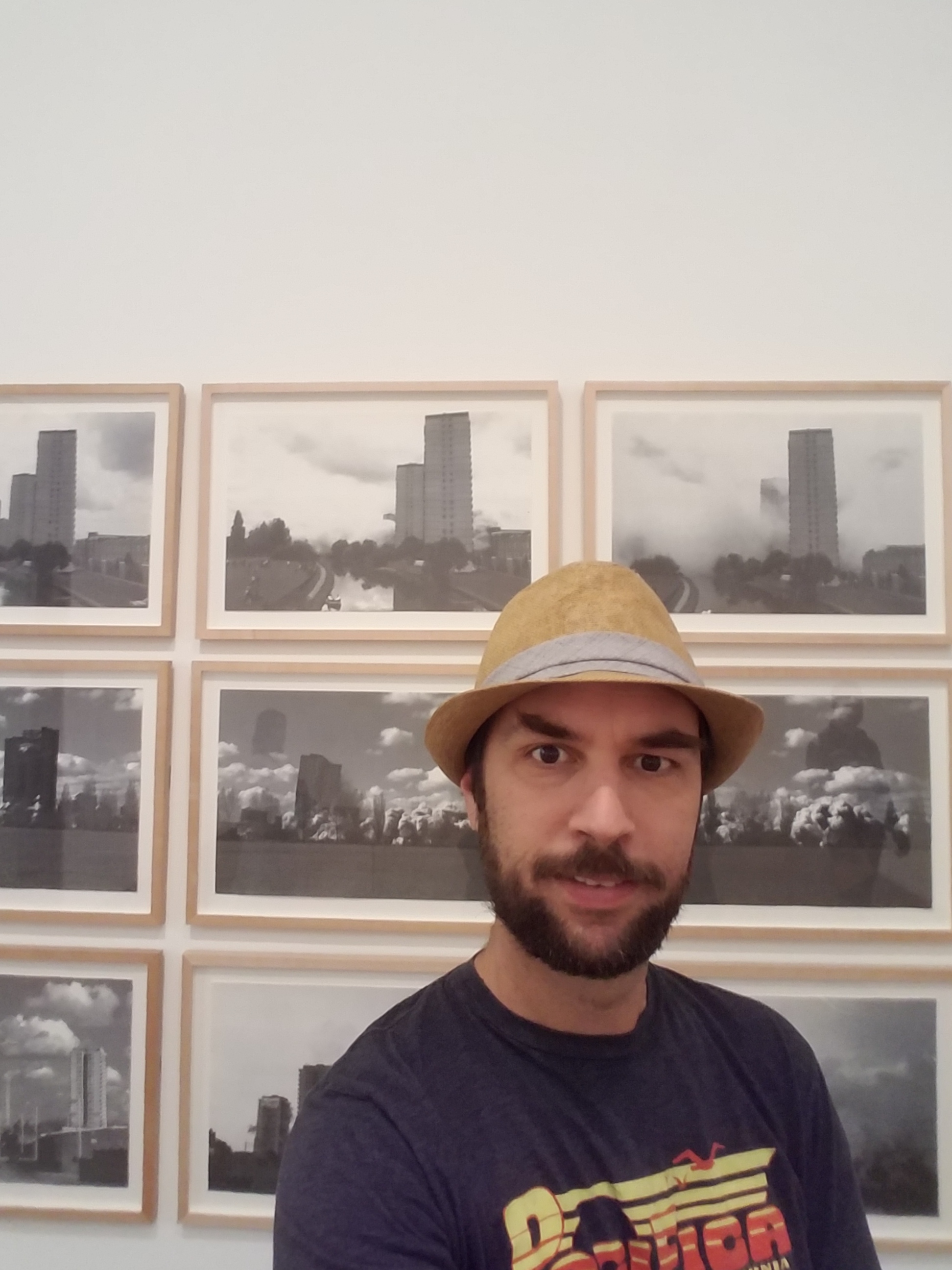
We first went to the Tate Modern, and climbed up to the observatory to see London from above. The information listed below in describing the pieces of art come from the interpretation materials inside the museum and public tours.

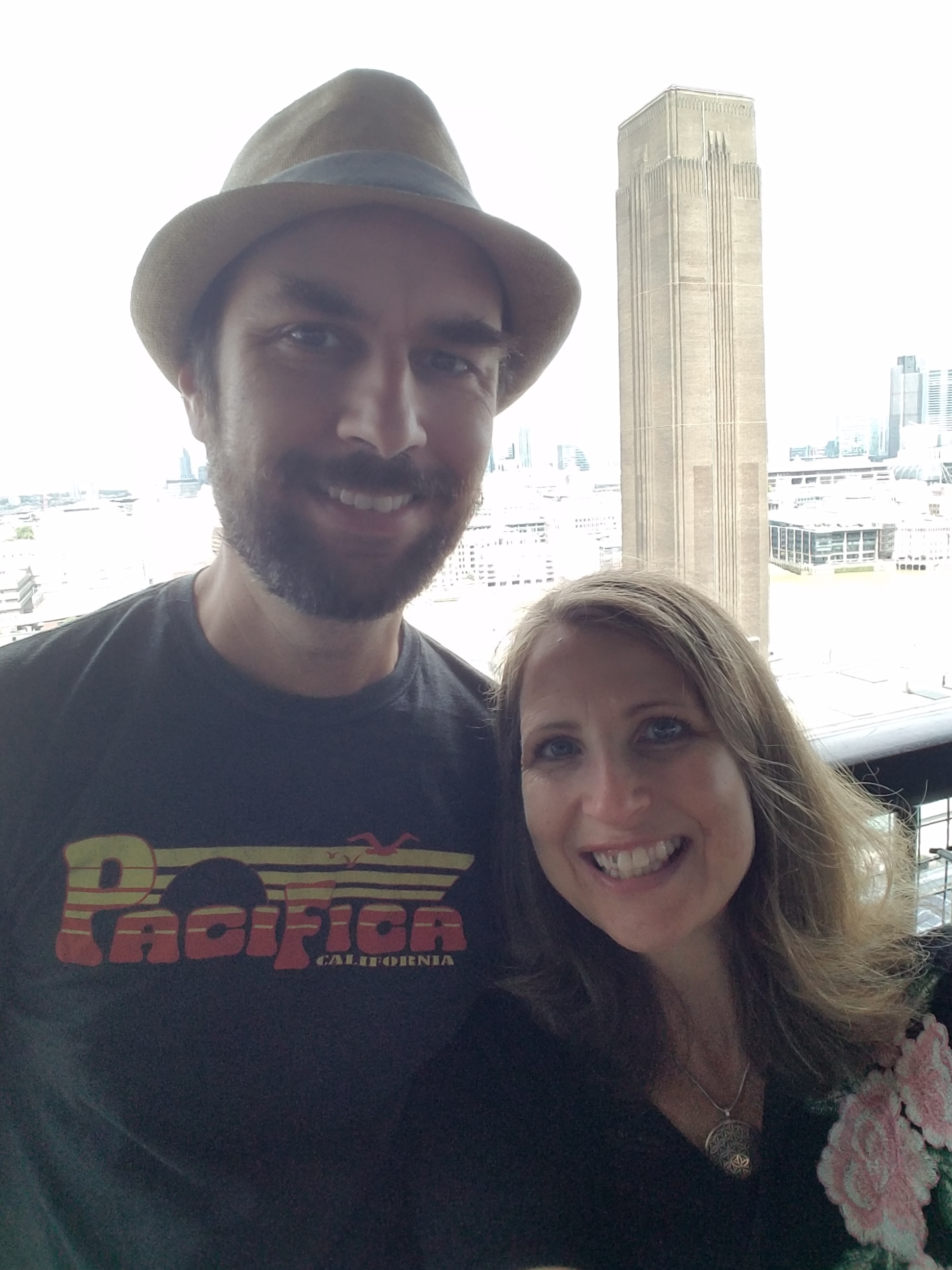
Tate Modern Tower in the background on top of the Tate Modern’s Observatory
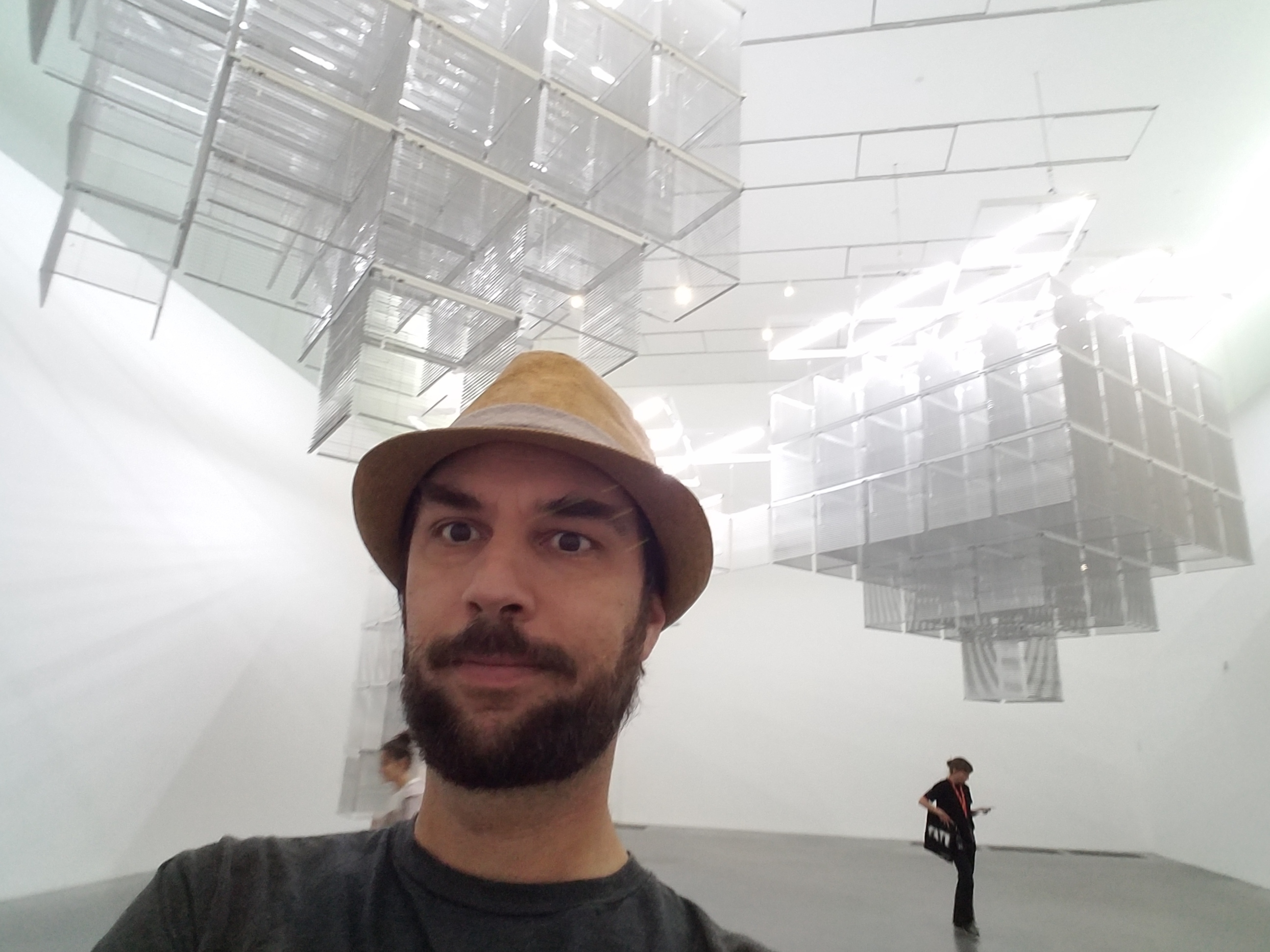
This piece of art was created by Haegue Yang in 2015, and is mode up of over 500 Venetian blinds

This piece of art was inspiring to me as its architectural design and light reminded me the root of a giant skyscraper. While reading more about the piece, I realized that it was made up of over 500 Venetian Blinds. It was created in 2015 By Heague Yang that referenced a previous sculpture in 1986 called “Structure with three towers” by Sol LeWitt. Haegue Magnified the sculpture three times, suspended the towers upside down, and divided it into three parts. This artwork plays with the idea of authorship and originality as she borrowed LeWitt’s rules in making the original structure. The structure also brings in ideas of privacy and visibility.

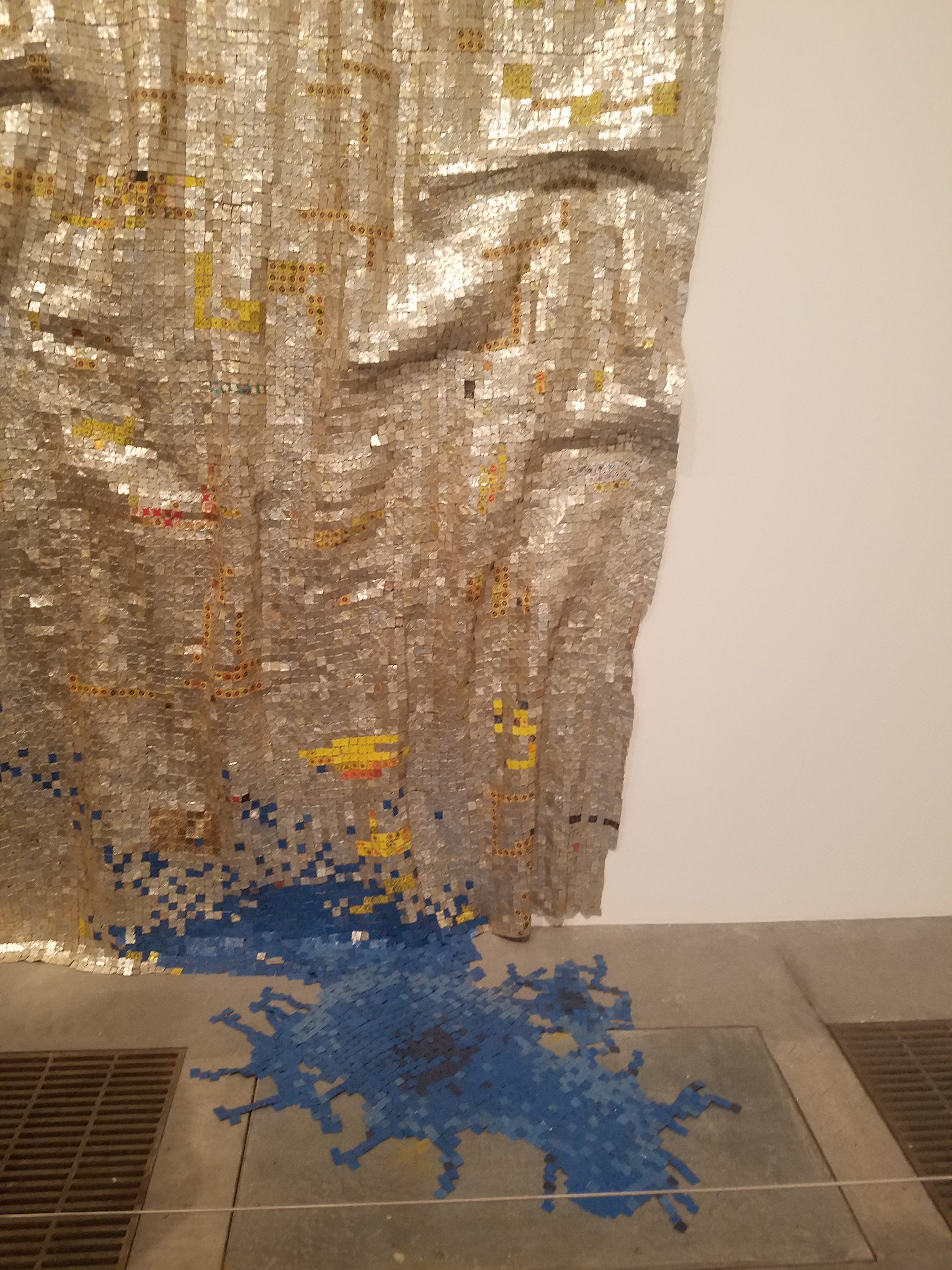
El Anatui, Ink Splash II 2012

I enjoy this piece of artwork because it looks like it took a long time weaving these metal materials into one piece of artwork. The fact that part of it is splashing on the floor is exciting to me because it isn’t only using one wall from a museum, but also the floor. It was created by taking bottle caps, smashing them until they are flat, and then weaving them together with copper. The materials in this piece are copper and Aluminum, and the entire piece resembles a abstract piece of art. My favorite part of the art piece was this bottom portion. The piece was very difficult to photograph as it was very large.

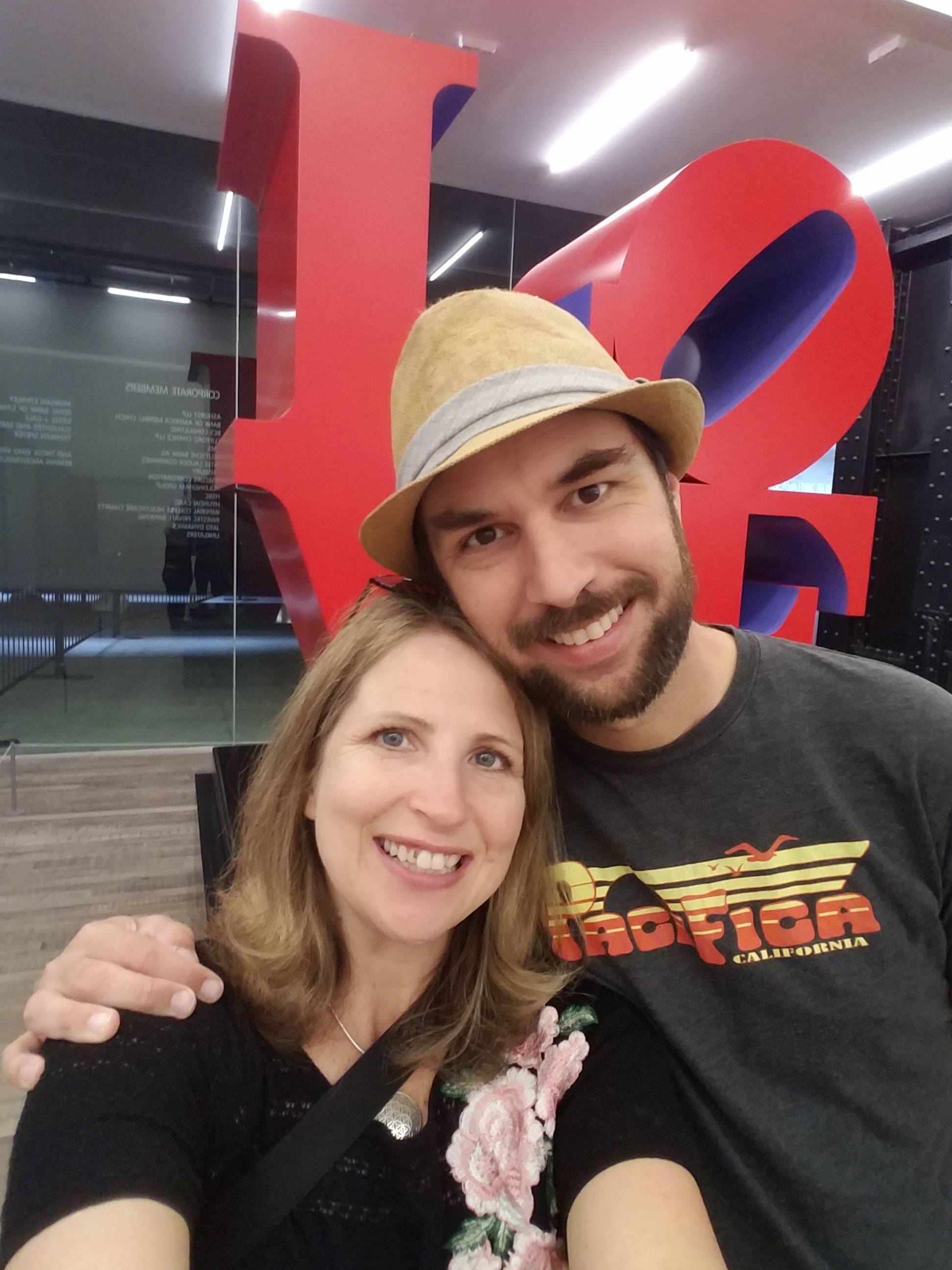
Robert Indiana’s “Love” sculpture, 1965
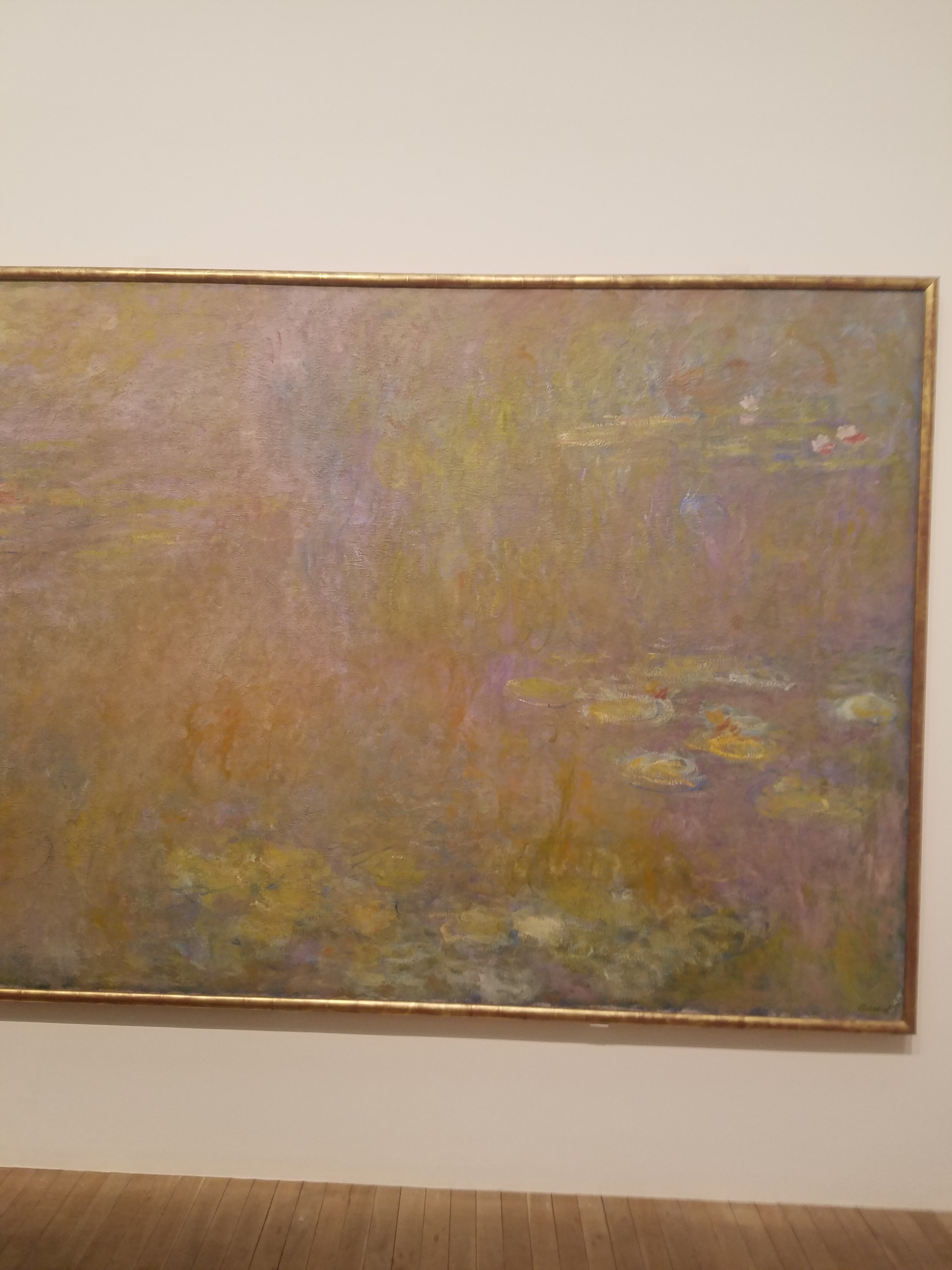
Claude Monet, Circa 1950

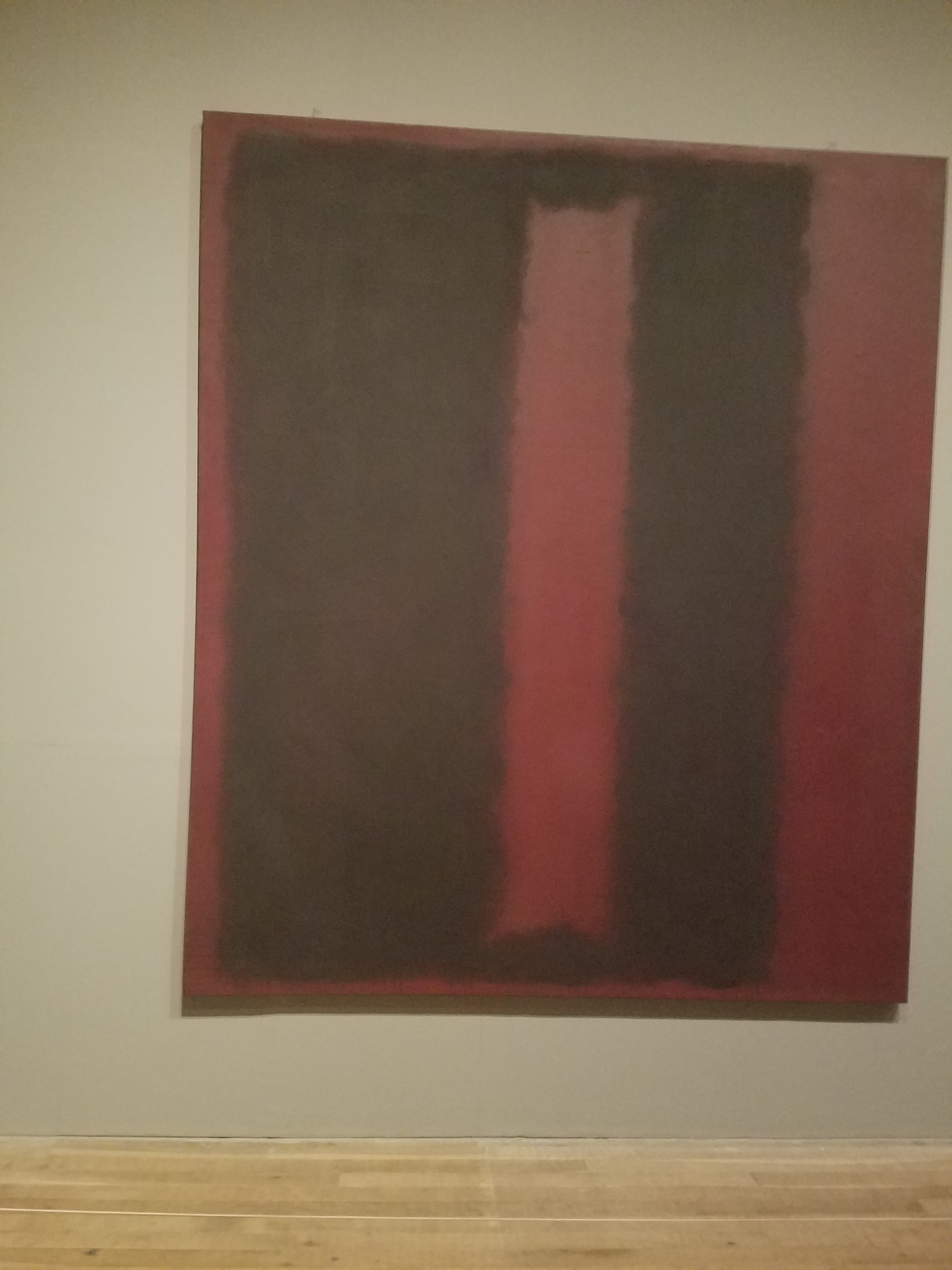
Claude Monet was Ill in Normandy in the 1950’s when he drew inspiration from a pond of lilies. Mark Rothko found inspiration in his water lily paintings as he was interested in his paintings delivering a singular human emotion.

Mark Rothko, Circa 1950
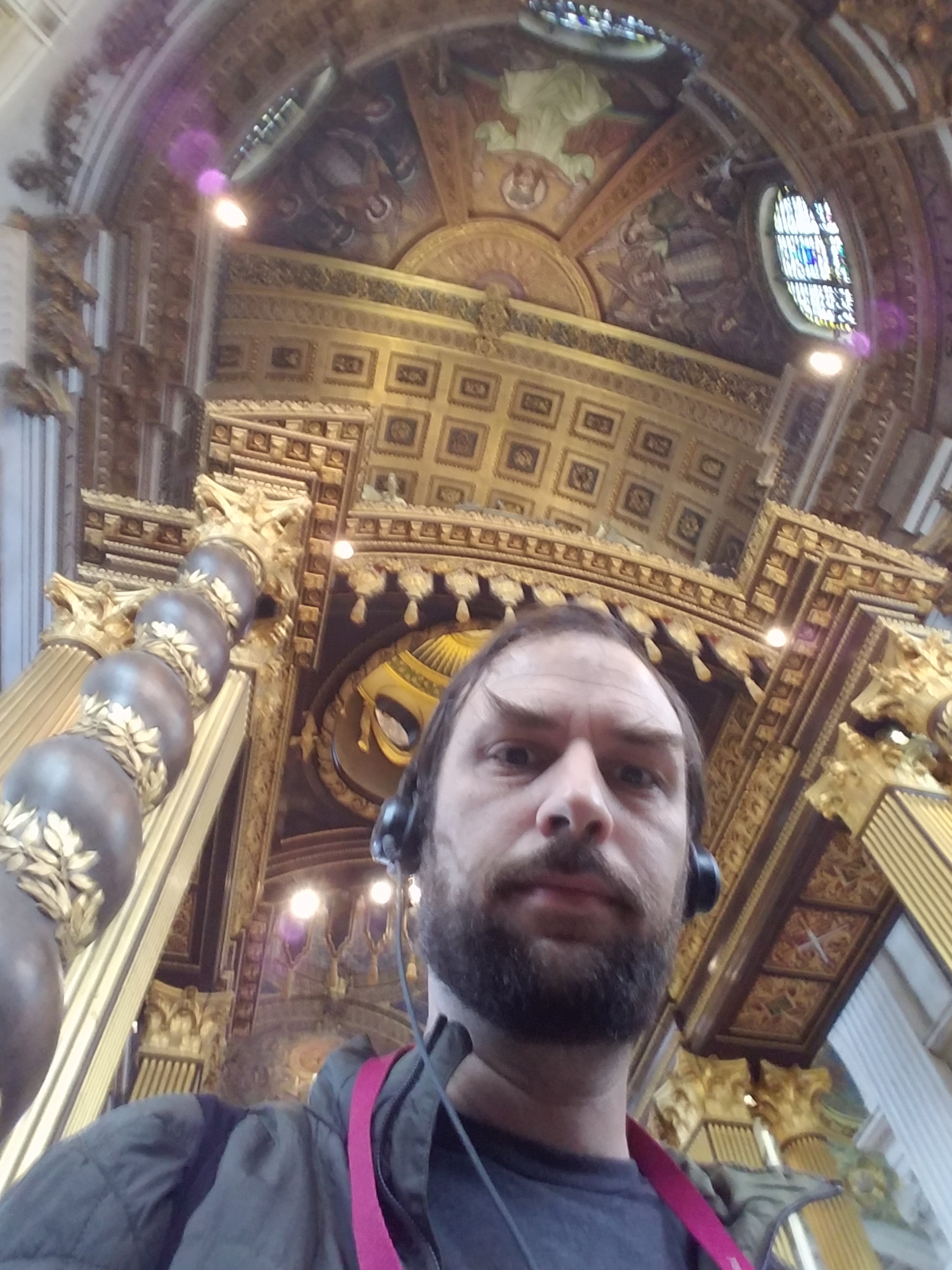
Inside St. Paul’s Cathedral taking an audio tour

The inside of St. Paul’s Cathedral was stunning; there were multiple layers of embellishments, paintings, and fancy decorations. The most extensive being the mosaics that were not originally installed in the building. The original design in the church was black and white and very austere. The queen thought it was boring and so they hired someone to install mosaic tiles. At first people thought it was gaudy and insulted the original design. The color and scale of the mosaics are stunning. The one feature in the church that was not very ornate was the Naive. The reason of this was not to draw attention away from the purpose of the object which was baptizing people.

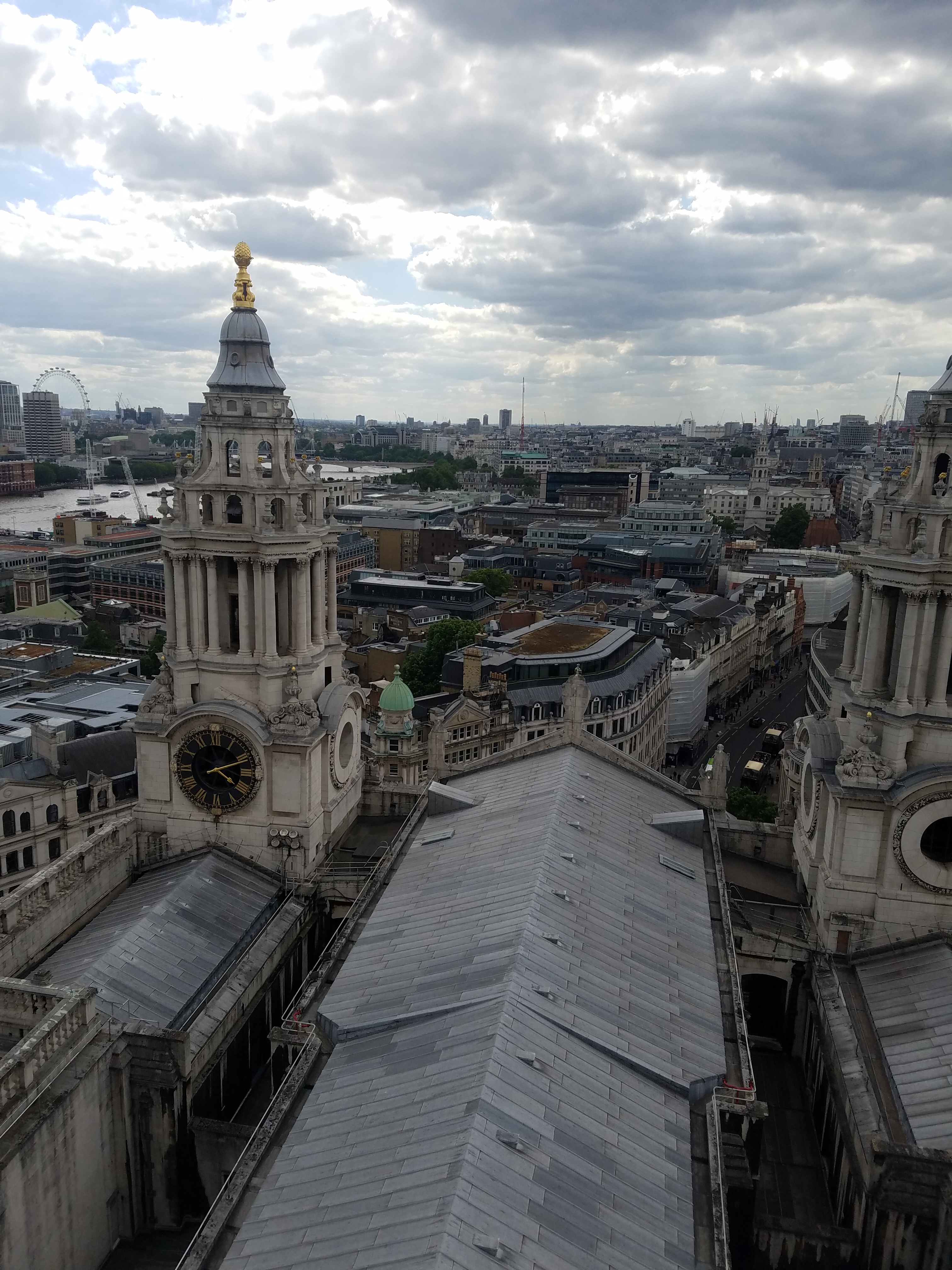
On top of St. Paul’s Cathedral

The experience climbing up the steep spiraling stone steps up to the top of St. Paul’s Cathedral was strenuous. Many visitors appeared to be dizzy and short of breath.

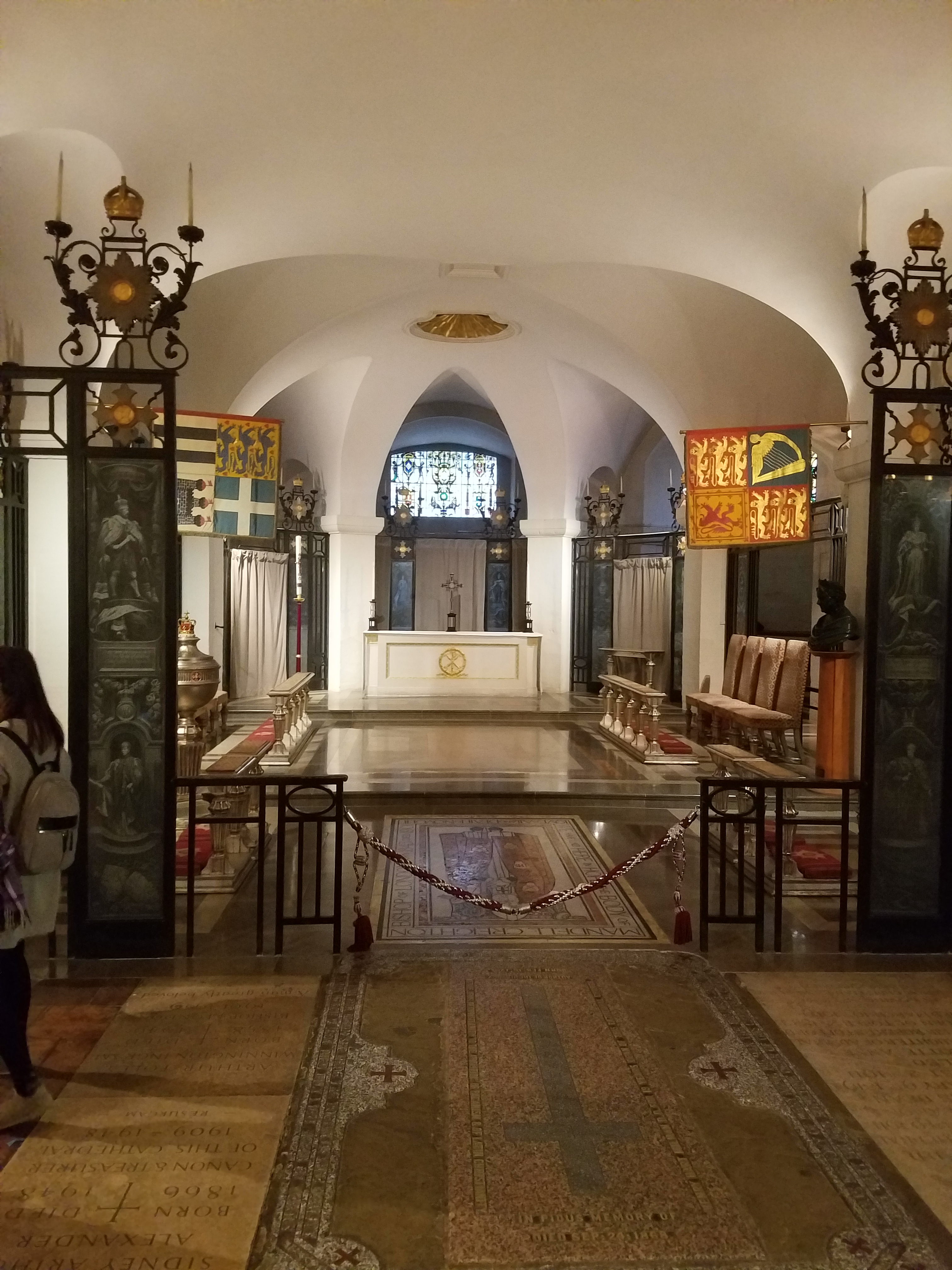
In the basement of St. Paul’s in a crypt of famous Noble Englishmen

In the crypt, there was many historical noblemen buried in the foundation of the church. Winston Churchill (not a nobleman) has memorial gates that honor him. He is among one of a few who are honored in the crypt who were not among the noble. Nestled in the back of the crypt was a cafe that felt out of place.

London Walk and Water Taxi

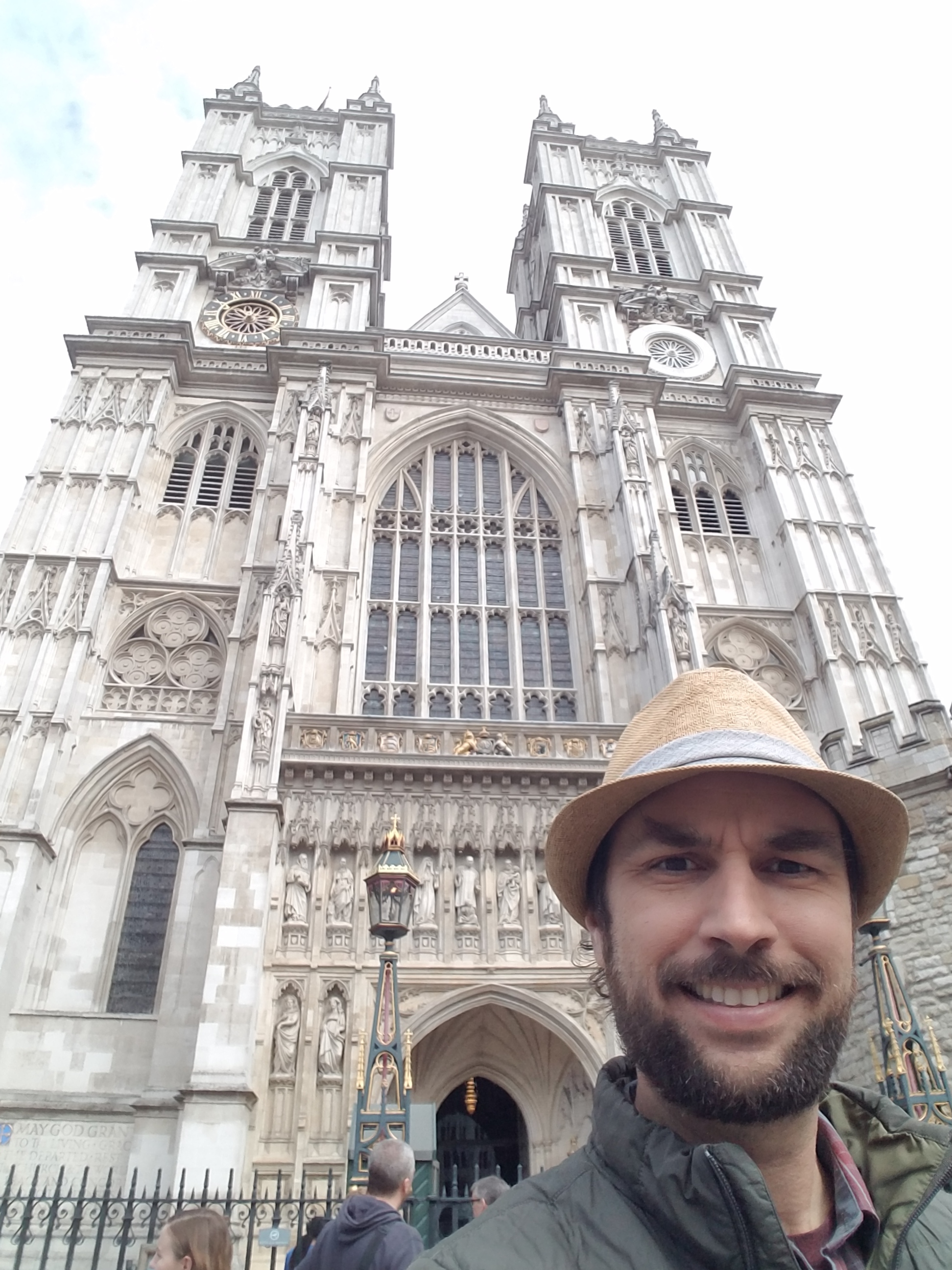
The Westminster Abbey

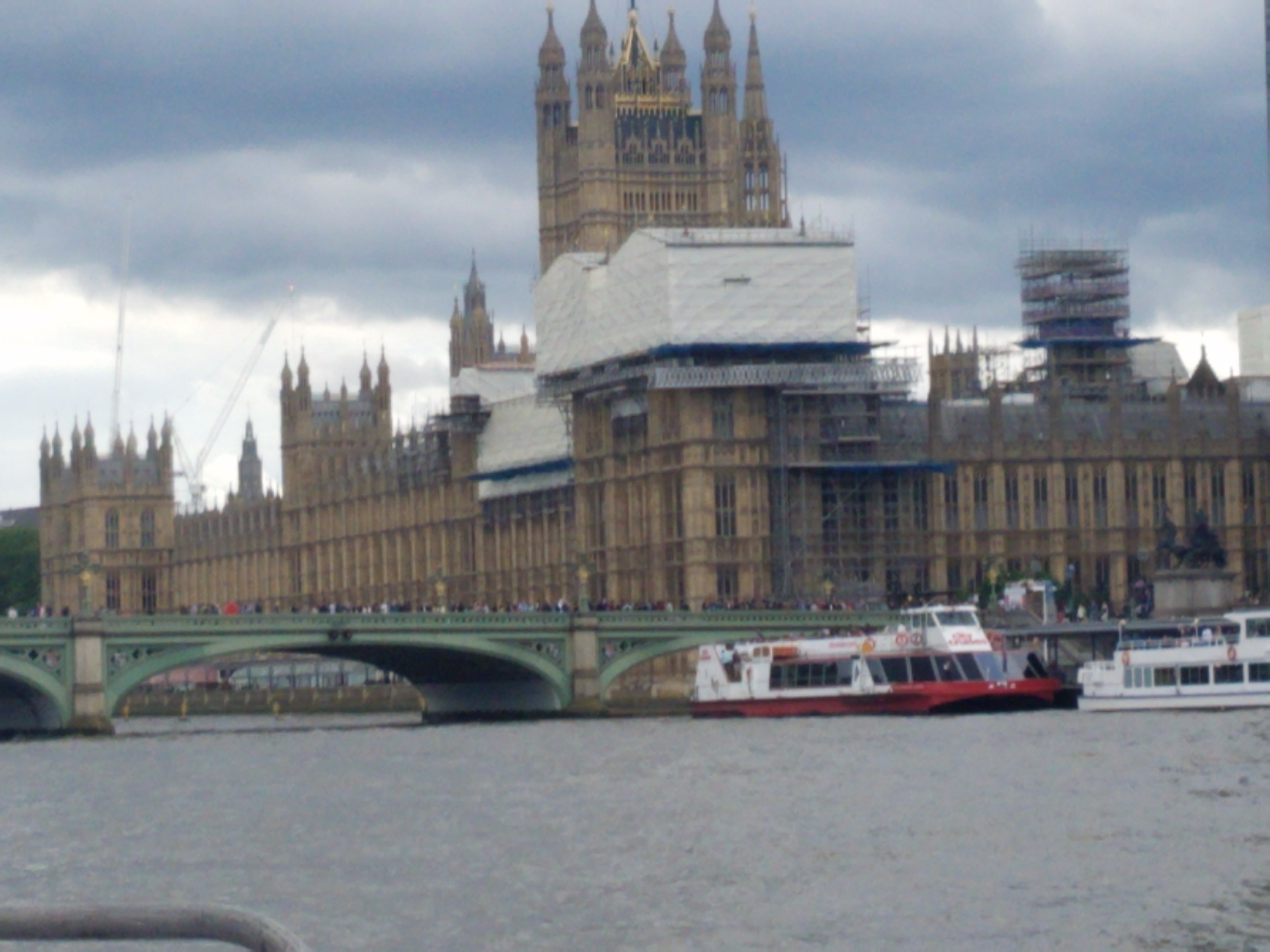
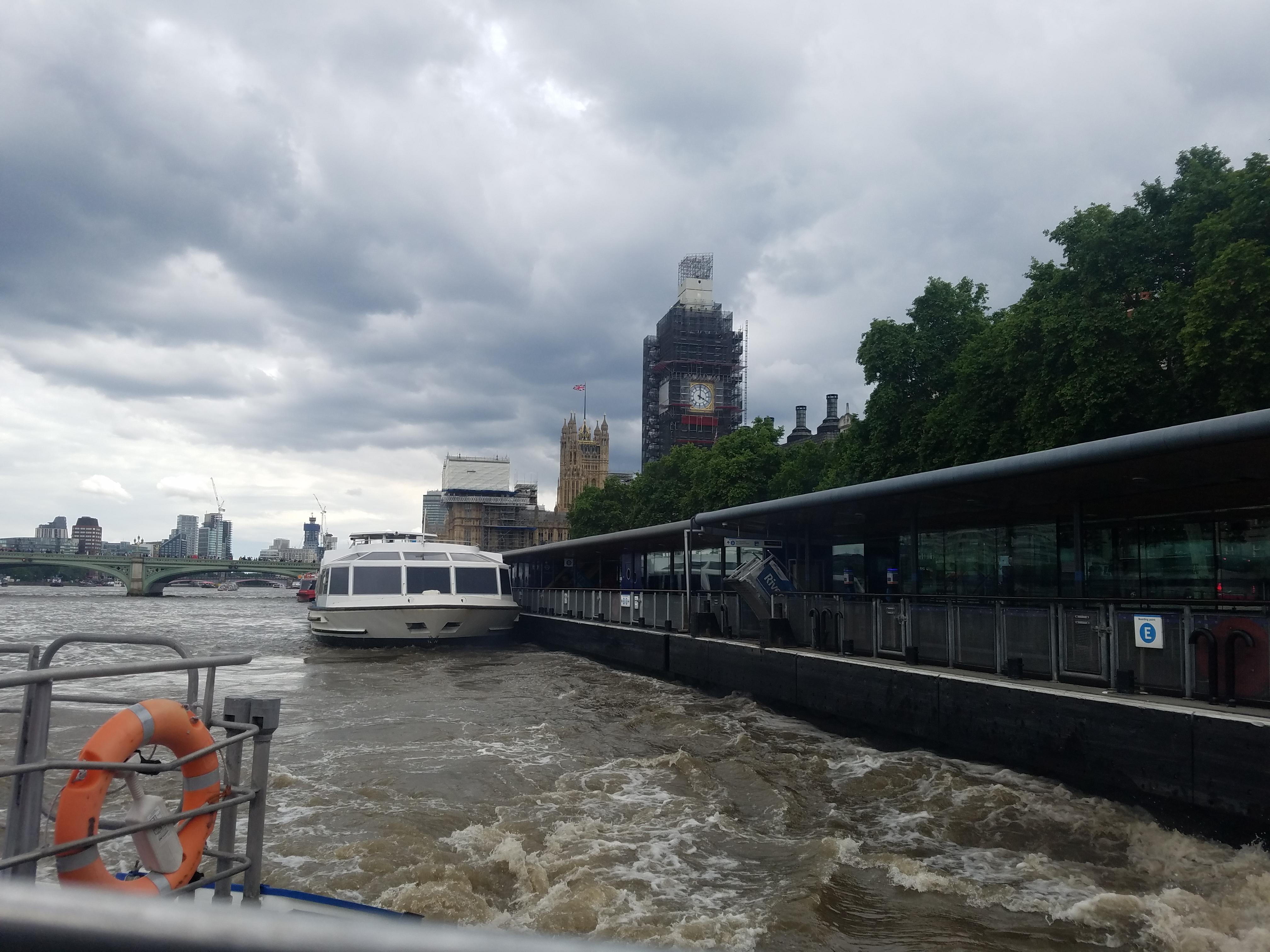
We spent our second day in London walking around town trying to explore the city the best we could. We took the Victoria line train which was unusually hot and then took a transfer train to Westminster Abbey. The Abbey had about a two hour wait, so we decided to walk around town. Big Ben was also being renovated. There was a lot of commotion in the parliament building which houses Big Ben; there was a vote being taken to see who the next Prime Minister of the U.K would be.

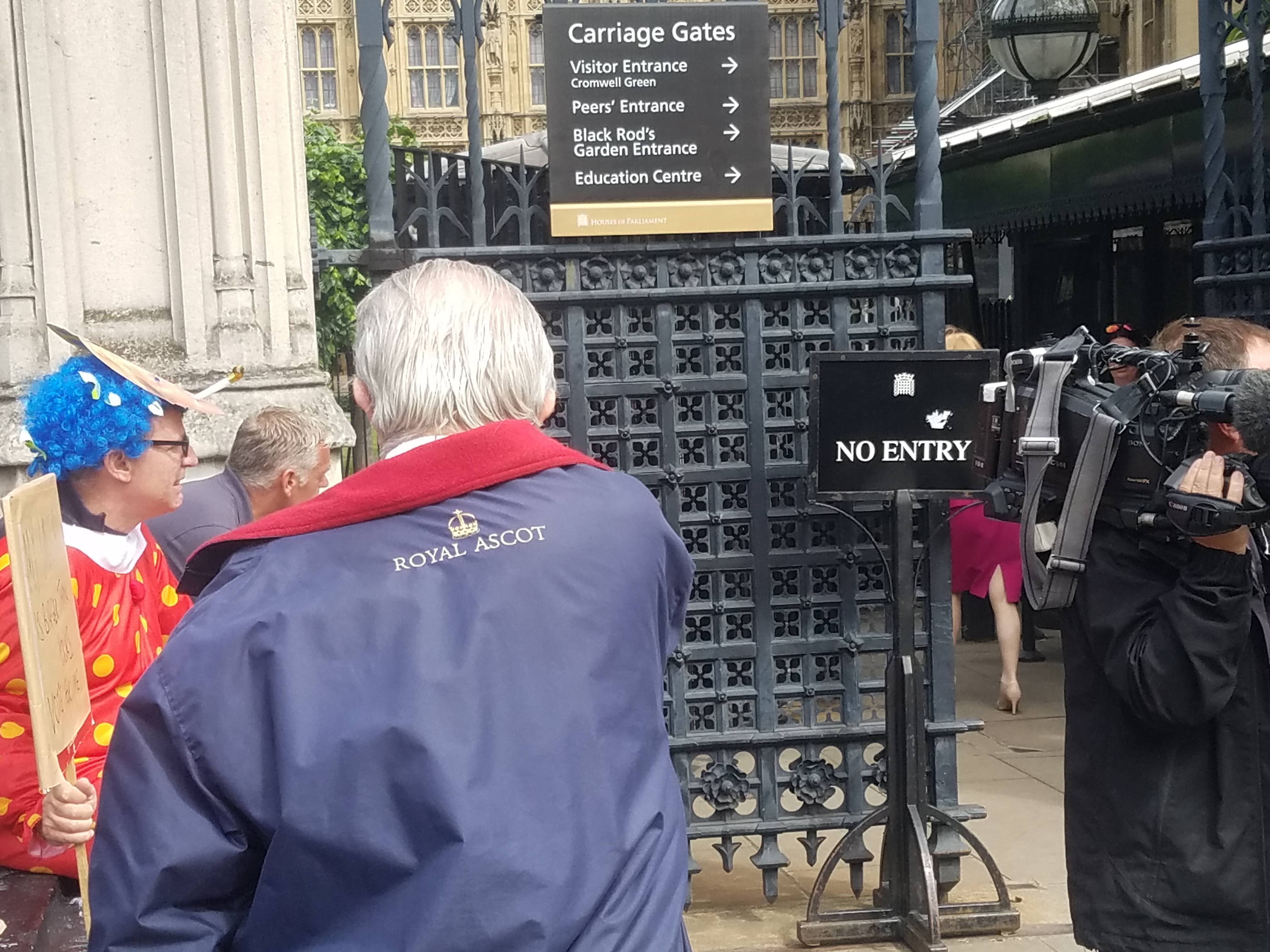
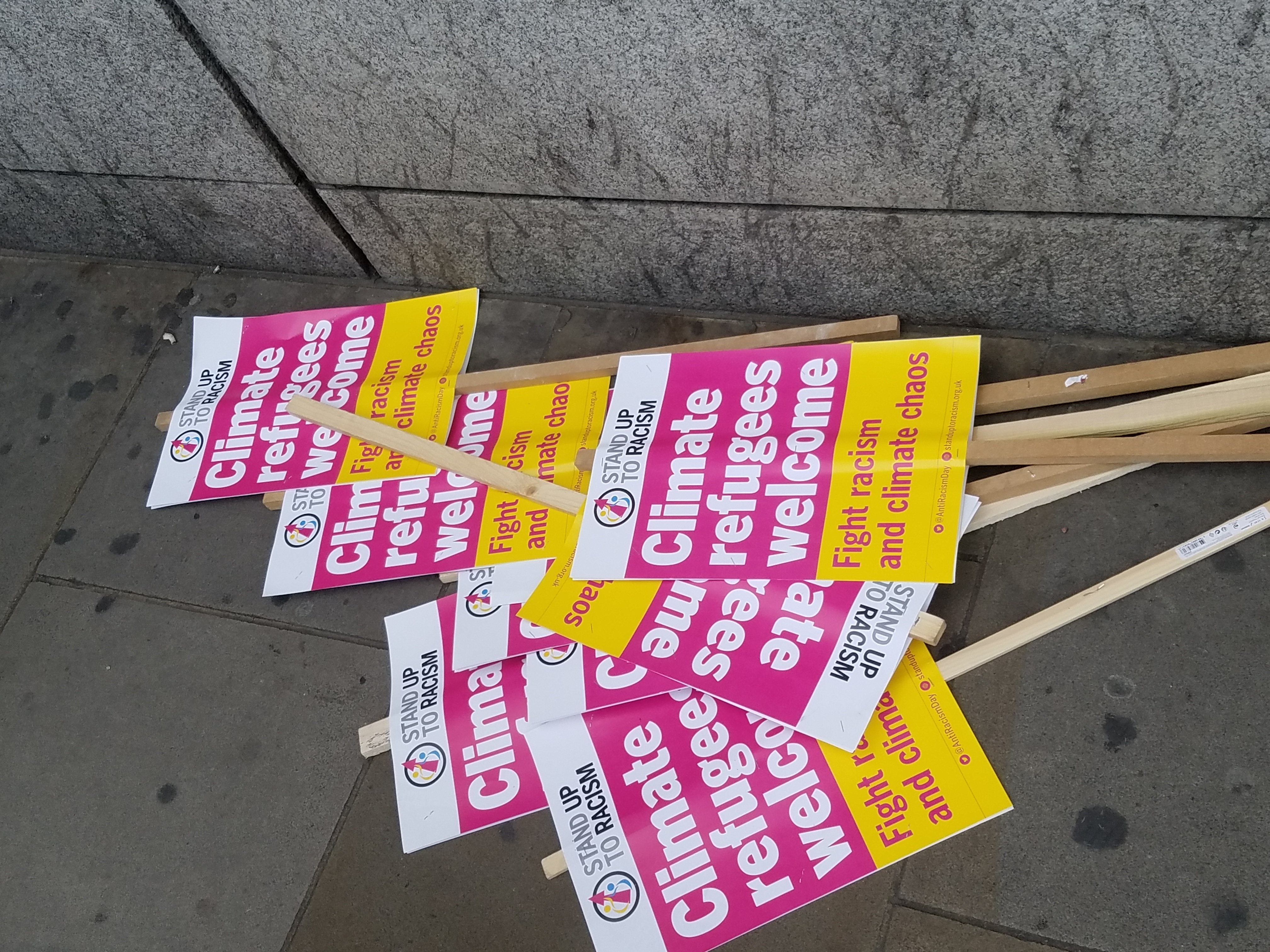
Many protesters were outside of the building protesting their own individual interests.
Picket Signs for a protest
The Parliament building with Big Ben in the background being renovated

Our walk took us from West Minster Abbey and Parliament building to the Thames river where we walked for about two hours. We were enveloped by a protest to end racism and climate change on the way to the London Tower and Tower Bridge.

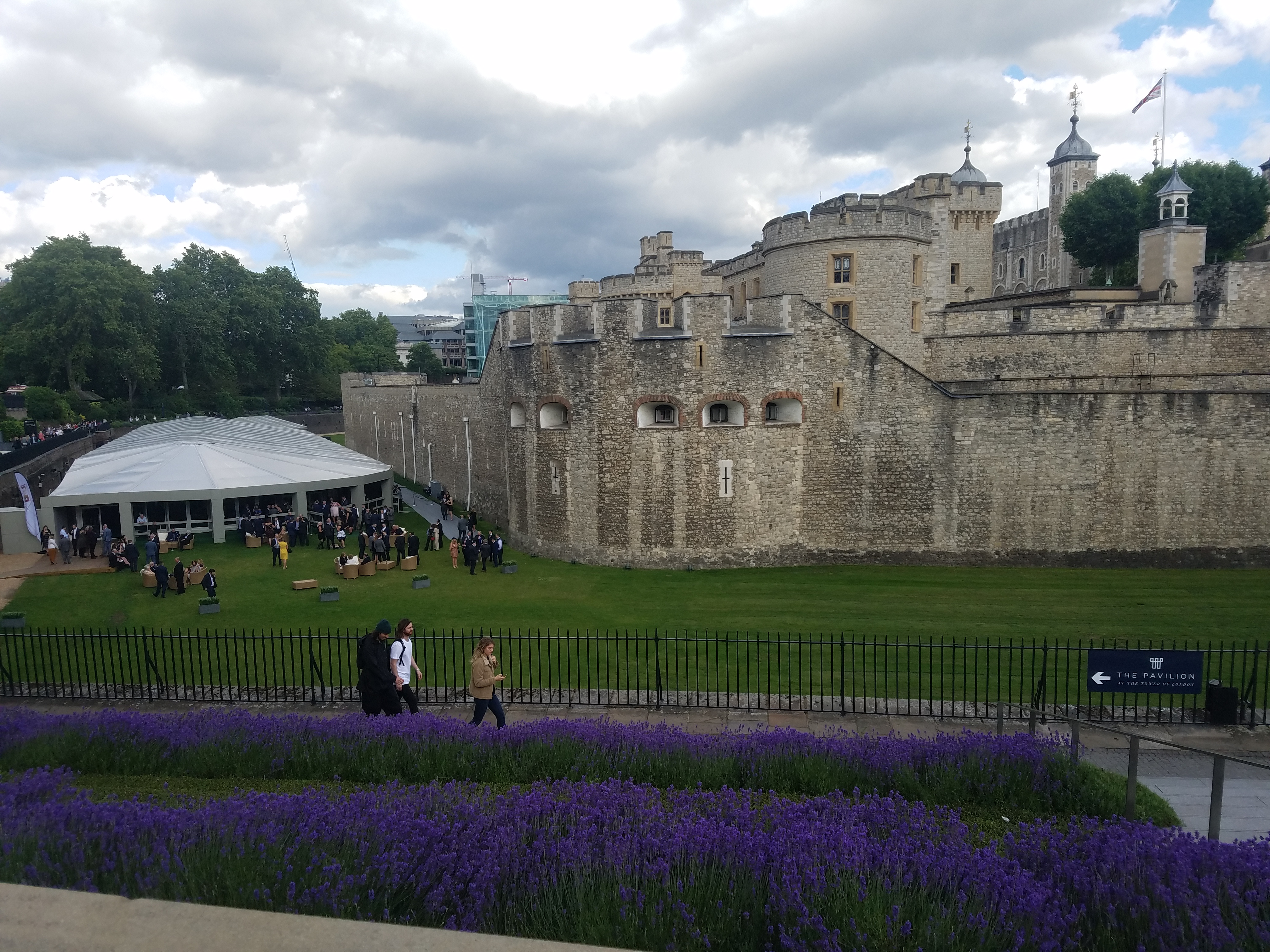
Viewing Area for the London Tower

We had lunch on Tower Hill where citizens could witness the historic beheadings at the London Tower. Between 1483 and 1941, twenty-two people were executed in the London Tower. Outside of the tower on Tower Hill, several hundred people were beheaded with large audiences until 1780. During our lunch, there was an event being held within the castle area where the moat would have been.

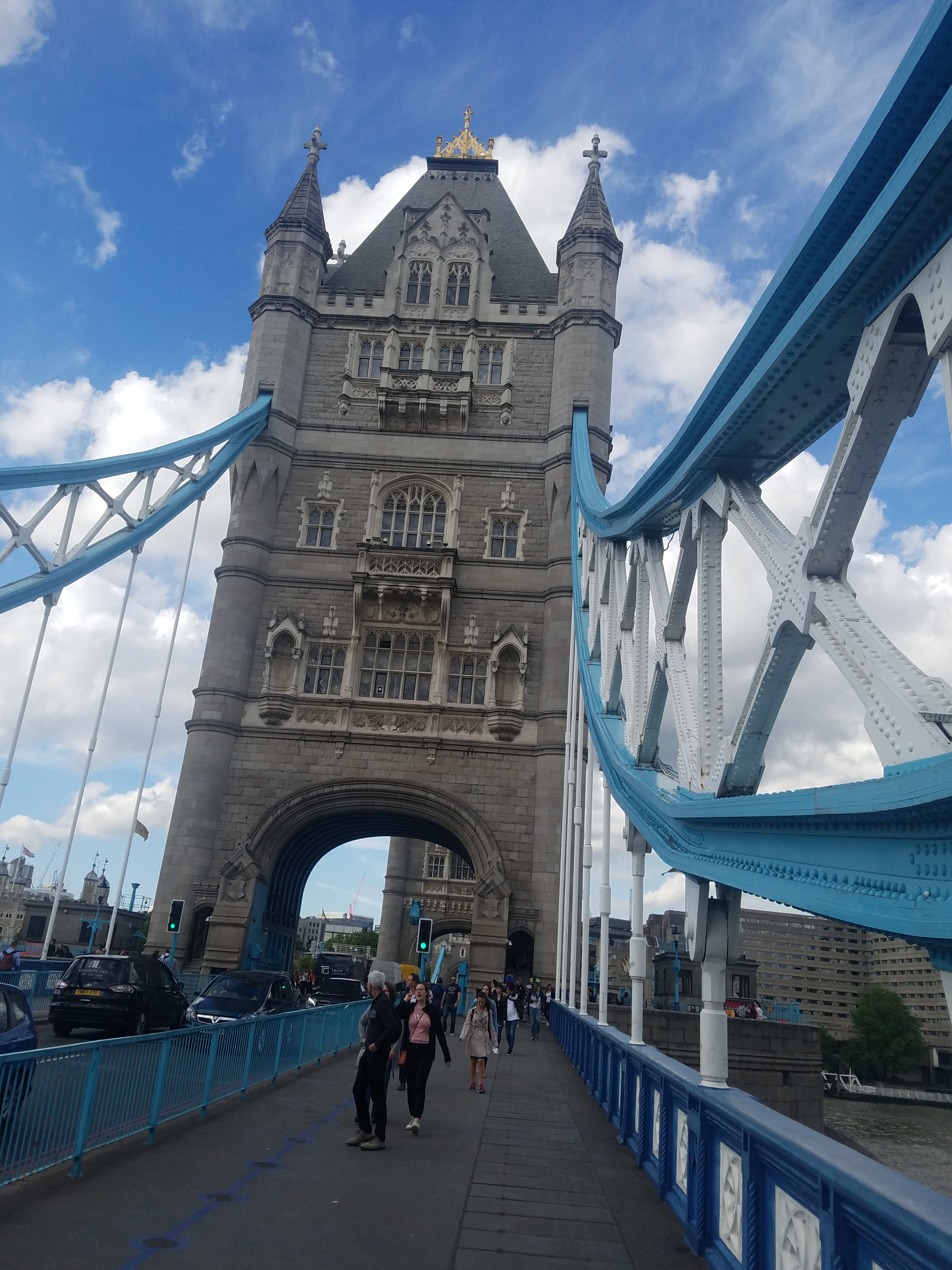
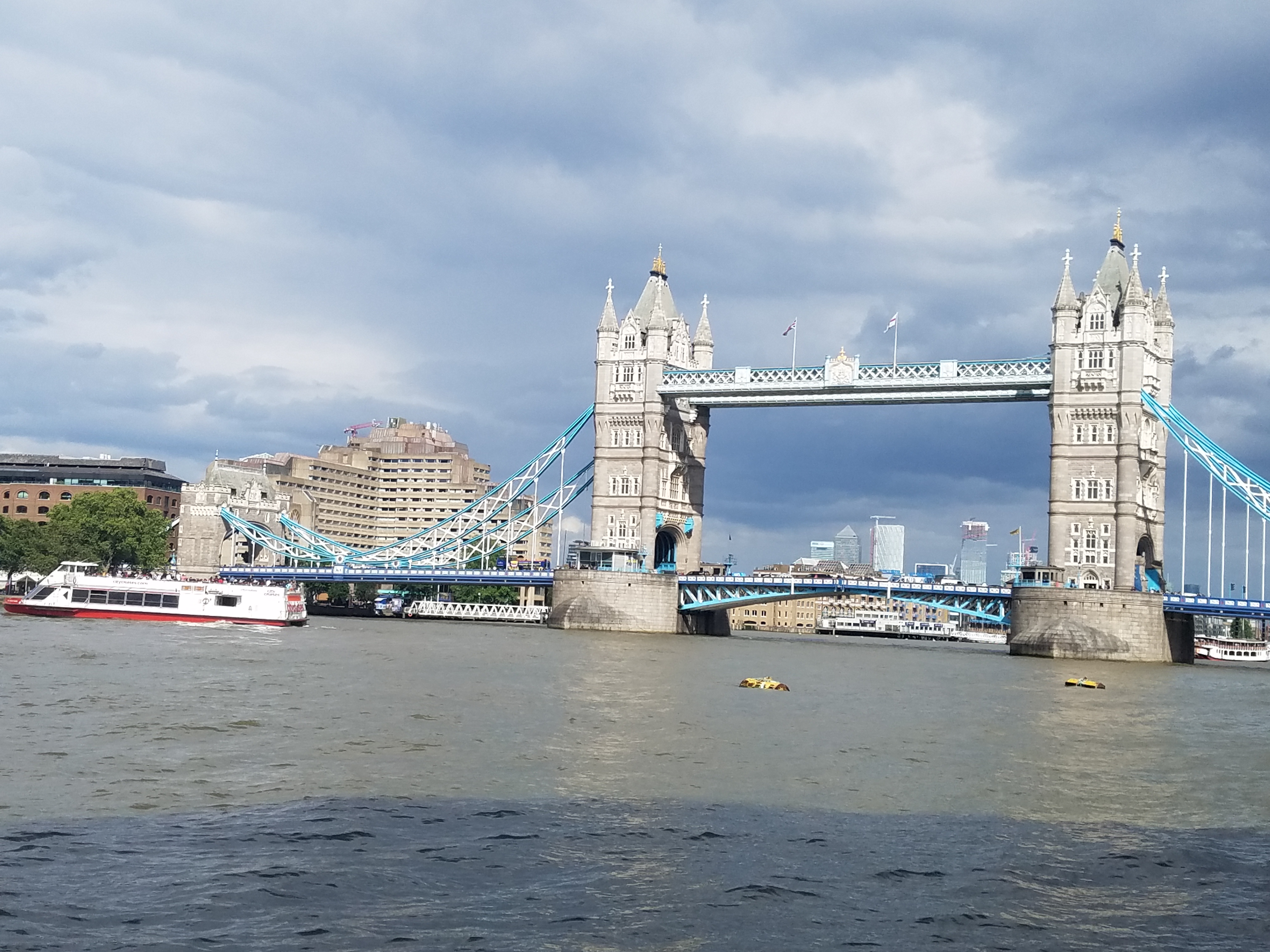
Crossing the Tower Bridge

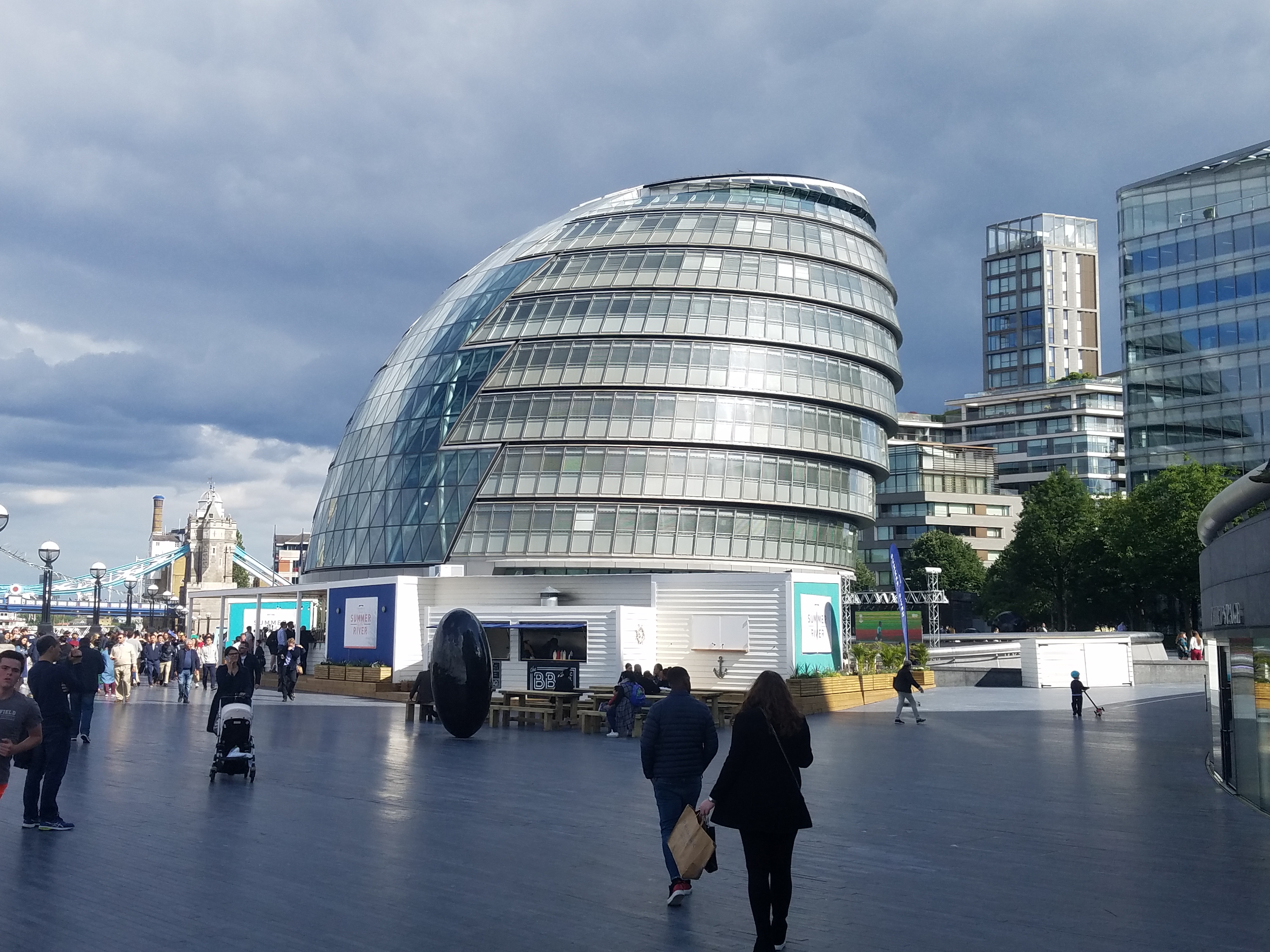
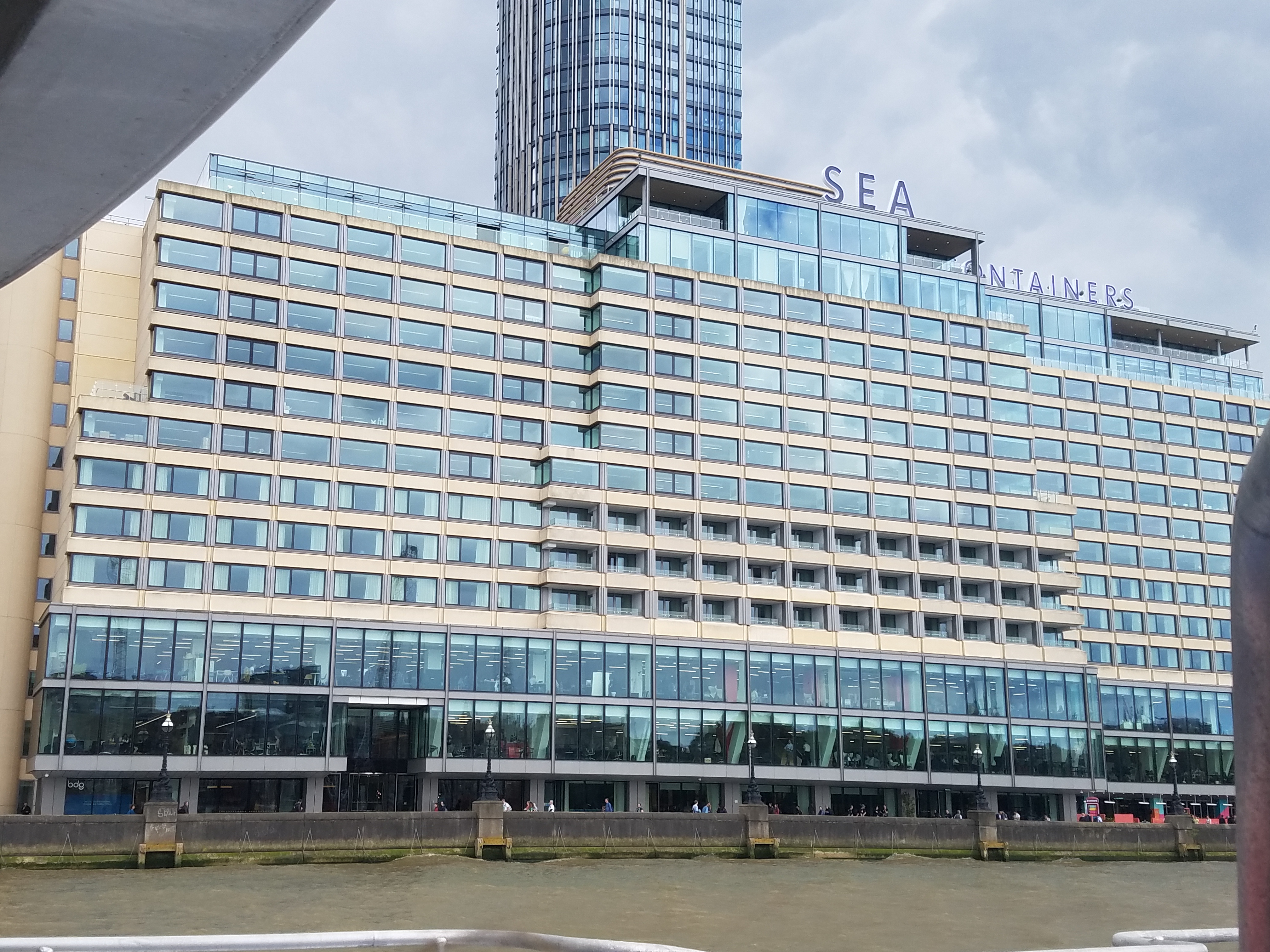
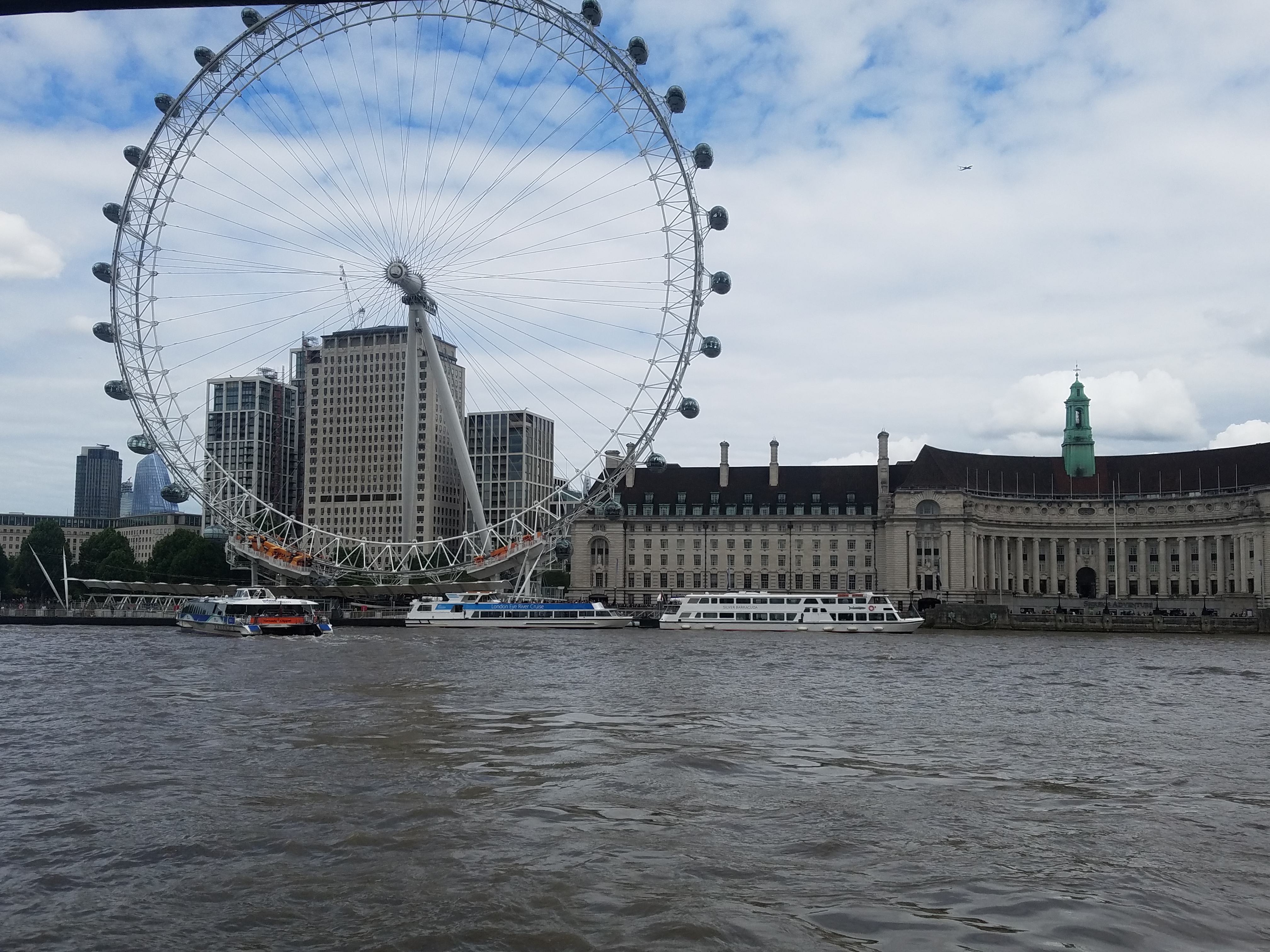
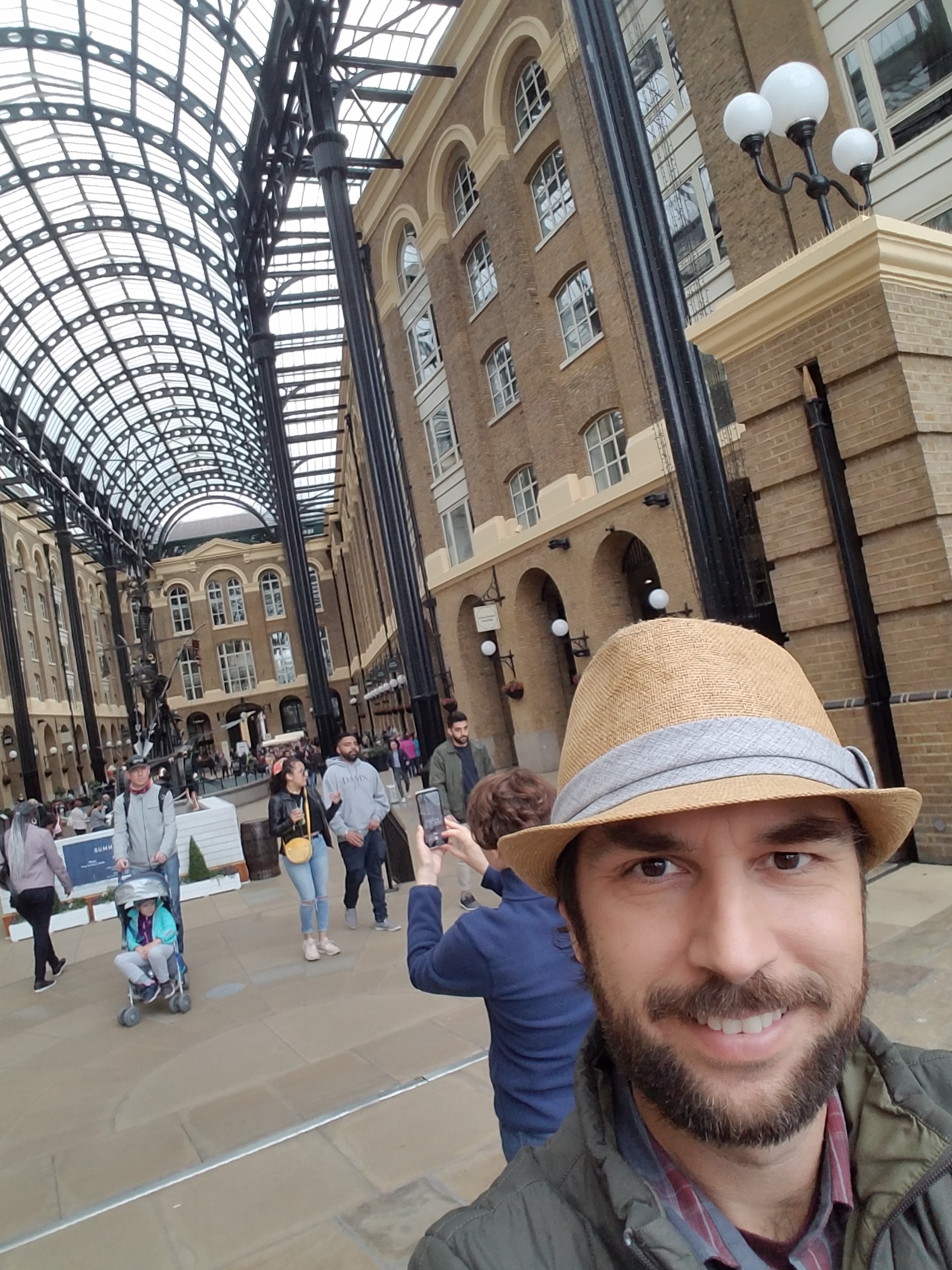
On our way to lunch, we crossed the Tower Bridge on our walk. We then decided to take a water taxi to the Greenwich area, where we saw the London Eye, the Mayors Building, and an old Container building now used as Condos.

The Mayor home and offices
Tower Bridge Via Water Taxi

We then strolled along the Thames river and found some interesting things along the way including the London Bridge, some clipper ships, and Hayes Warf.

Hayes Warf was created by Sir William Cubbit around 1850 which increased in popularity and became known as the ‘Larder of London’ due to the Warf’s productivity. By the end of the 19th century, the Warf imported 80% of London’s dry goods. Clipper Tea ships were the most common ships. The area in the photo above was where the ships would dock; the area is used as a mall in the present day. The information listed above was gleaned from public interpretation signs.

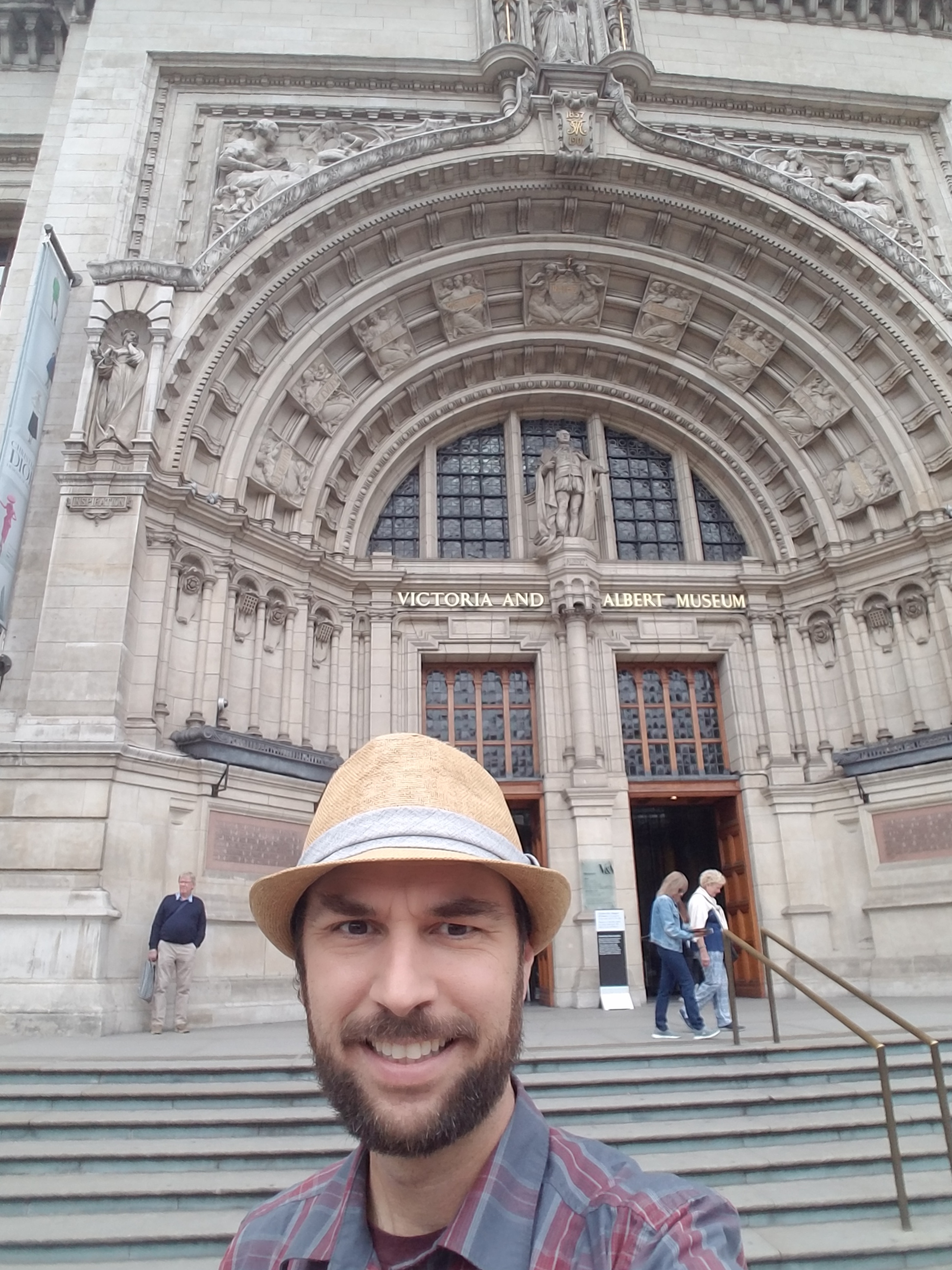
V and A Museum

We spent a long time investigating this museum. Prince Albert created the museum for the Great Exhibition of 1851. The museum’s purpose was to “educate designers, manufacturers and the public in art and design. (https://www.vam.ac.uk/articles/building-the-museum )” This museum was designed to inspire Britain’s industry. The pieces were chosen from all over the world.

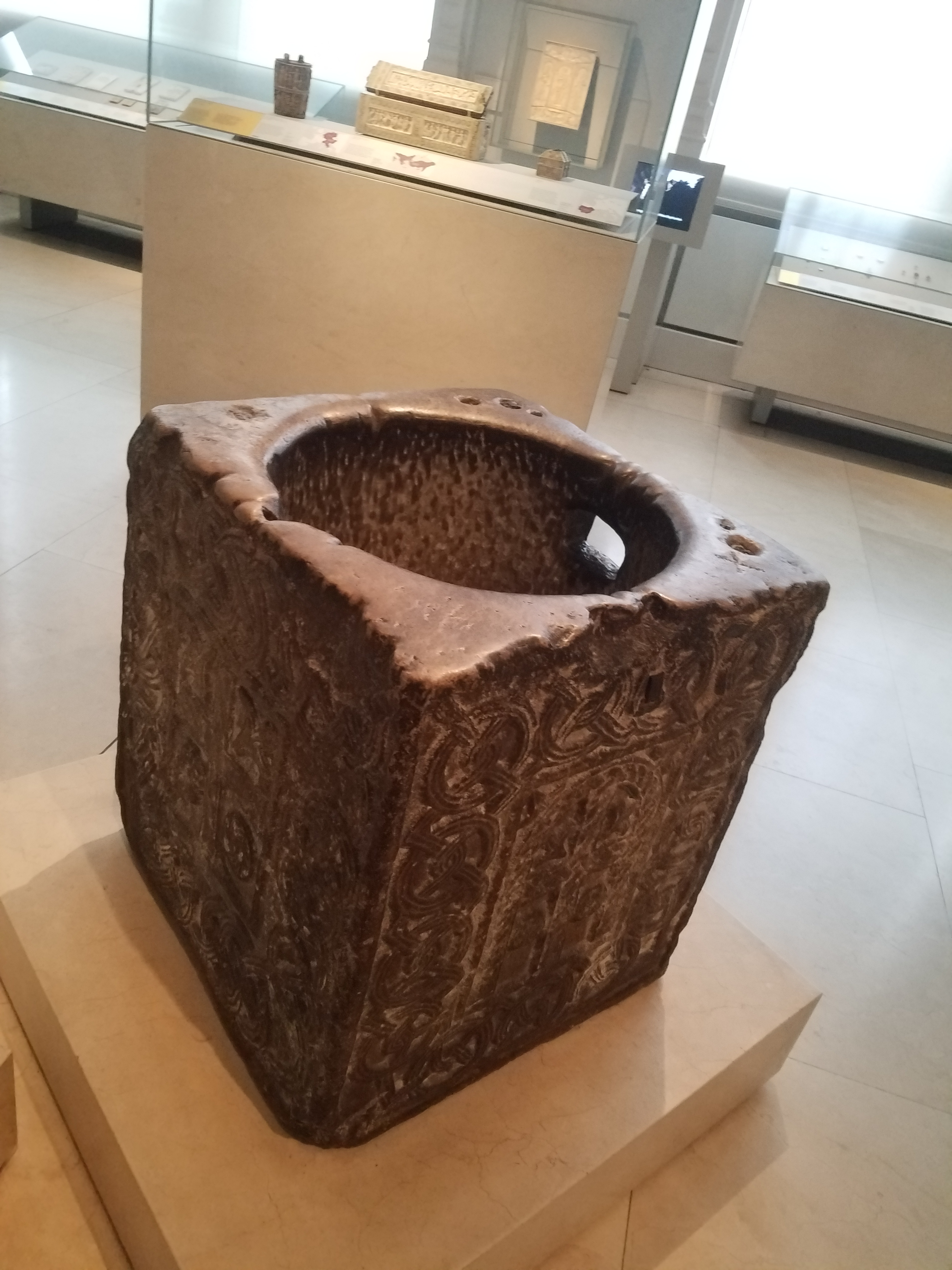
I took photo’s and notes on the exhibits I found inspiring inside the museum, which are listed below:

This is a wellhead from Venice from 800-900 A.D. The mouth of the well indicated allegiance to government and faith organizations. This particular well indicated that the town followed Christ under the Byzantine empire.

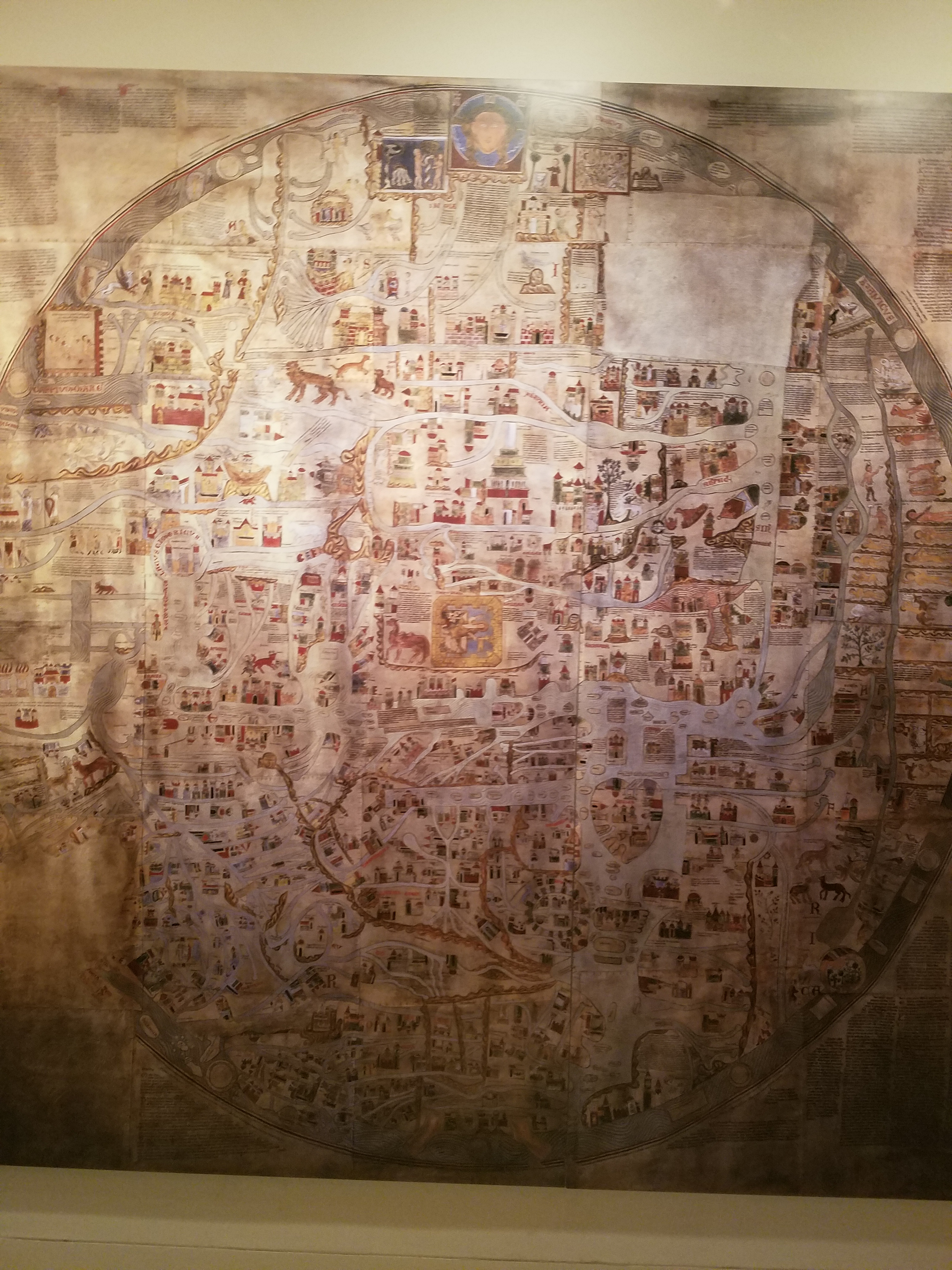
This is a world map from Germany Circa 1300

According to the information next to this exhibition, this map was created to show the human history of the world, not the geographic map of the world. The map depicts Christ’s head at the top of the map, his hands to the side and feet at the bottom, and his heart is featured in the middle as Jerusalem. The map did not show Australasia as they did not know this part of the world existed. The map was made out of animal hides sewn together.

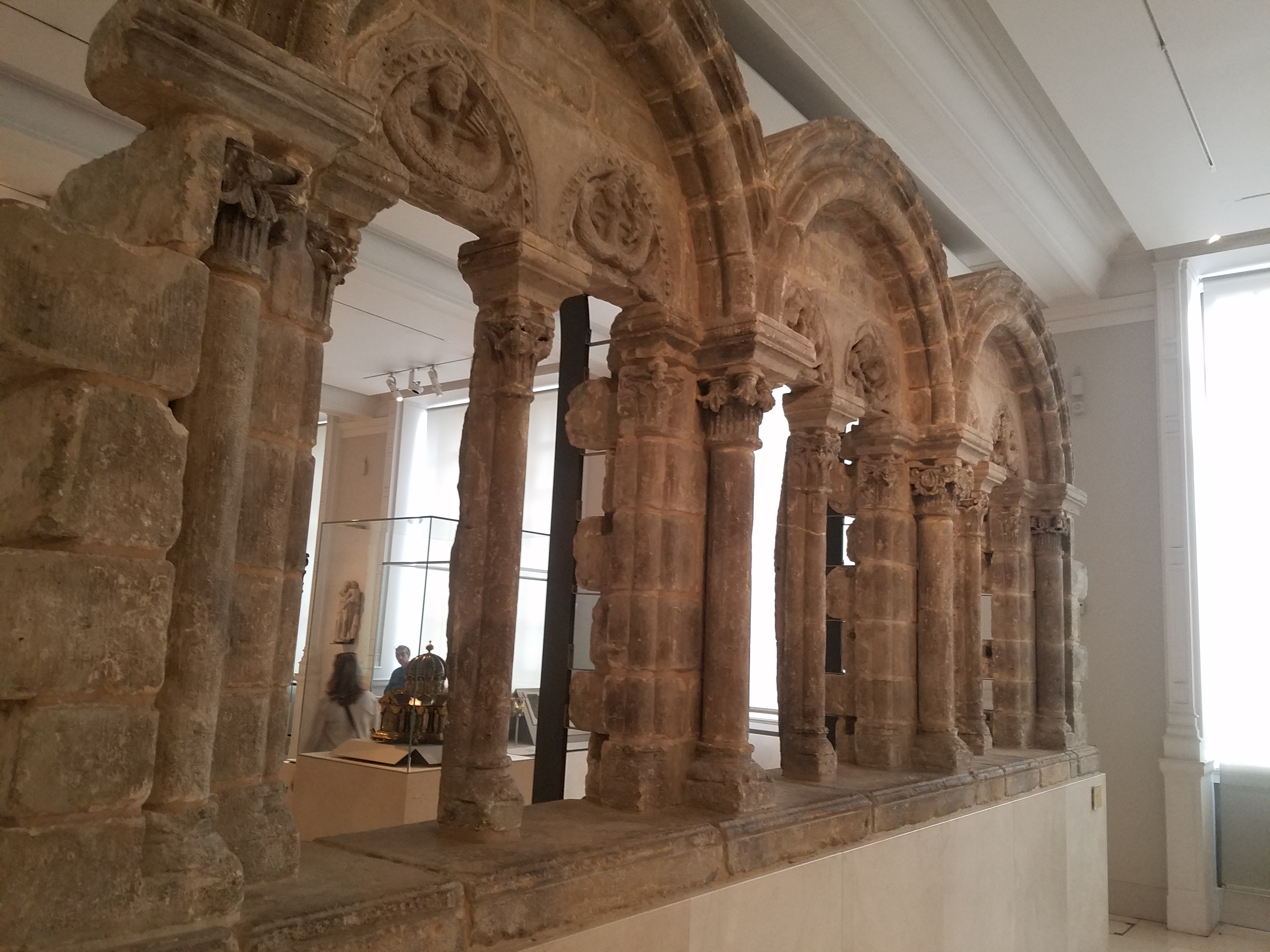
This was a copy of a window from around 1160 A.D. in Northern France. Made of Limestone, this window was used in common houses of the time. The reliefs on the window depict mythical beasts, sirens, centaurs and basilisks.

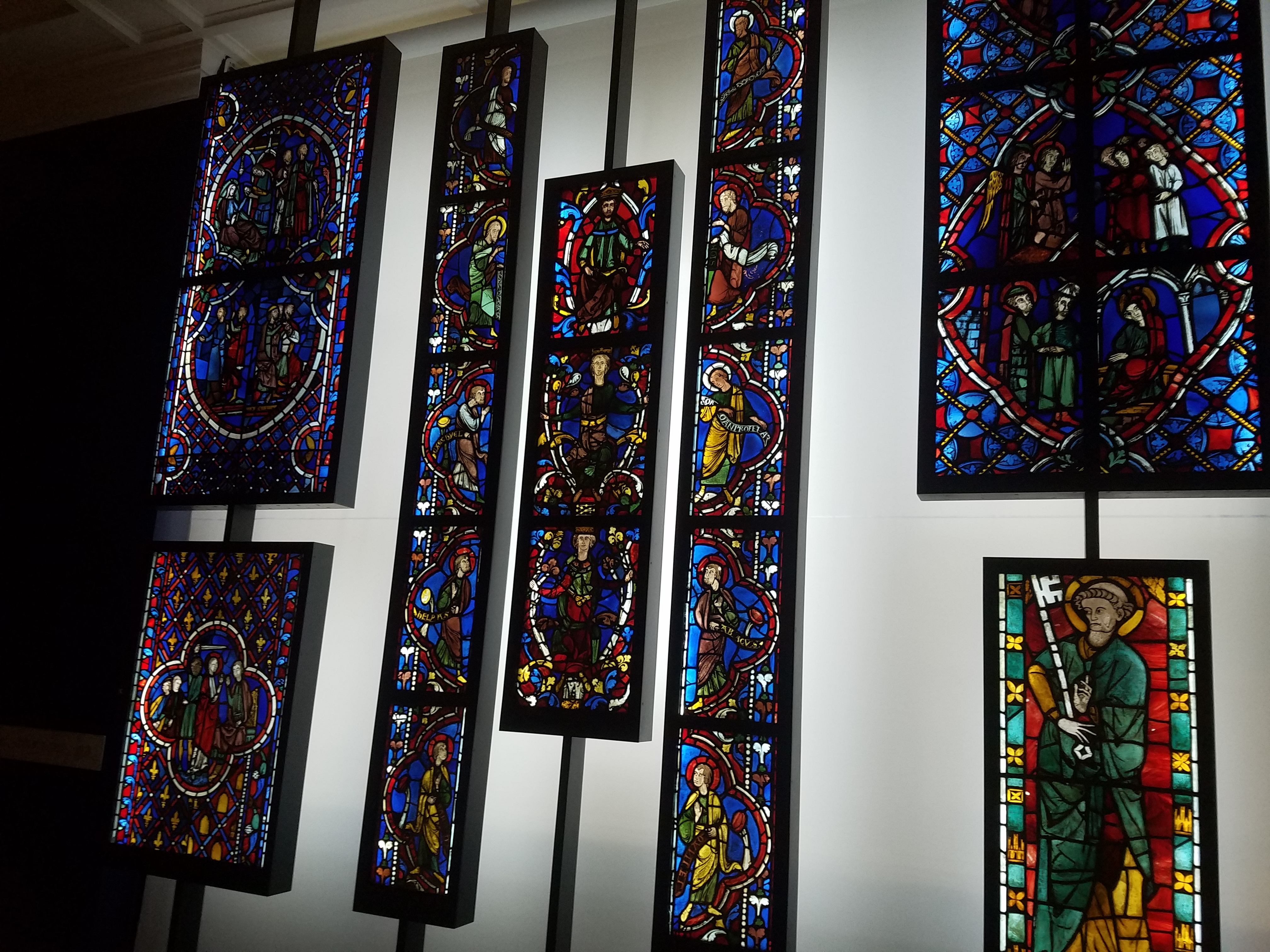
Scenes of the life of the Virgin Mary, 1350 Austria

This collection of stain-glass was collected as an example of Gothic glass-work. I found this piece appealing because it was influenced by French artists and Italian Painters according to the exhibit.

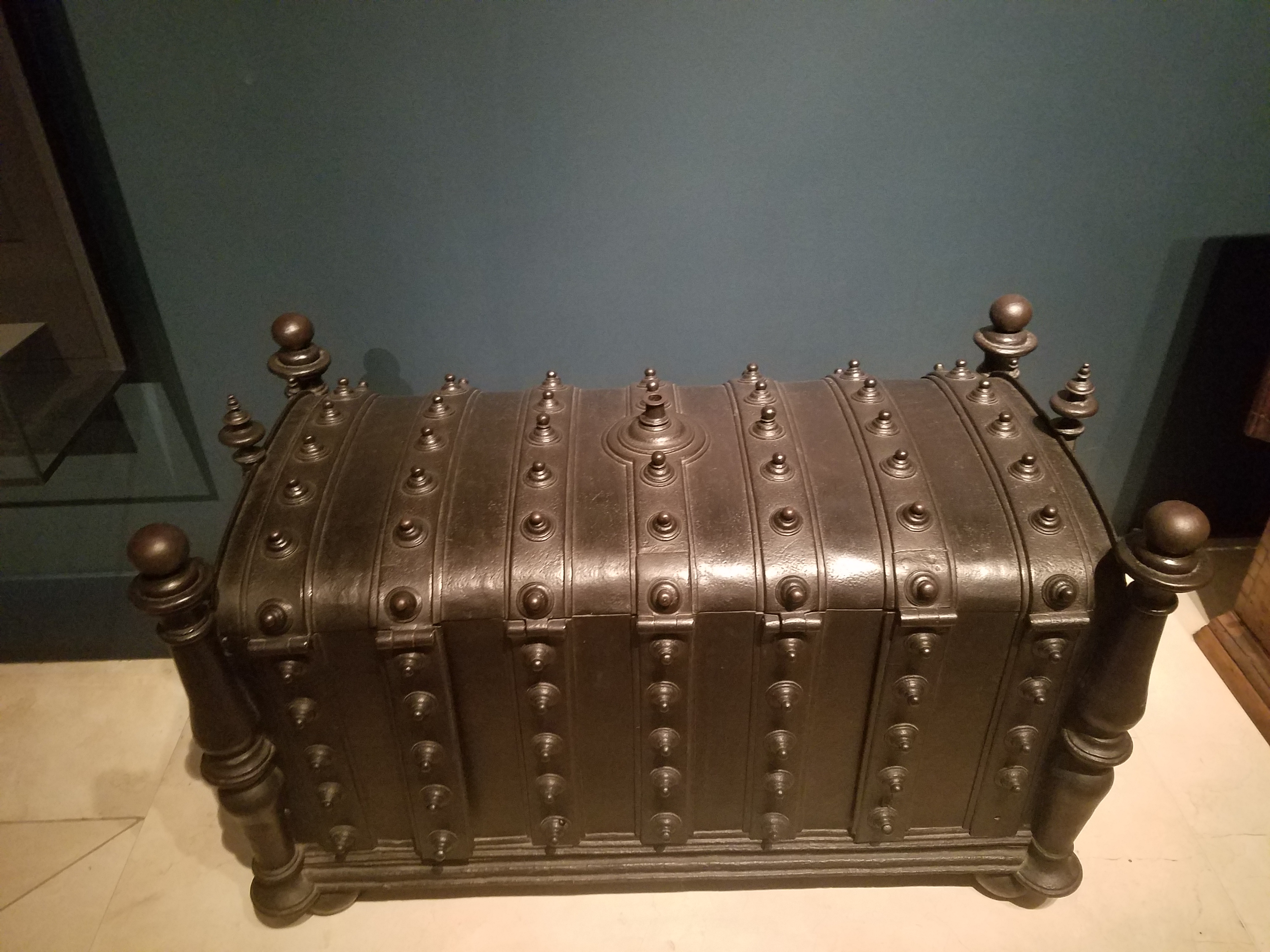
Strongbox from Southern Netherlands (Belgium) 1500 A.D

This strongbox, made of Iron weighs 441 pounds, was used to store important documents of the time. It contained a hidden button that released three keyholes. One of the keyholes releases an internal bolt that opens the box.

A day in London’s Natural History Museum

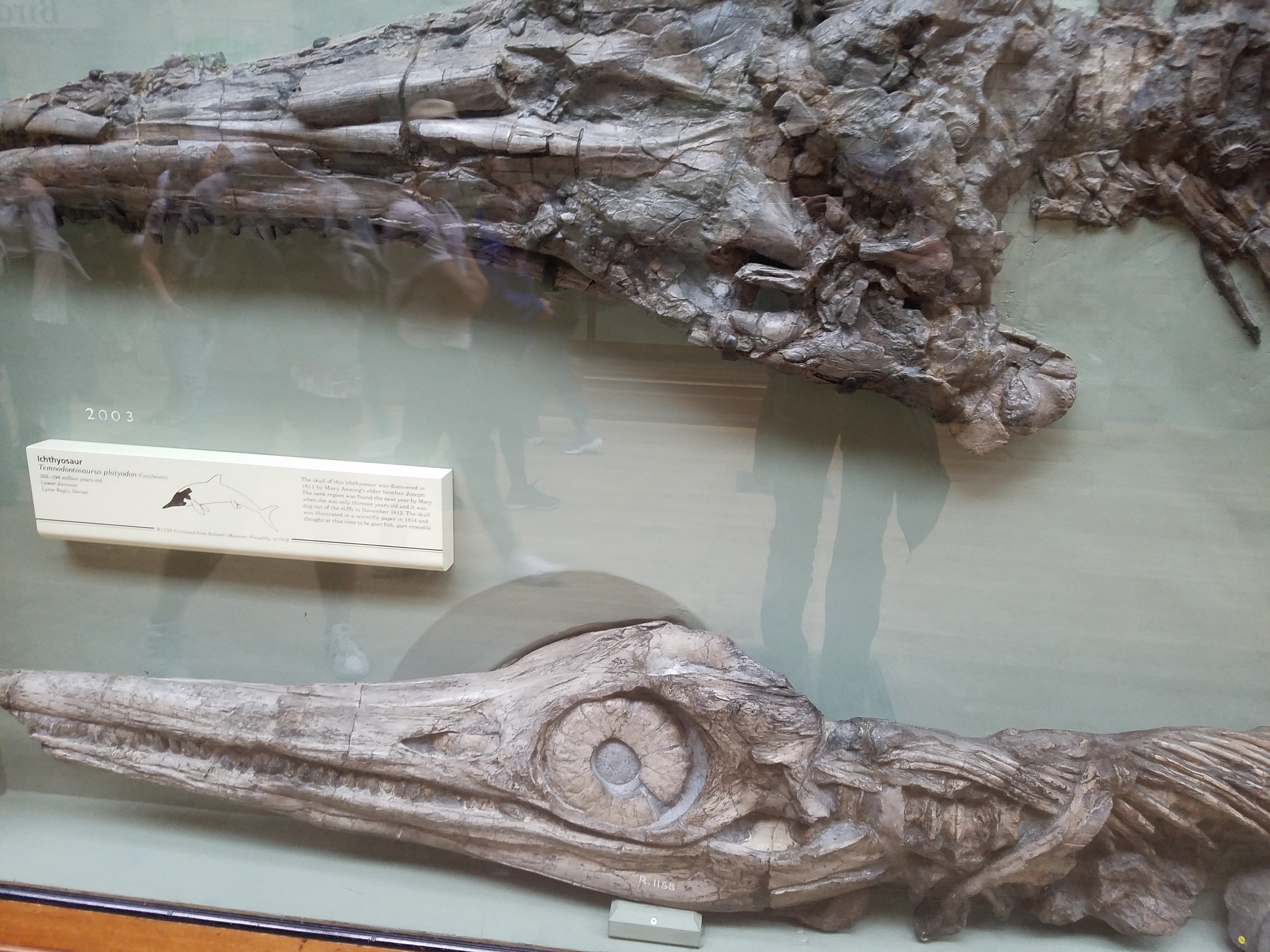
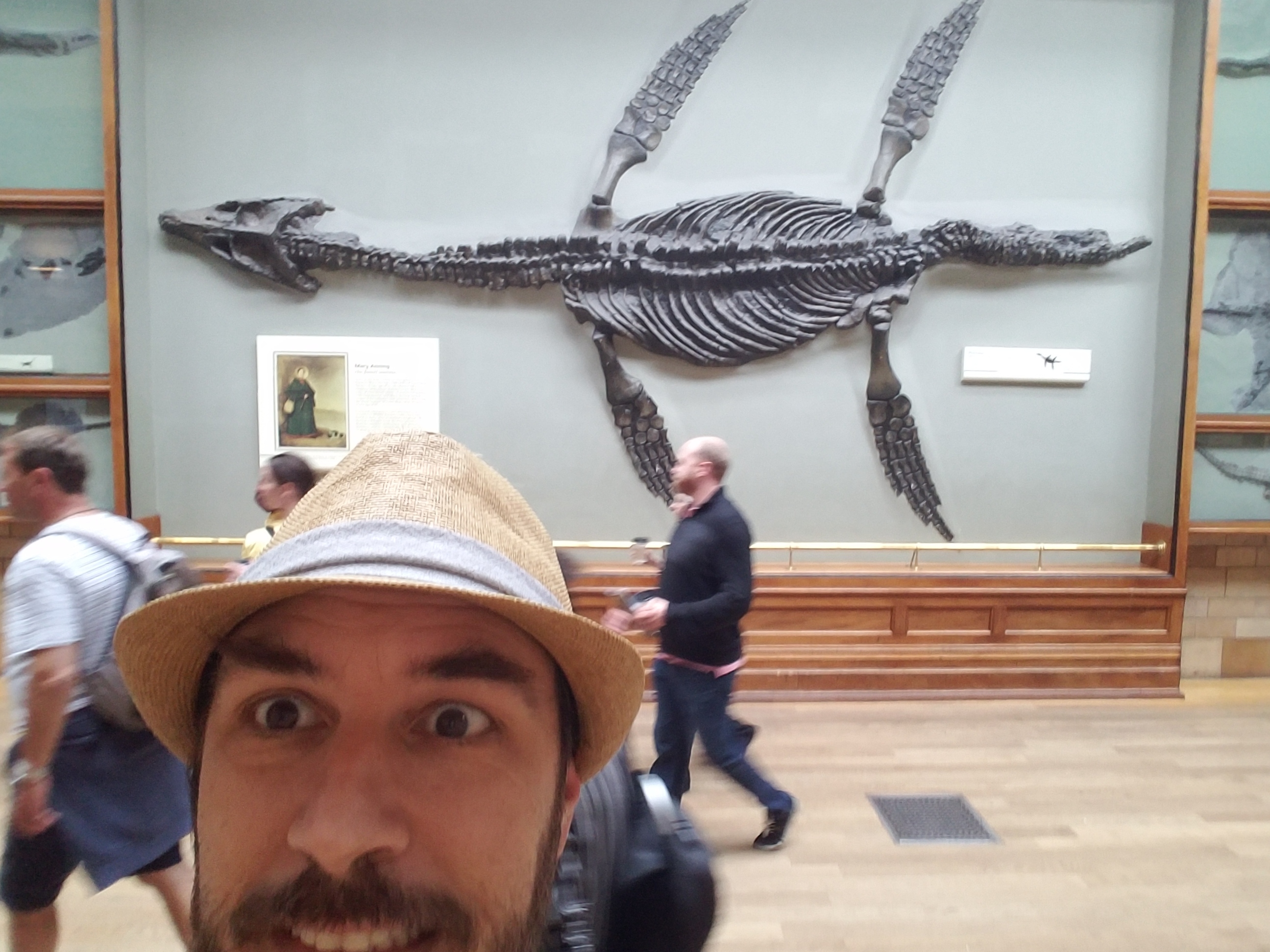
The Natural history Museum in London is free, and apparently, Pliosaurs were residents in the waters off of prehistoric UK once upon a time!

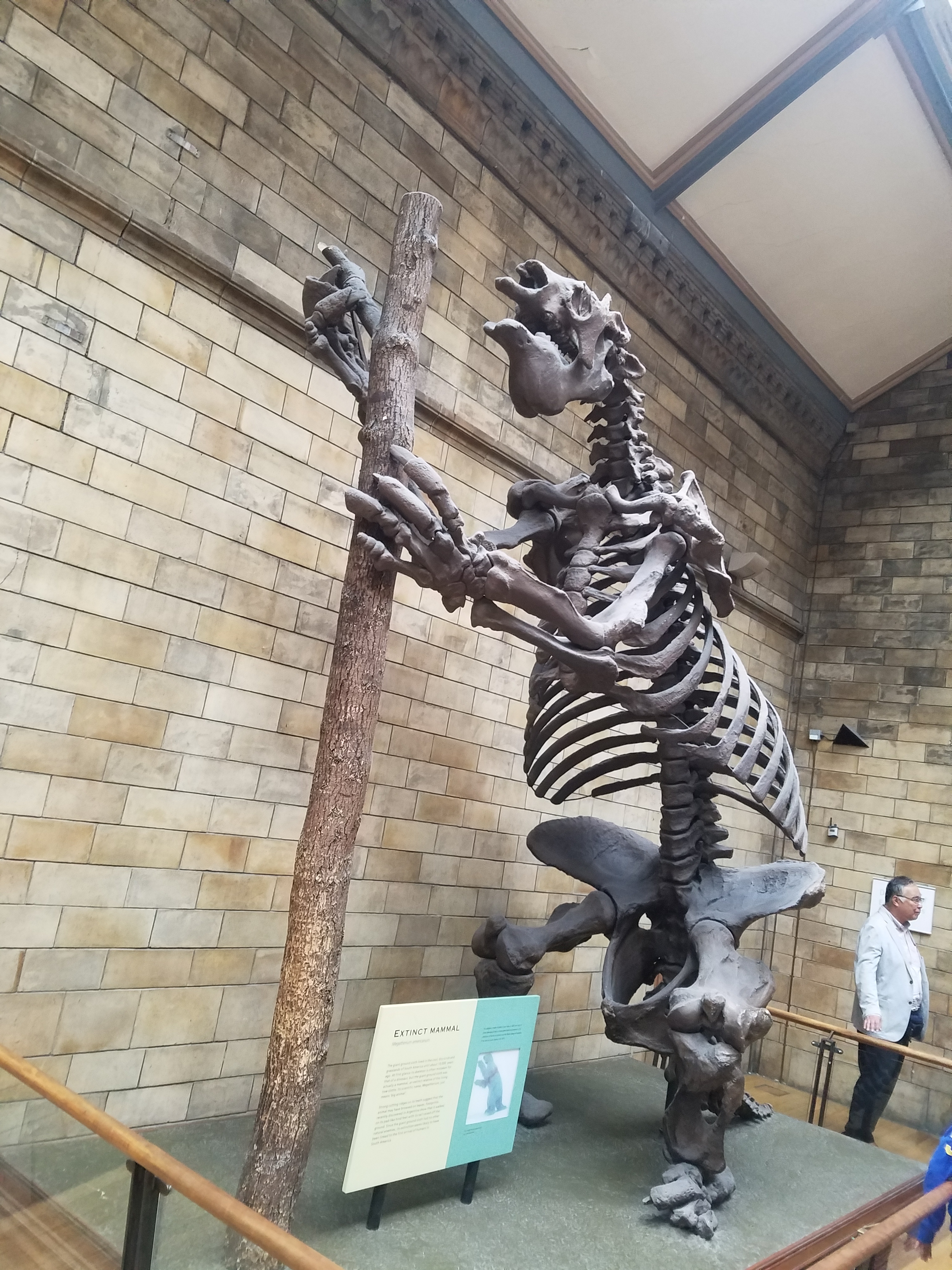
Of the many exhibits at the natural history museum in London, the fossil exhibit was the most spectacular in that it contained a wide variety of fossils I had never seen before, and it was local to the area that I was visiting in. Many exhibits in the museum had broad historical information about igneous rocks, minerals, birds, and plants, but the fossil exhibit painted a picture of what life was like millions of years ago where I visiting. To synthesize this information when walking around town seeing historic buildings from 700+ years ago puts the amazing history of the world in perspective. I also discovered a giant ground sloth bigger than the biggest grizzly bear in this museum, along with a relative of a present day dolphin.

A Giant Ground Sloth

A giant relative of the present day dolphin

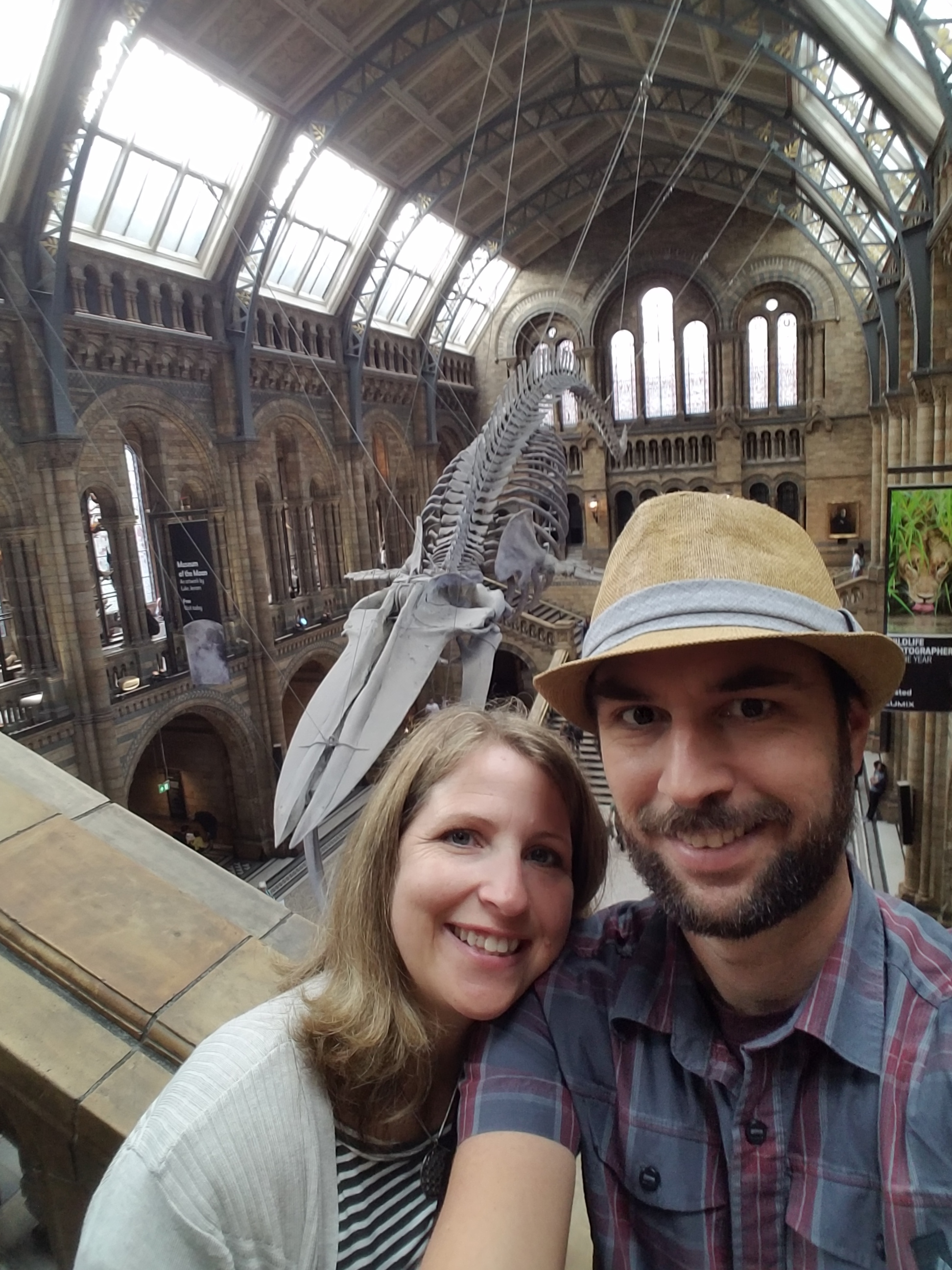
The main attraction in this museum was the gigantic Blue Whale skeleton hanging from the amazingly beautiful natural history museum.

Blue Whale hanging in the Natural History Museum in London

About the Author

Mr. Jon Moyer is a Special Education Teacher in San Bruno Park School District in San Bruno, California, U.S.A. He traveled to the U.K and Paris to learn about the history and current culture and take elements of what he learned to design writing assignments from the pictures and the history of the areas in comparison to similar places of cultural similarities in the U.S. Mr. Moyer is determined in showing different perspectives to his students and to foster a sense of inclusion and belonging.

Design a site like this with WordPress.com
Get started