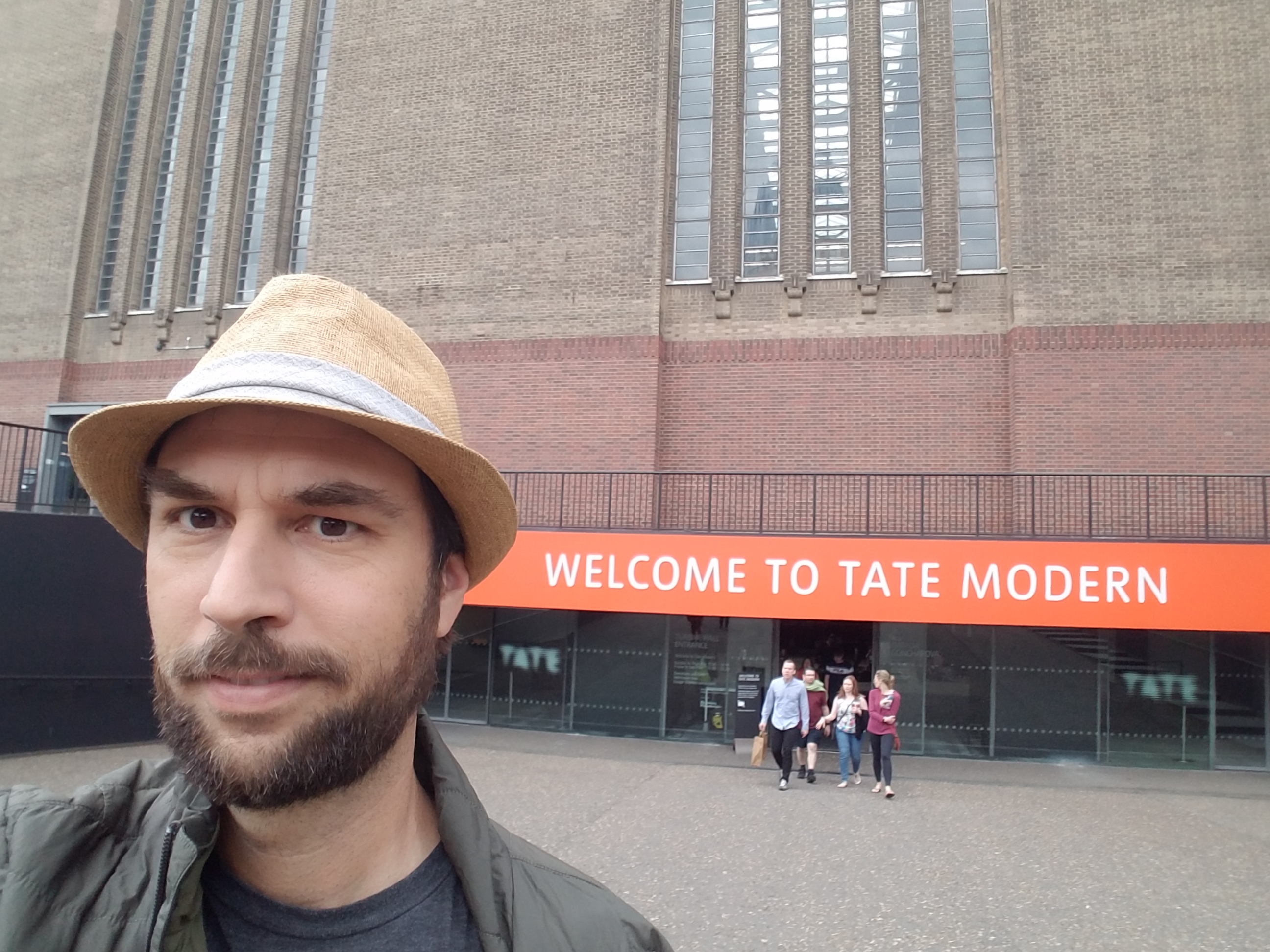
Tate Modern and St. Paul’s Cathedral are next to each other, so we spent a day in these two amazing buildings. The Tate Modern was free, and the St. Paul’s Cathedral cost 25 Euro’s to enter with audio tour. We first went to the Tate Modern, and climbed up to the observatory to see London from above.
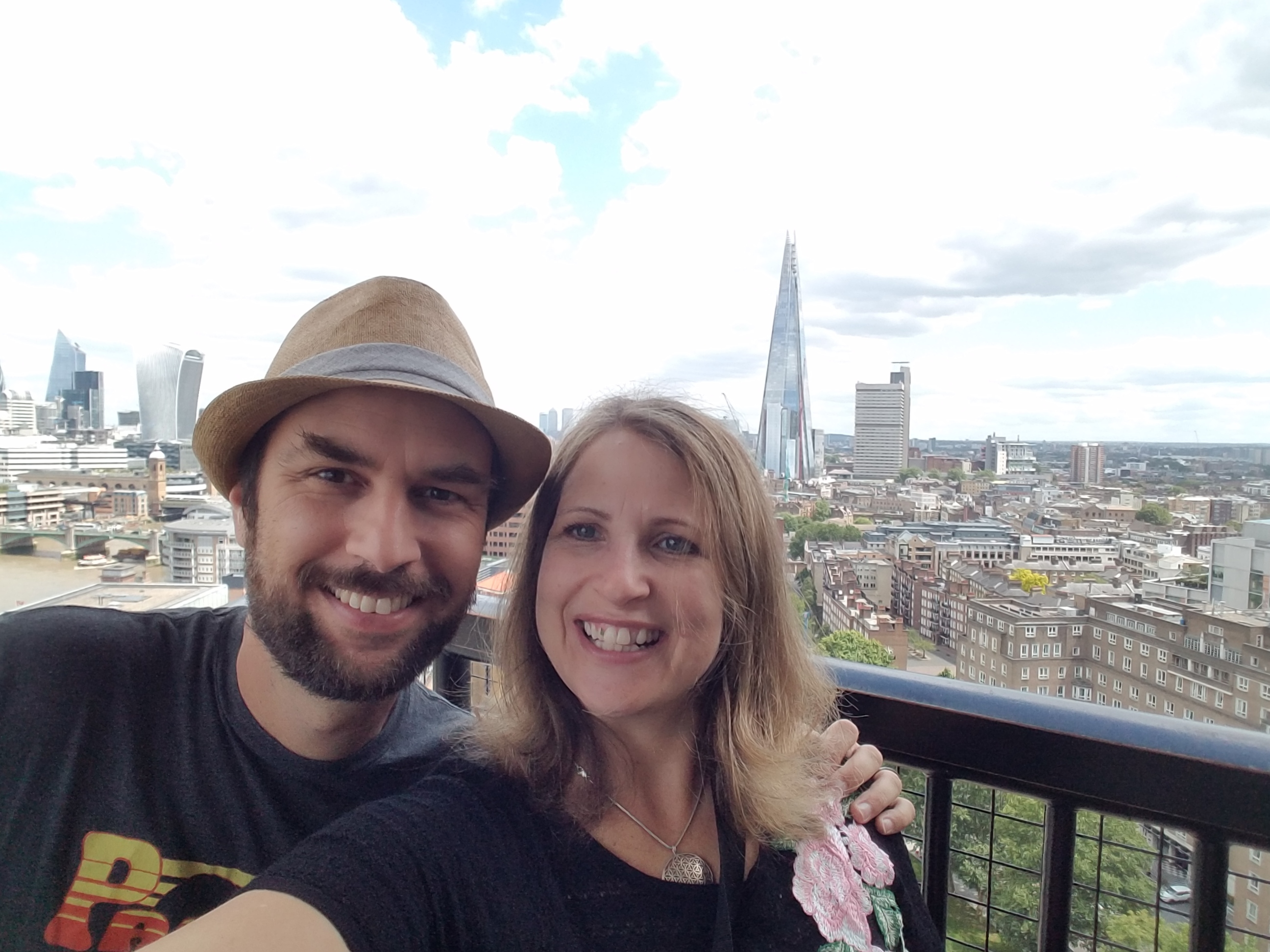
We first went to the Tate Modern, and climbed up to the observatory to see London from above. The information listed below in describing the pieces of art come from the interpretation materials inside the museum and public tours.
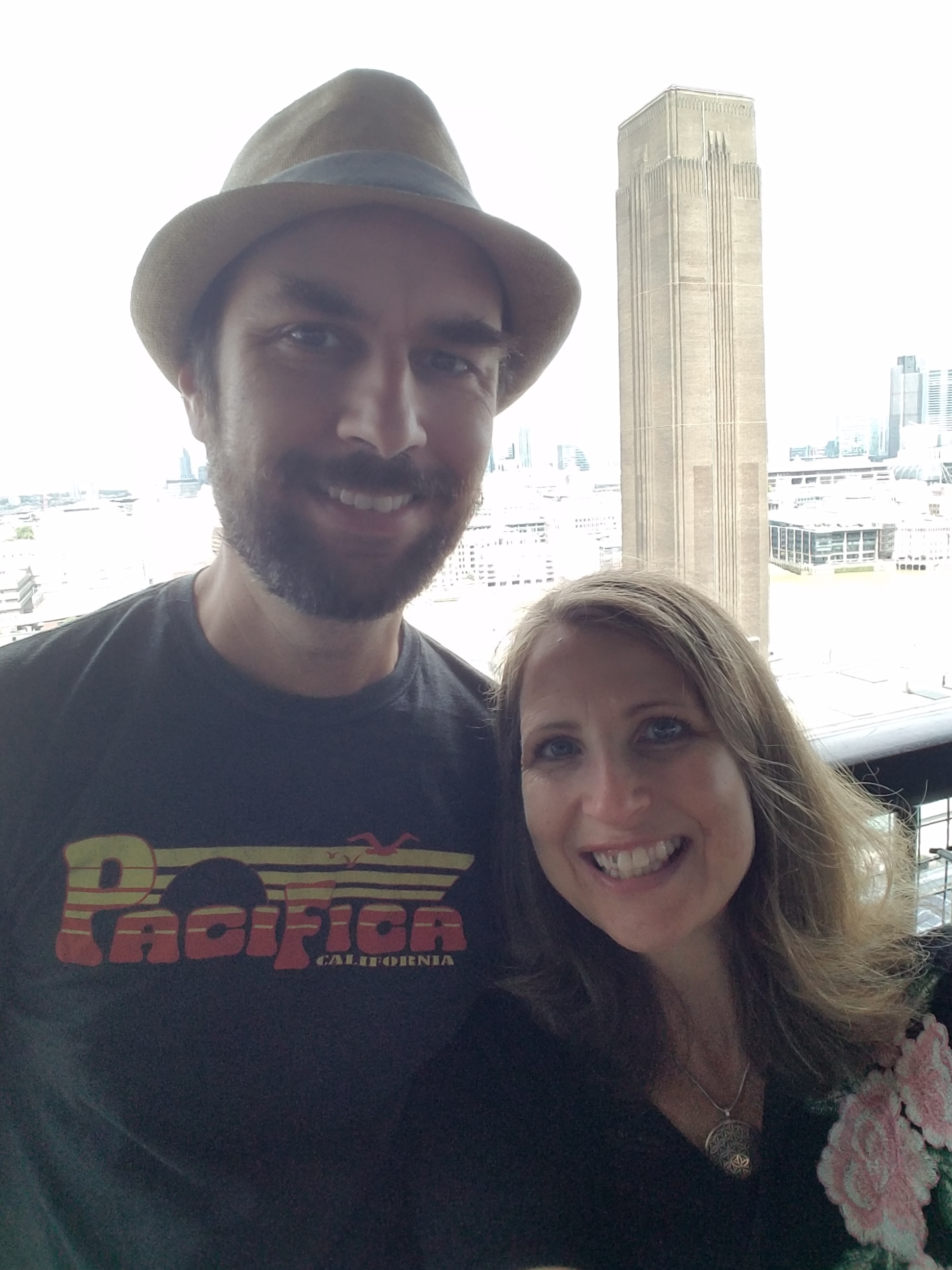
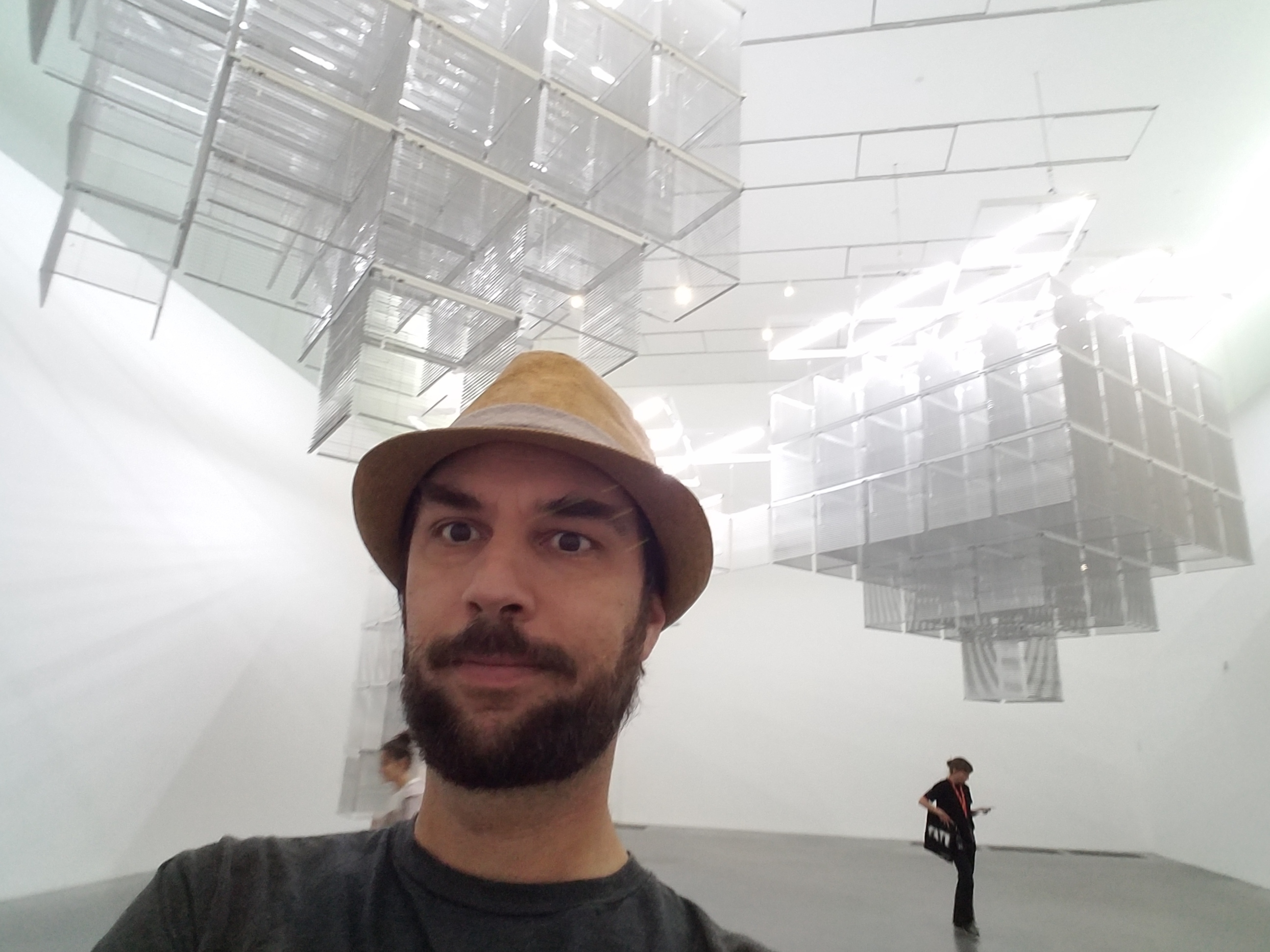
This piece of art was inspiring to me as its architectural design and light reminded me the root of a giant skyscraper. While reading more about the piece, I realized that it was made up of over 500 Venetian Blinds. It was created in 2015 By Heague Yang that referenced a previous sculpture in 1986 called “Structure with three towers” by Sol LeWitt. Haegue Magnified the sculpture three times, suspended the towers upside down, and divided it into three parts. This artwork plays with the idea of authorship and originality as she borrowed LeWitt’s rules in making the original structure. The structure also brings in ideas of privacy and visibility.
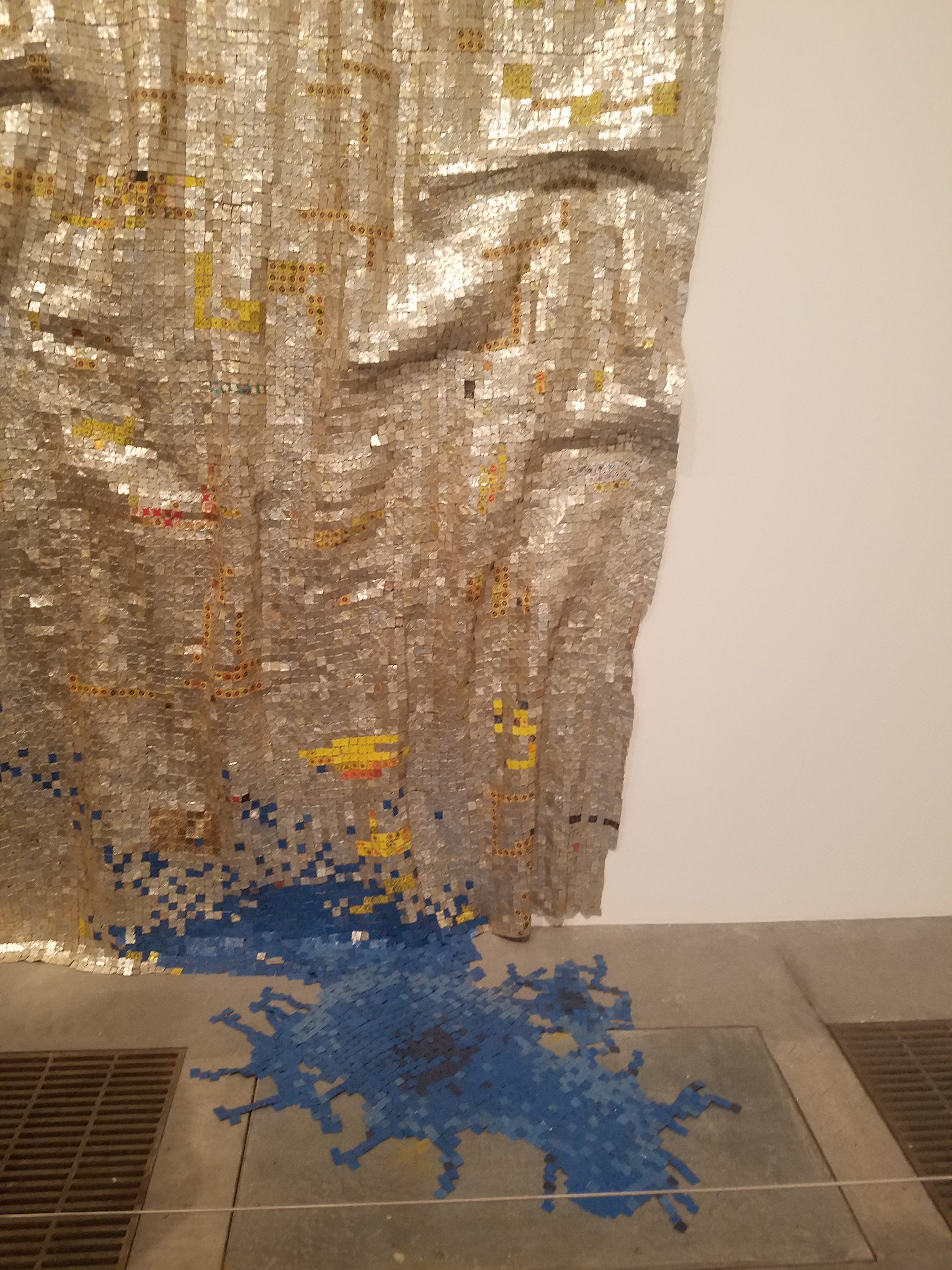
I enjoy this piece of artwork because it looks like it took a long time weaving these metal materials into one piece of artwork. The fact that part of it is splashing on the floor is exciting to me because it isn’t only using one wall from a museum, but also the floor. It was created by taking bottle caps, smashing them until they are flat, and then weaving them together with copper. The materials in this piece are copper and Aluminum, and the entire piece resembles a abstract piece of art. My favorite part of the art piece was this bottom portion. The piece was very difficult to photograph as it was very large.

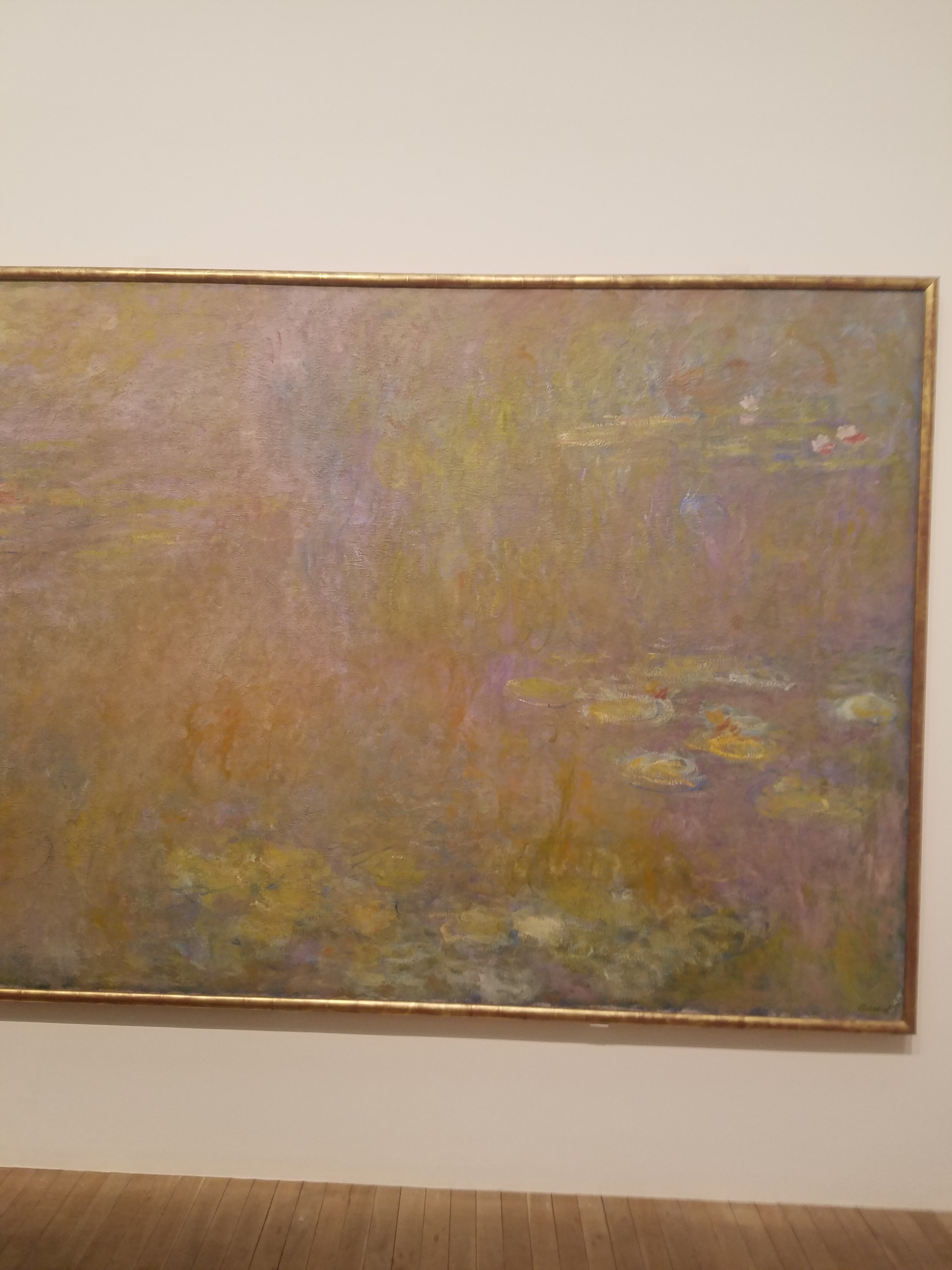
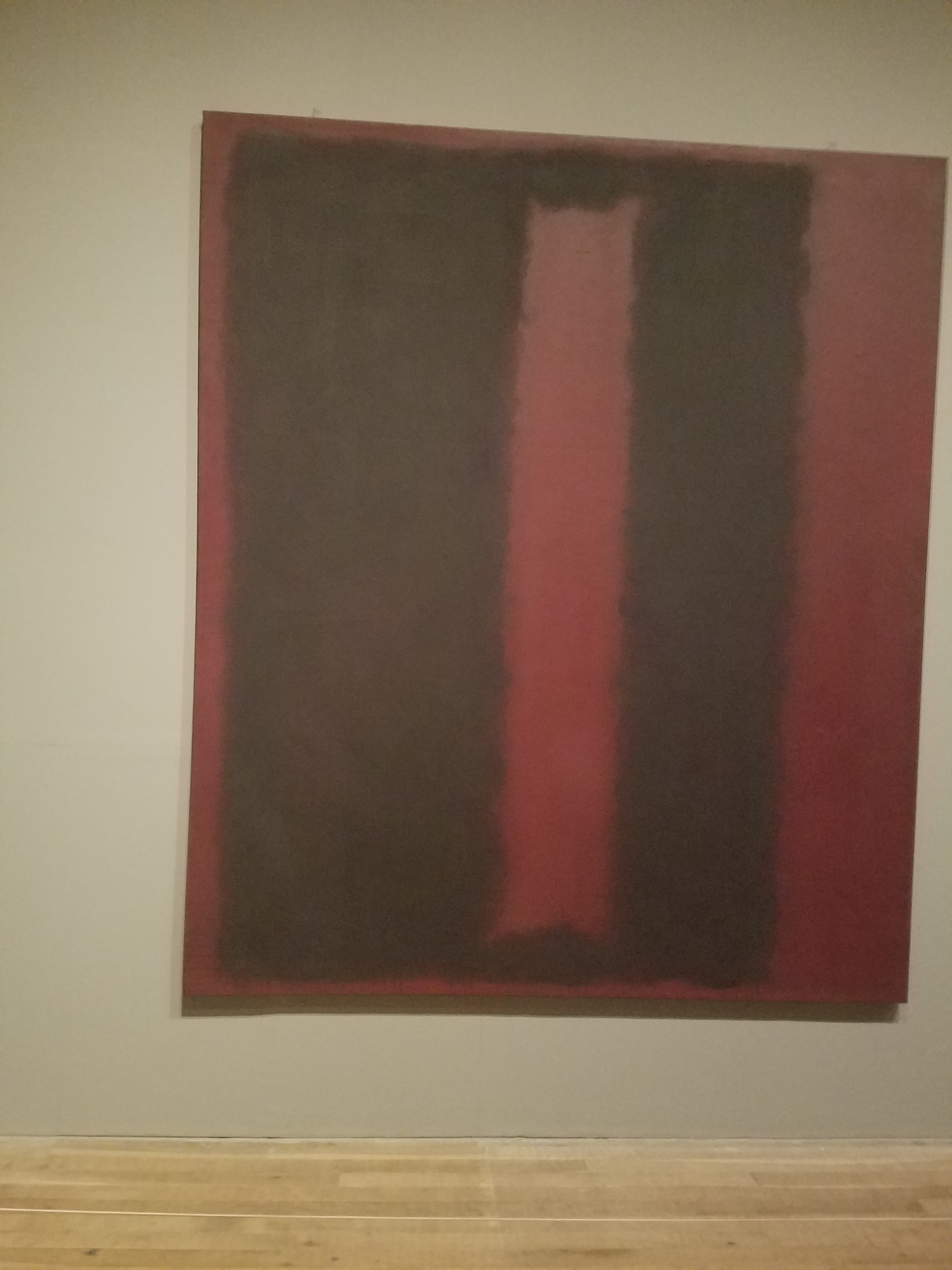
Claude Monet was Ill in Normandy in the 1950’s when he drew inspiration from a pond of lilies. Mark Rothko found inspiration in his water lily paintings as he was interested in his paintings delivering a singular human emotion.
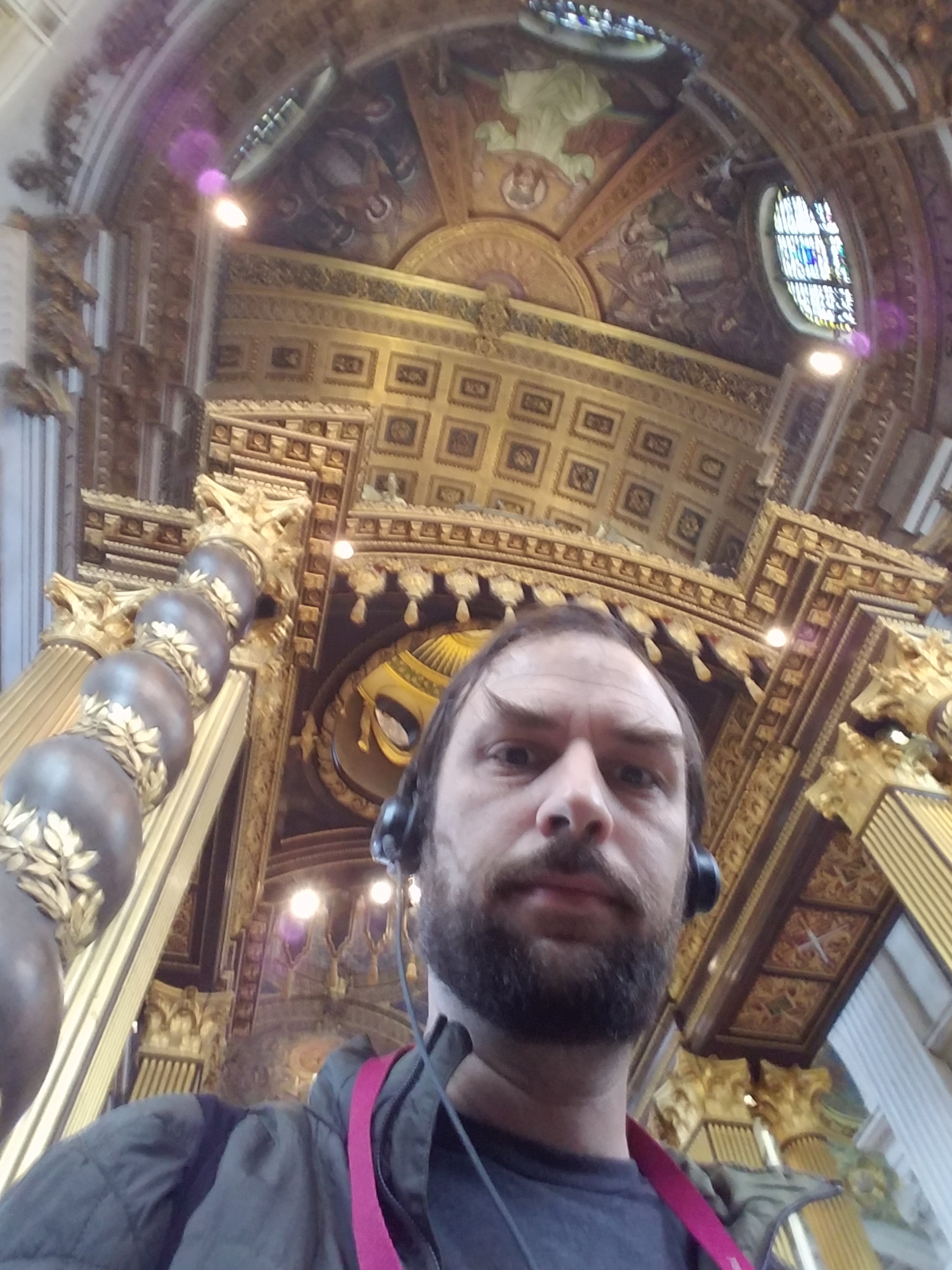
The inside of St. Paul’s Cathedral was stunning; there were multiple layers of embellishments, paintings, and fancy decorations. The most extensive being the mosaics that were not originally installed in the building. The original design in the church was black and white and very austere. The queen thought it was boring and so they hired someone to install mosaic tiles. At first people thought it was gaudy and insulted the original design. The color and scale of the mosaics are stunning. The one feature in the church that was not very ornate was the Naive. The reason of this was not to draw attention away from the purpose of the object which was baptizing people.
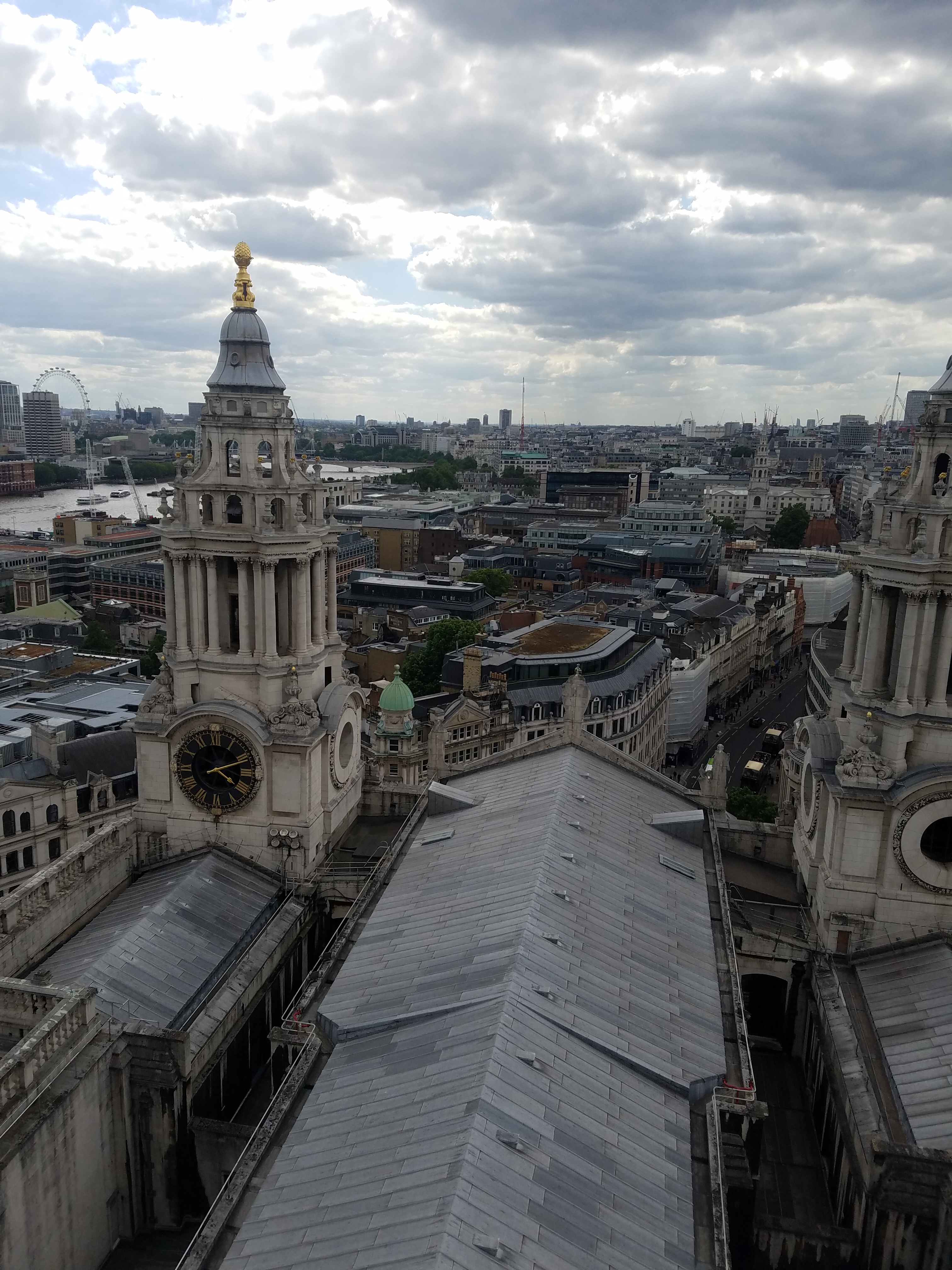
The experience climbing up the steep spiraling stone steps up to the top of St. Paul’s Cathedral was strenuous. Many visitors appeared to be dizzy and short of breath.
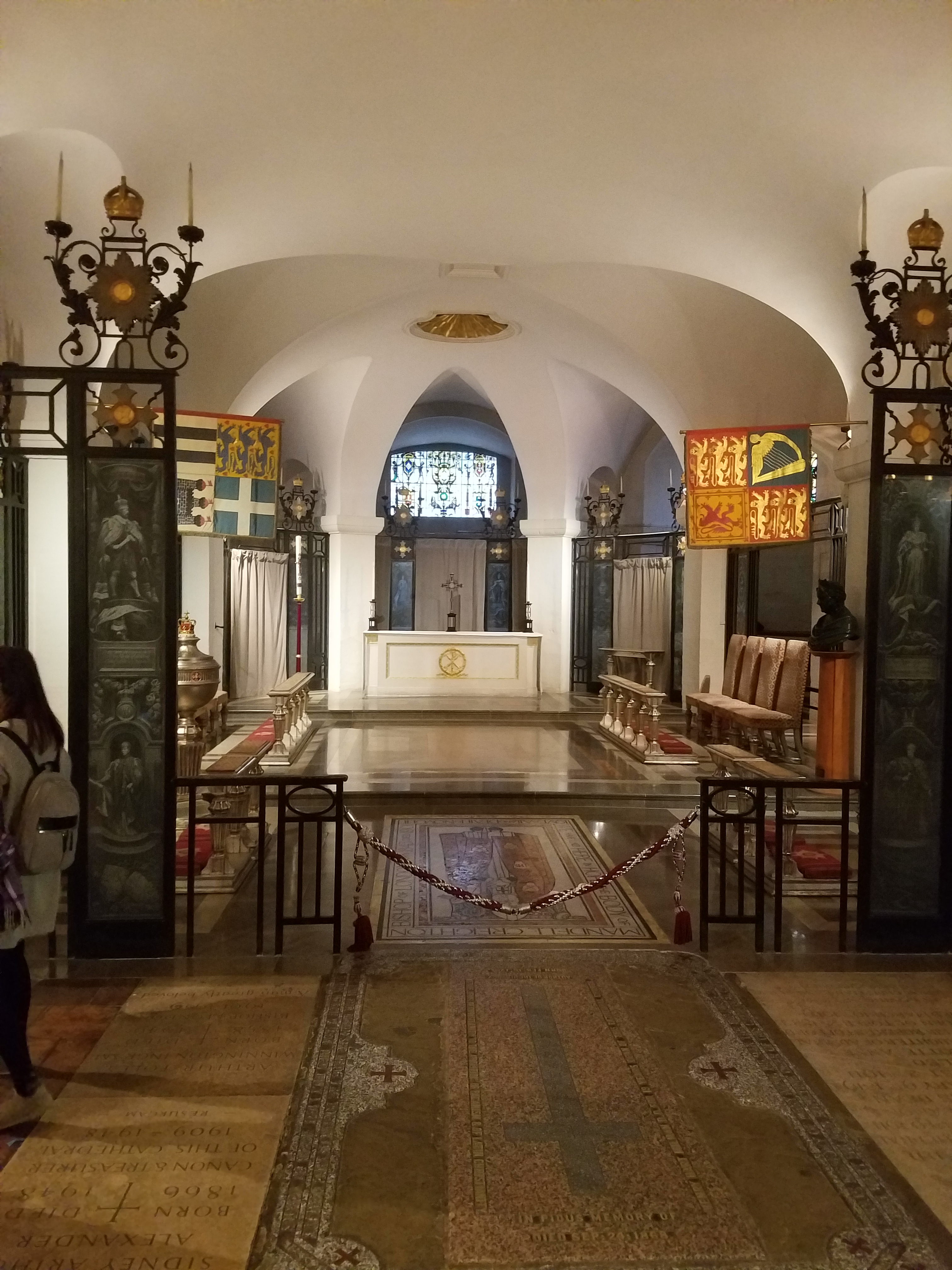
In the crypt, there was many historical noblemen buried in the foundation of the church. Winston Churchill (not a nobleman) has memorial gates that honor him. He is among one of a few who are honored in the crypt who were not among the noble. Nestled in the back of the crypt was a cafe that felt out of place.
 Educational Travel Blog