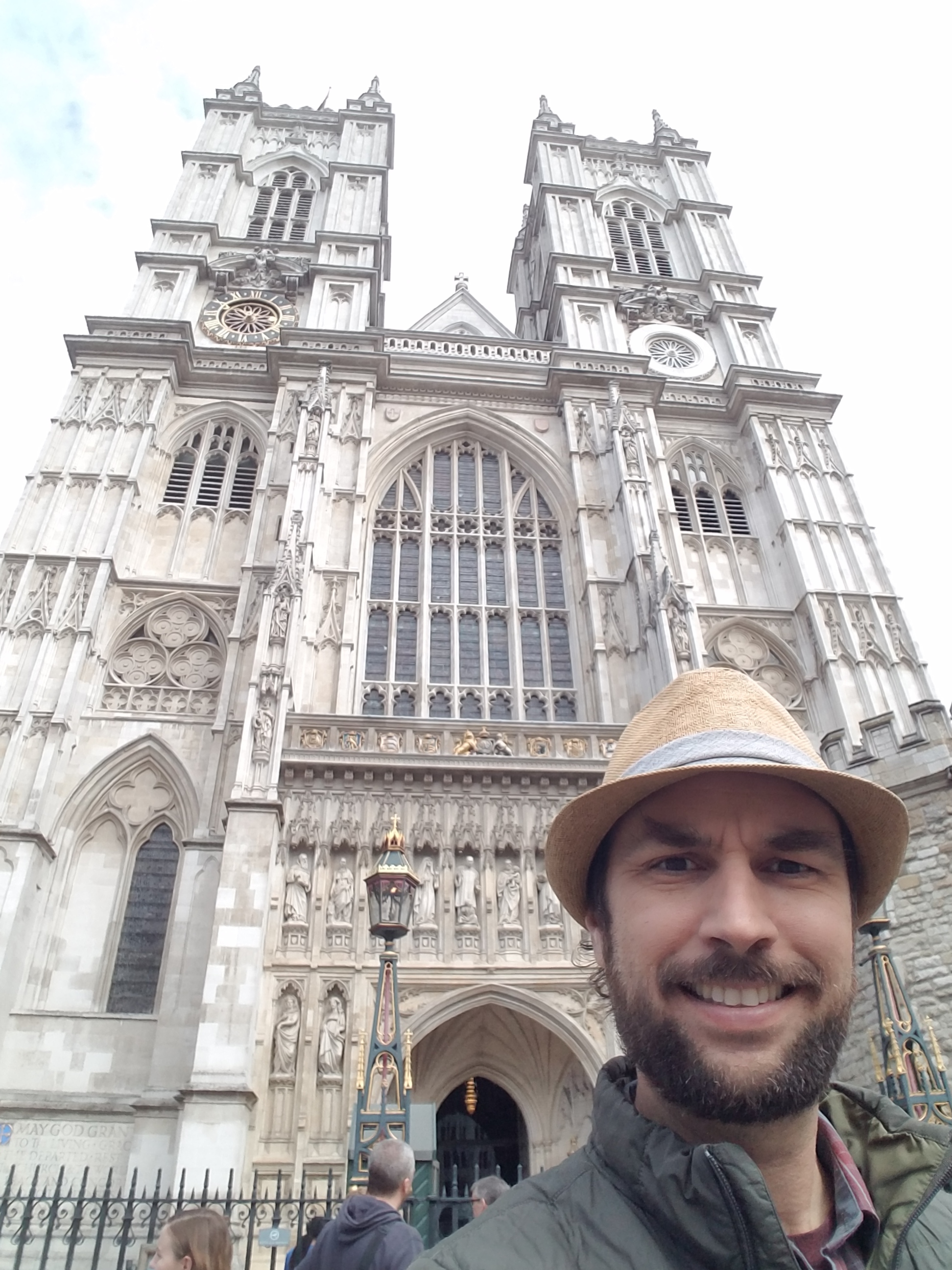
We spent our second day in London walking around town trying to explore the city the best we could. We took the Victoria line train which was unusually hot and then took a transfer train to Westminster Abbey. The Abbey had about a two hour wait, so we decided to walk around town. Big Ben was also being renovated. There was a lot of commotion in the parliament building which houses Big Ben; there was a vote being taken to see who the next Prime Minister of the U.K would be.
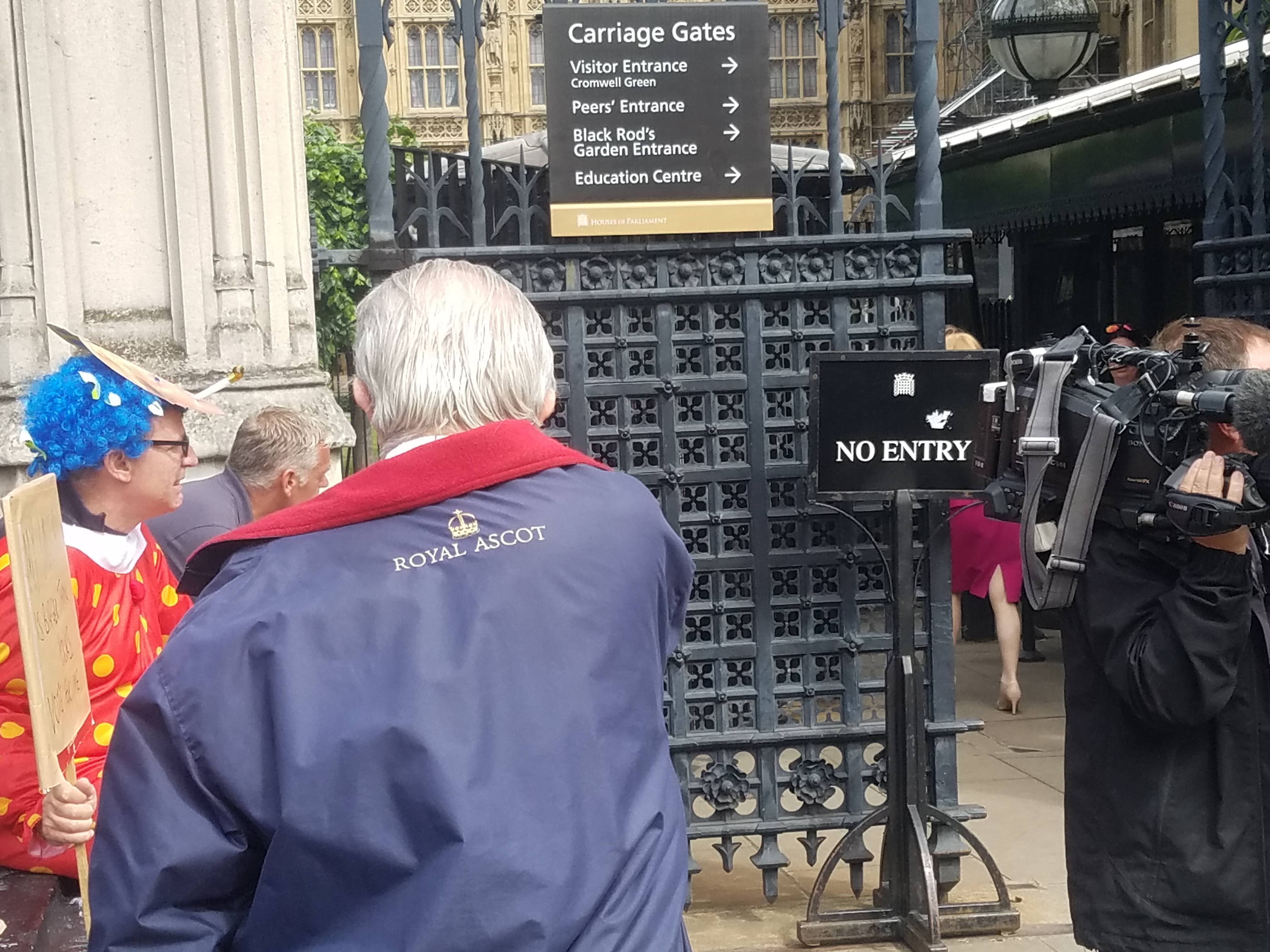
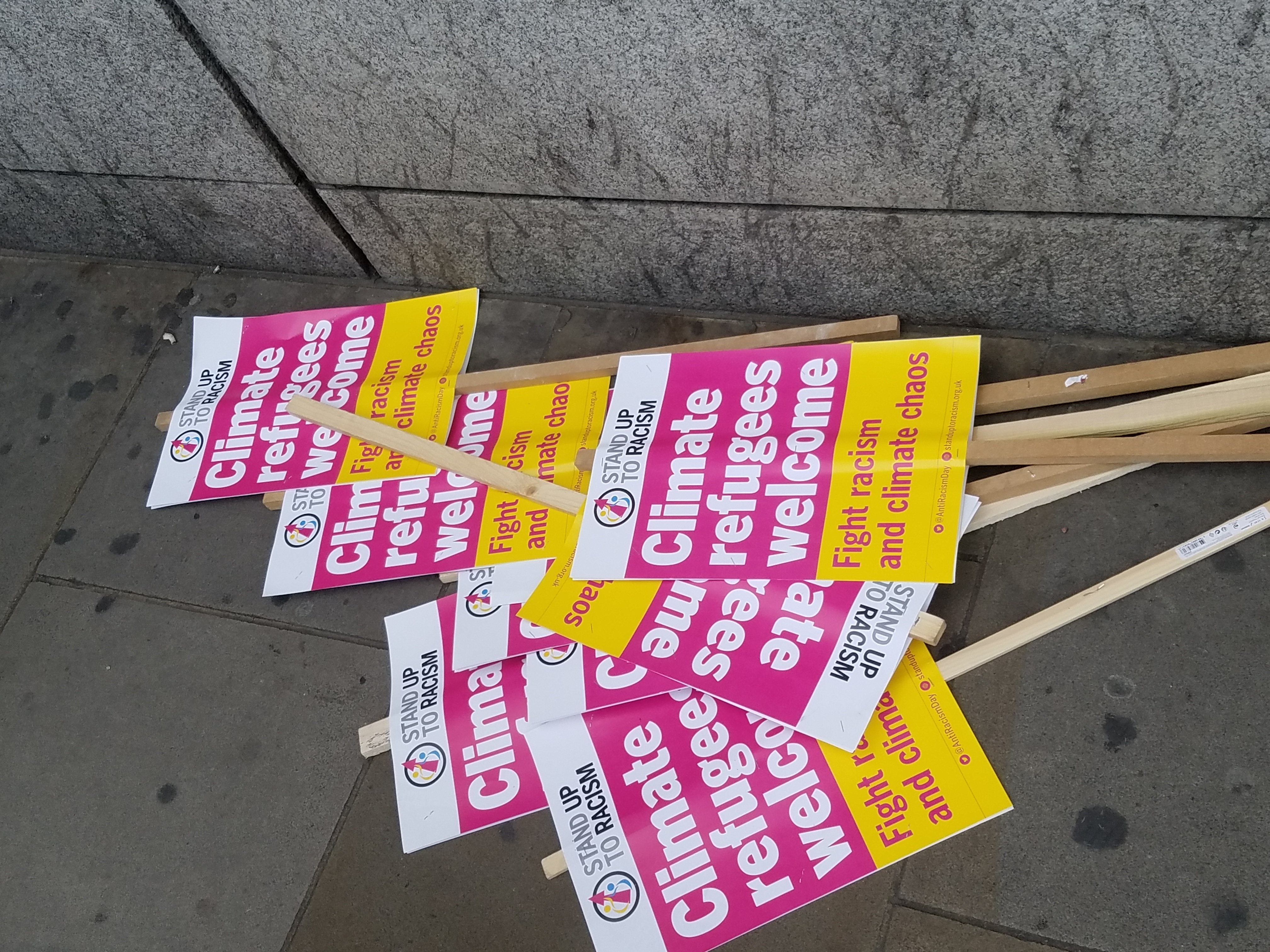
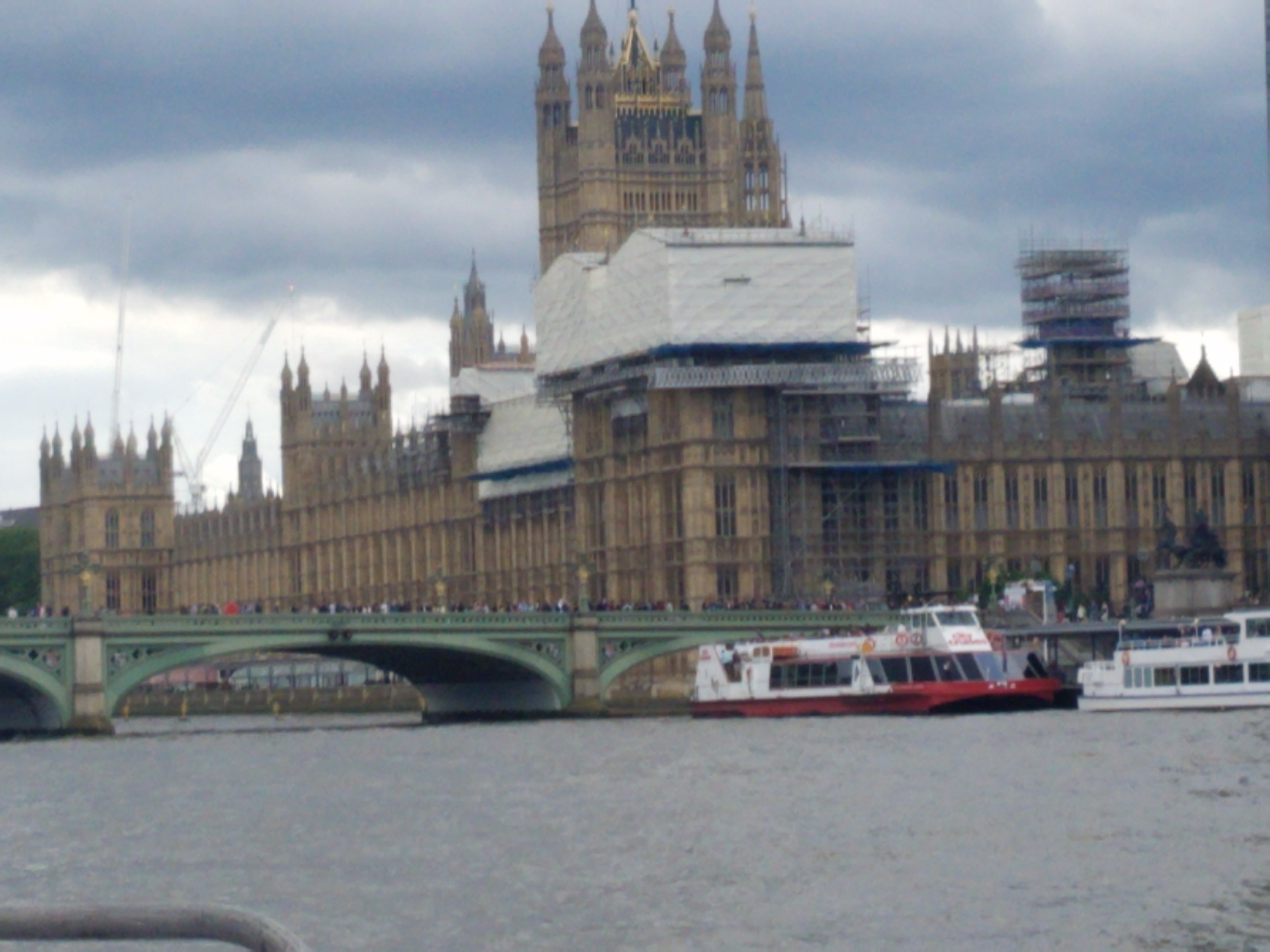
Our walk took us from West Minster Abbey and Parliament building to the Thames river where we walked for about two hours. We were enveloped by a protest to end racism and climate change on the way to the London Tower and Tower Bridge.
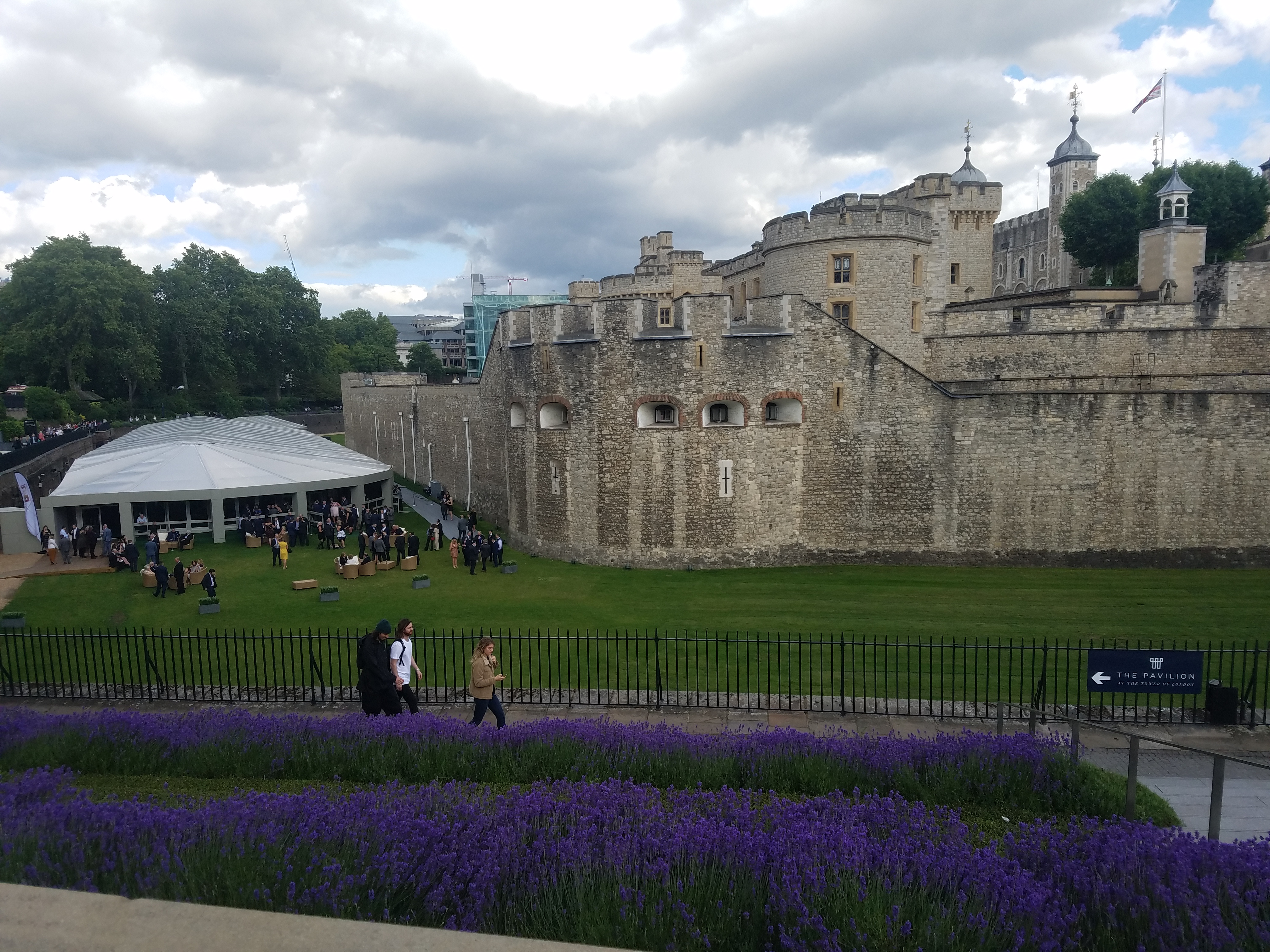
We had lunch on Tower Hill where citizens could witness the historic beheadings at the London Tower. Between 1483 and 1941, twenty-two people were executed in the London Tower. Outside of the tower on Tower Hill, several hundred people were beheaded with large audiences until 1780. During our lunch, there was an event being held within the castle area where the moat would have been.
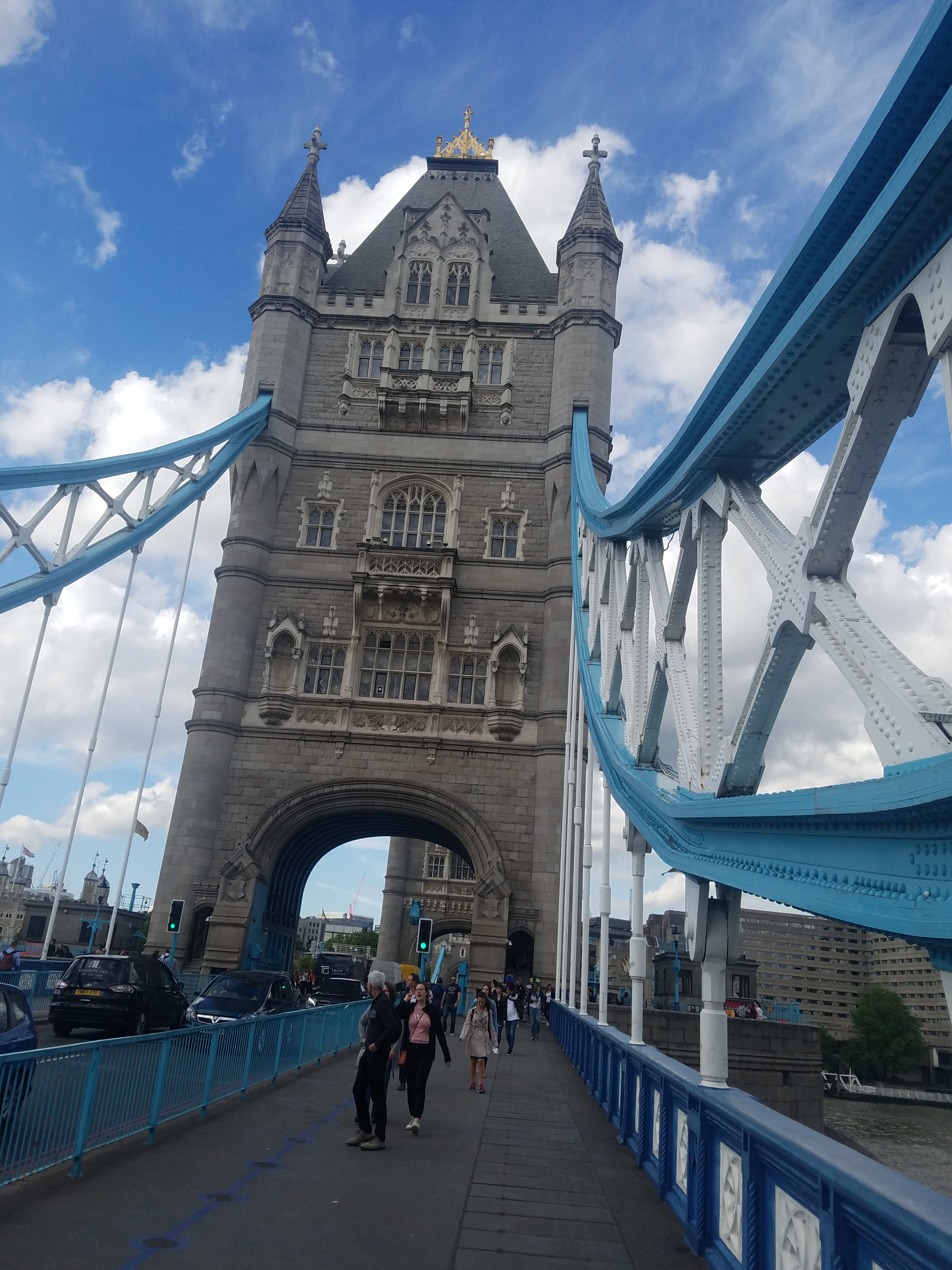
On our way to lunch, we crossed the Tower Bridge on our walk. We then decided to take a water taxi to the Greenwich area, where we saw the London Eye, the Mayors Building, and an old Container building now used as Condos.
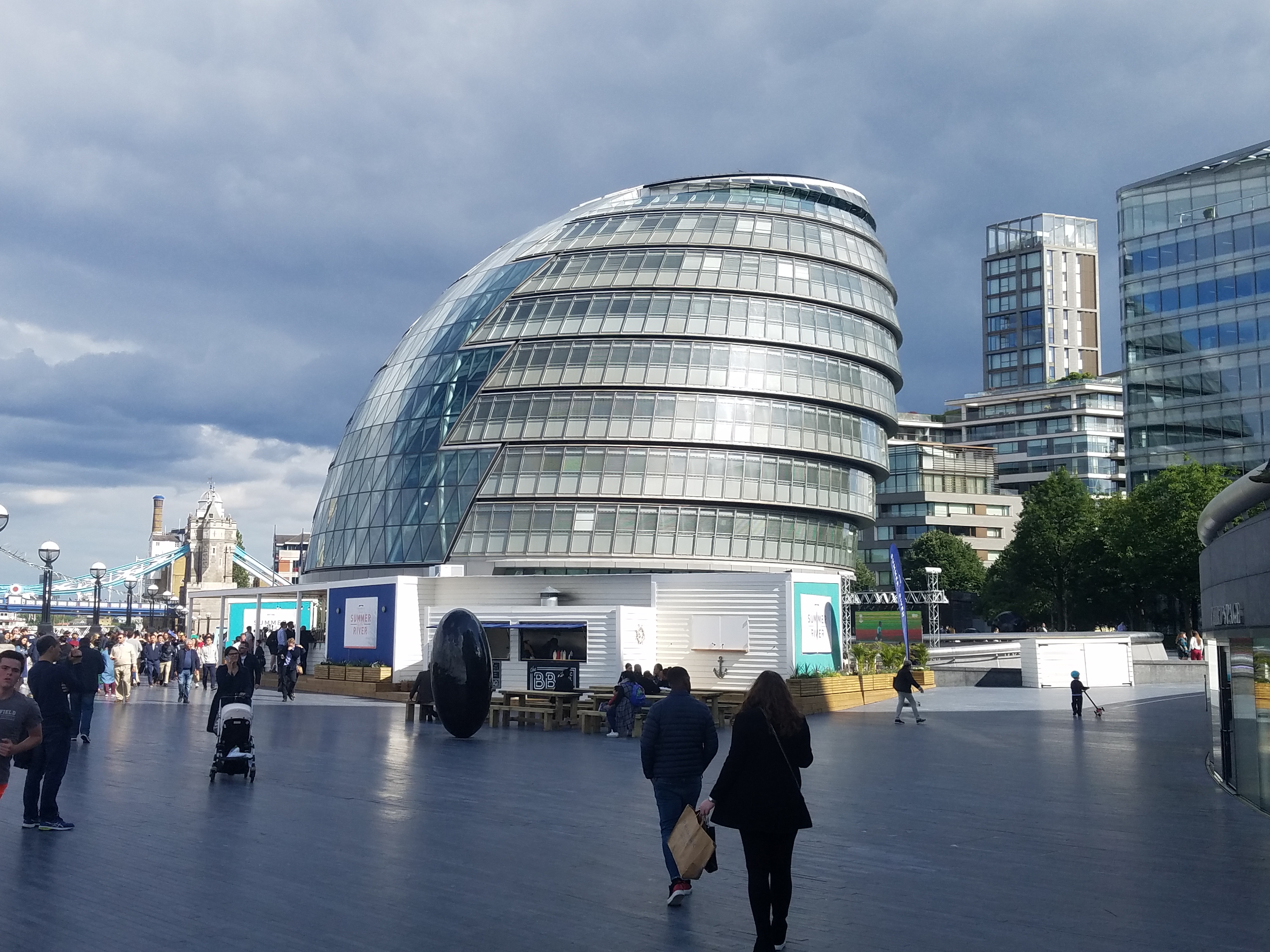
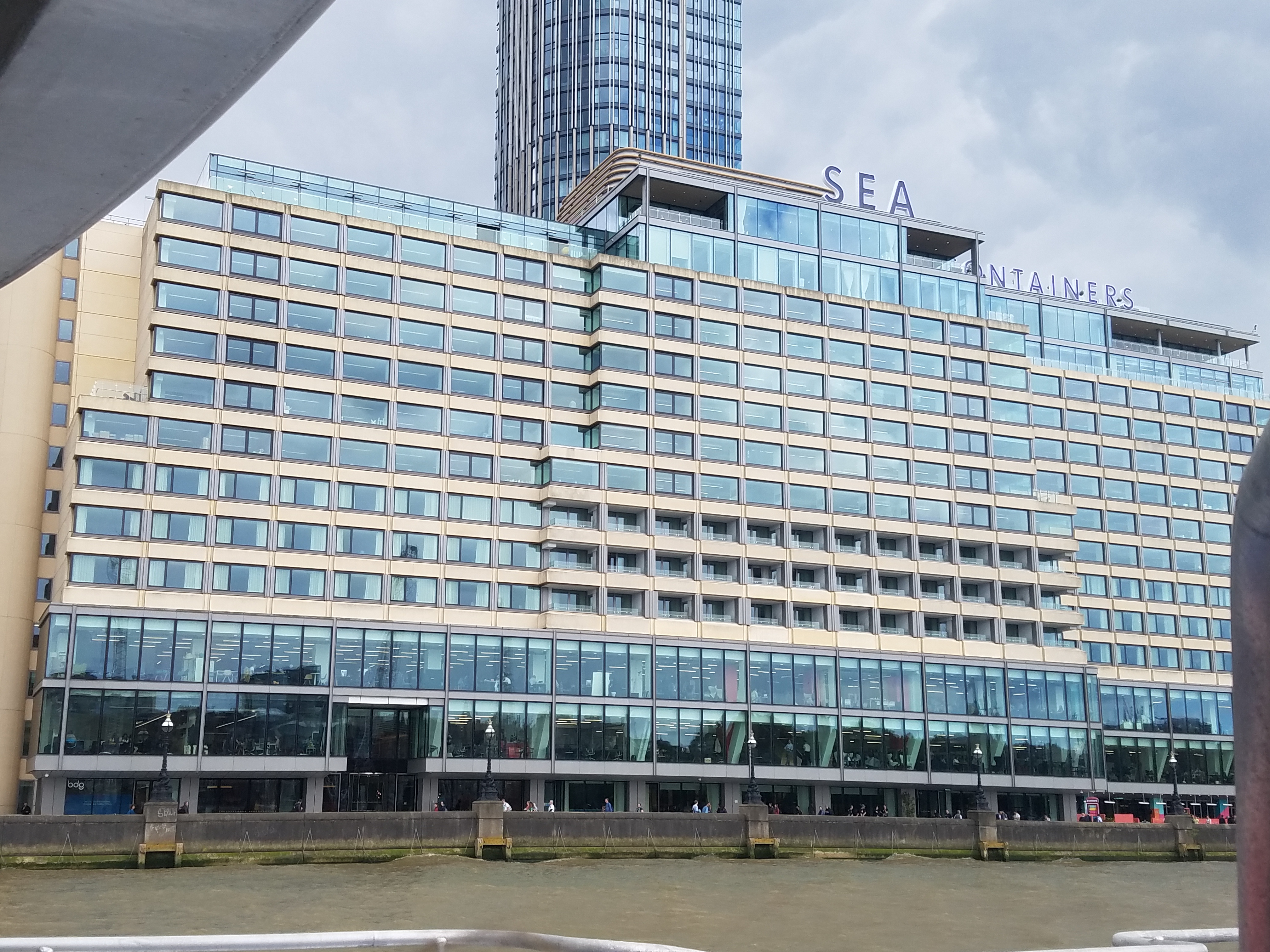
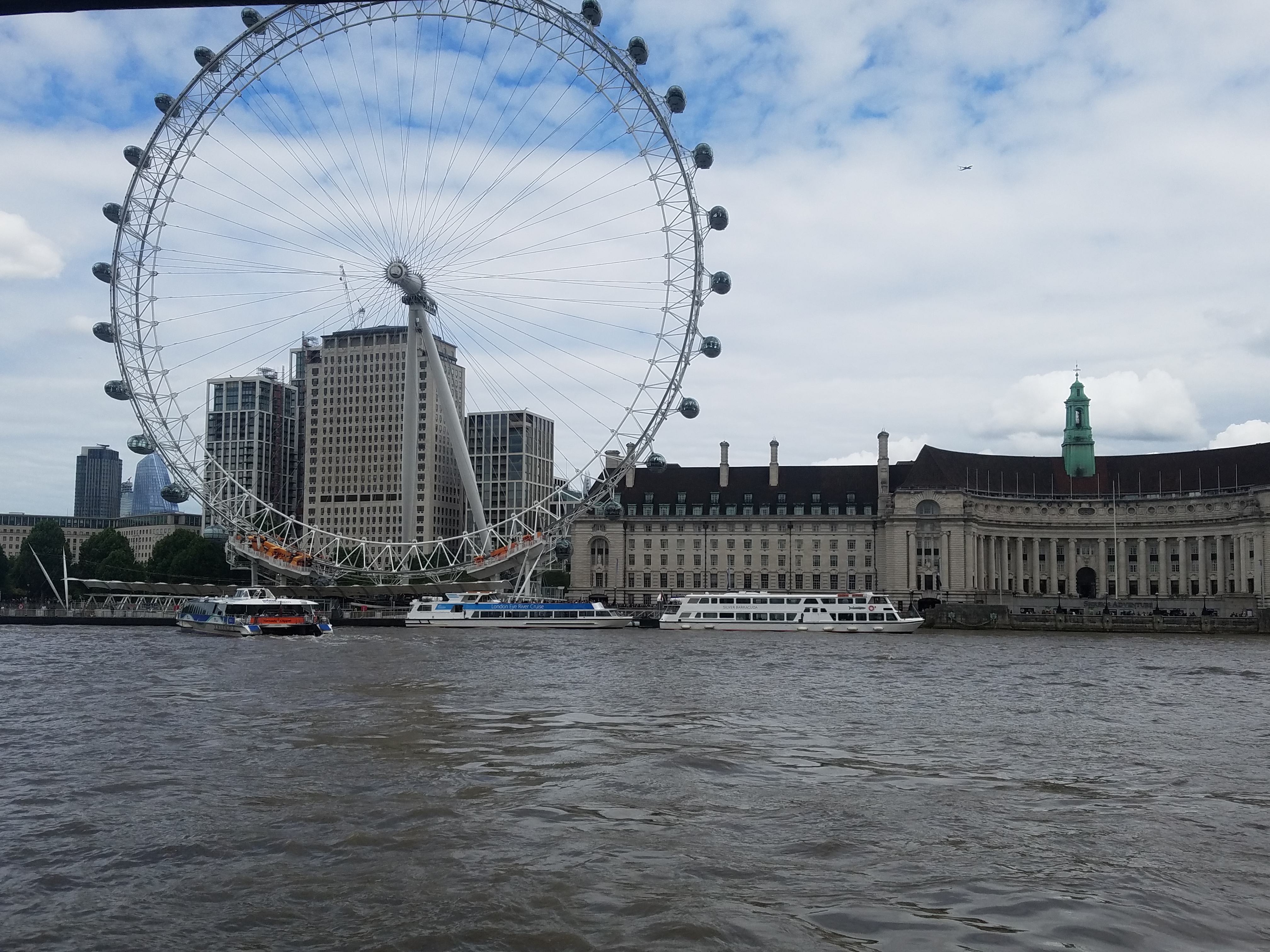
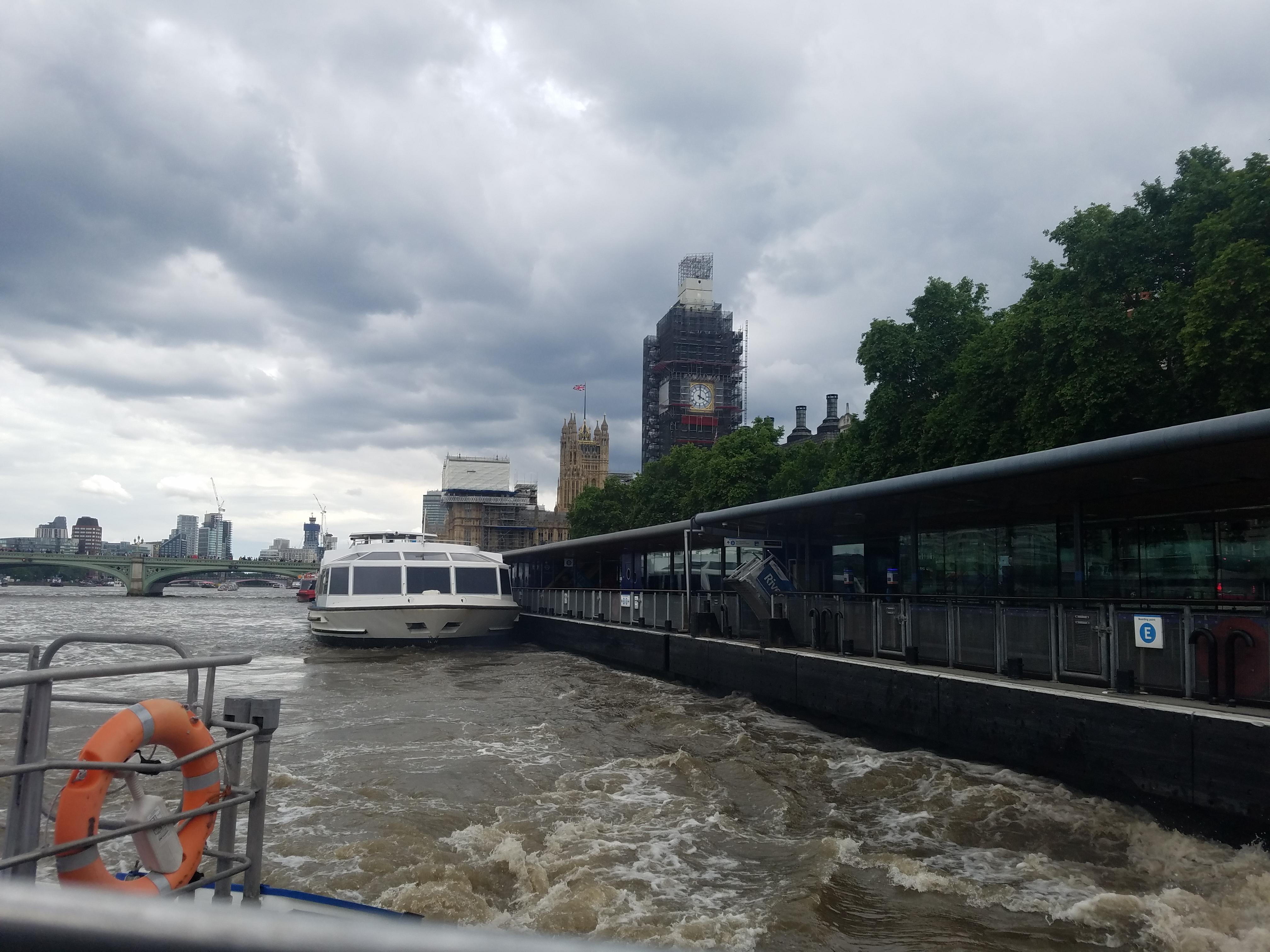
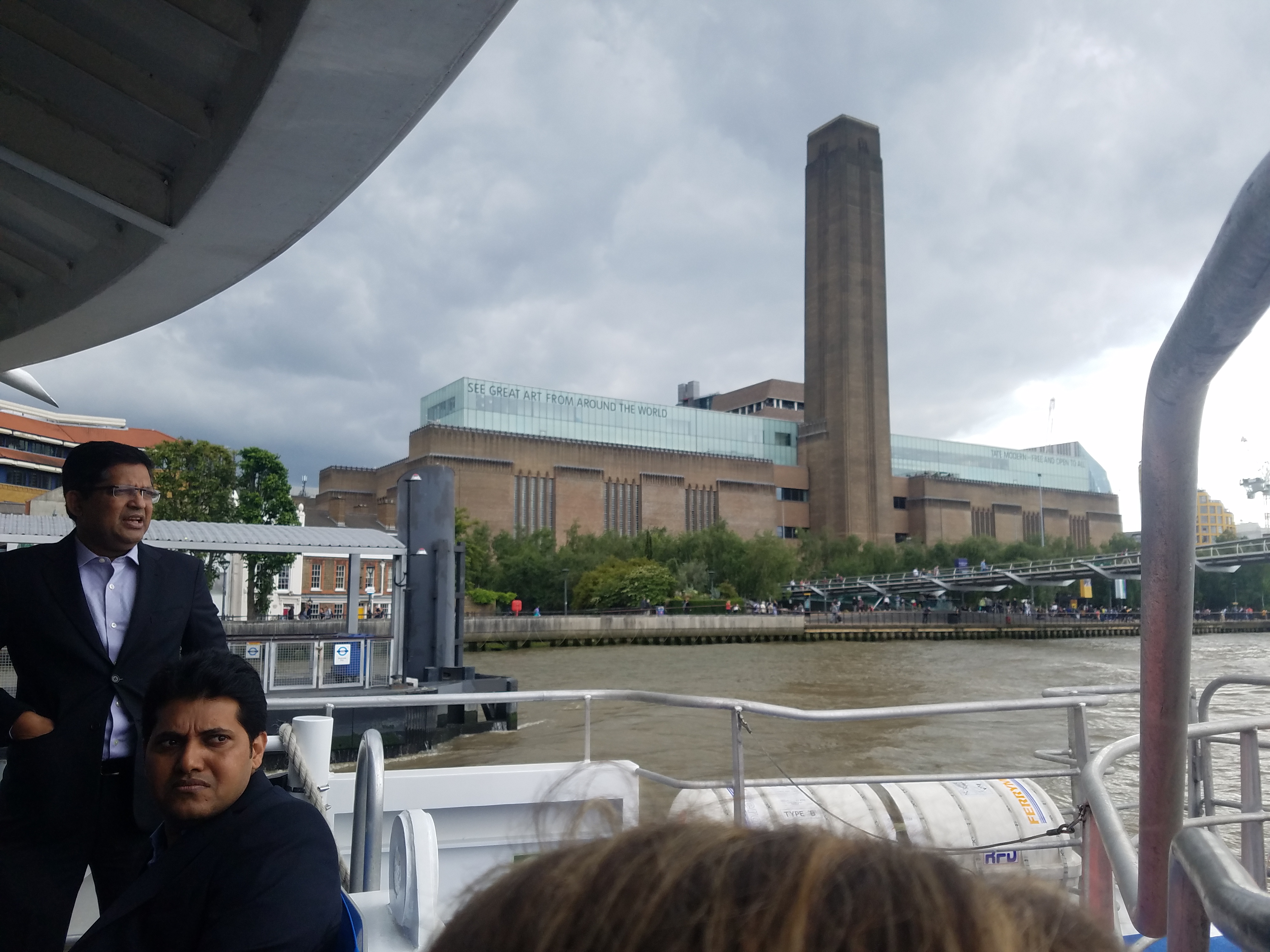
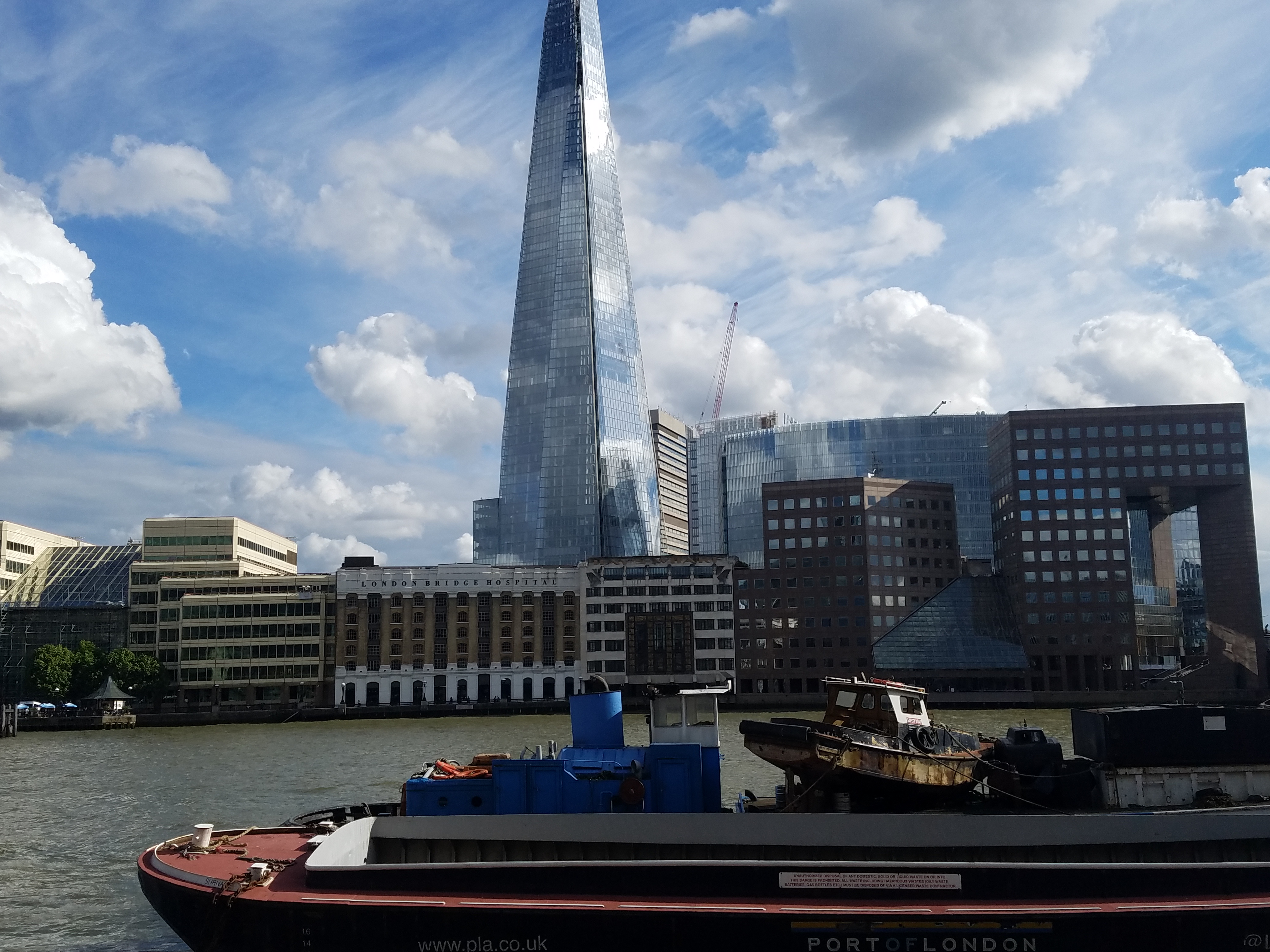
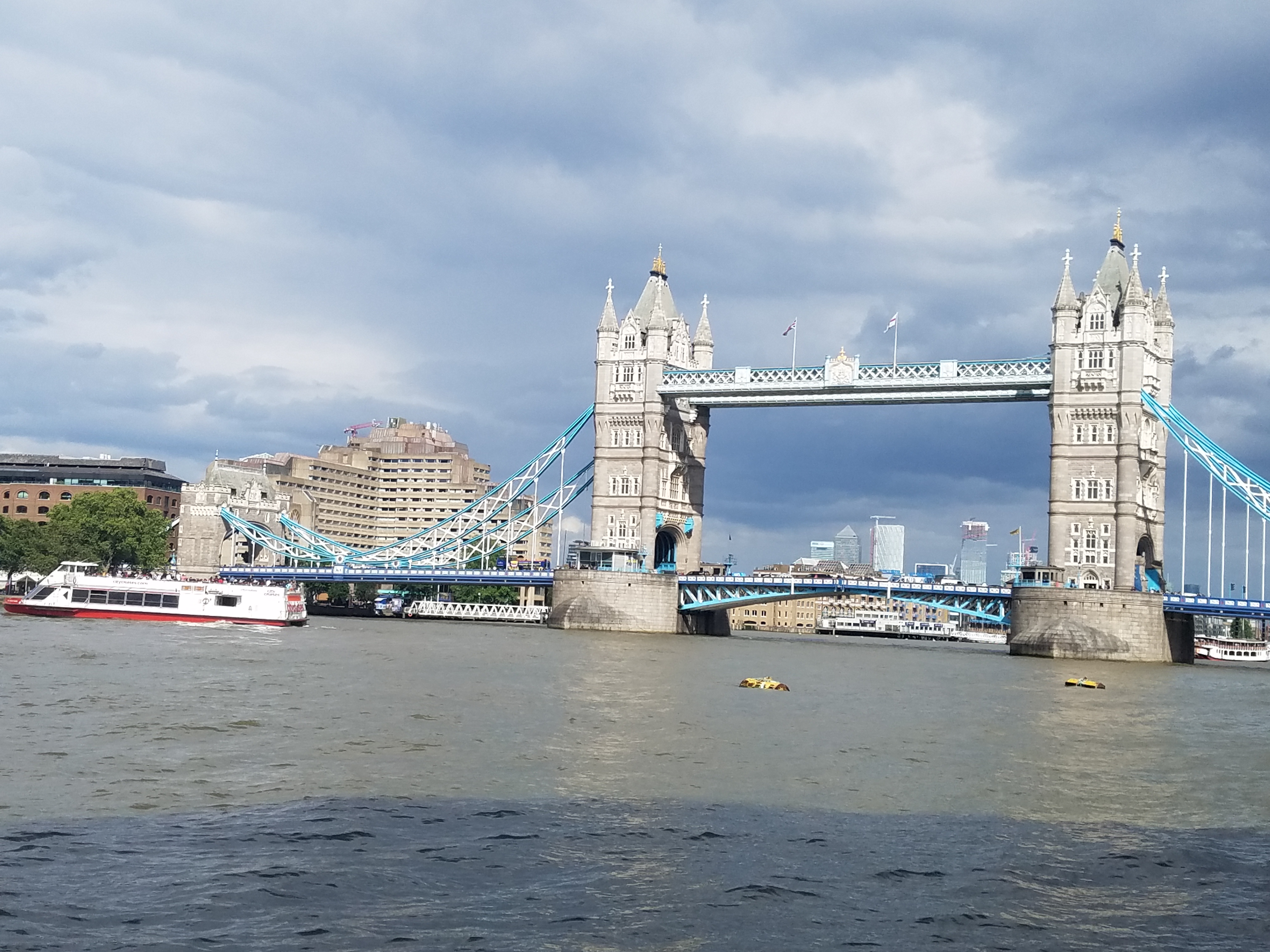
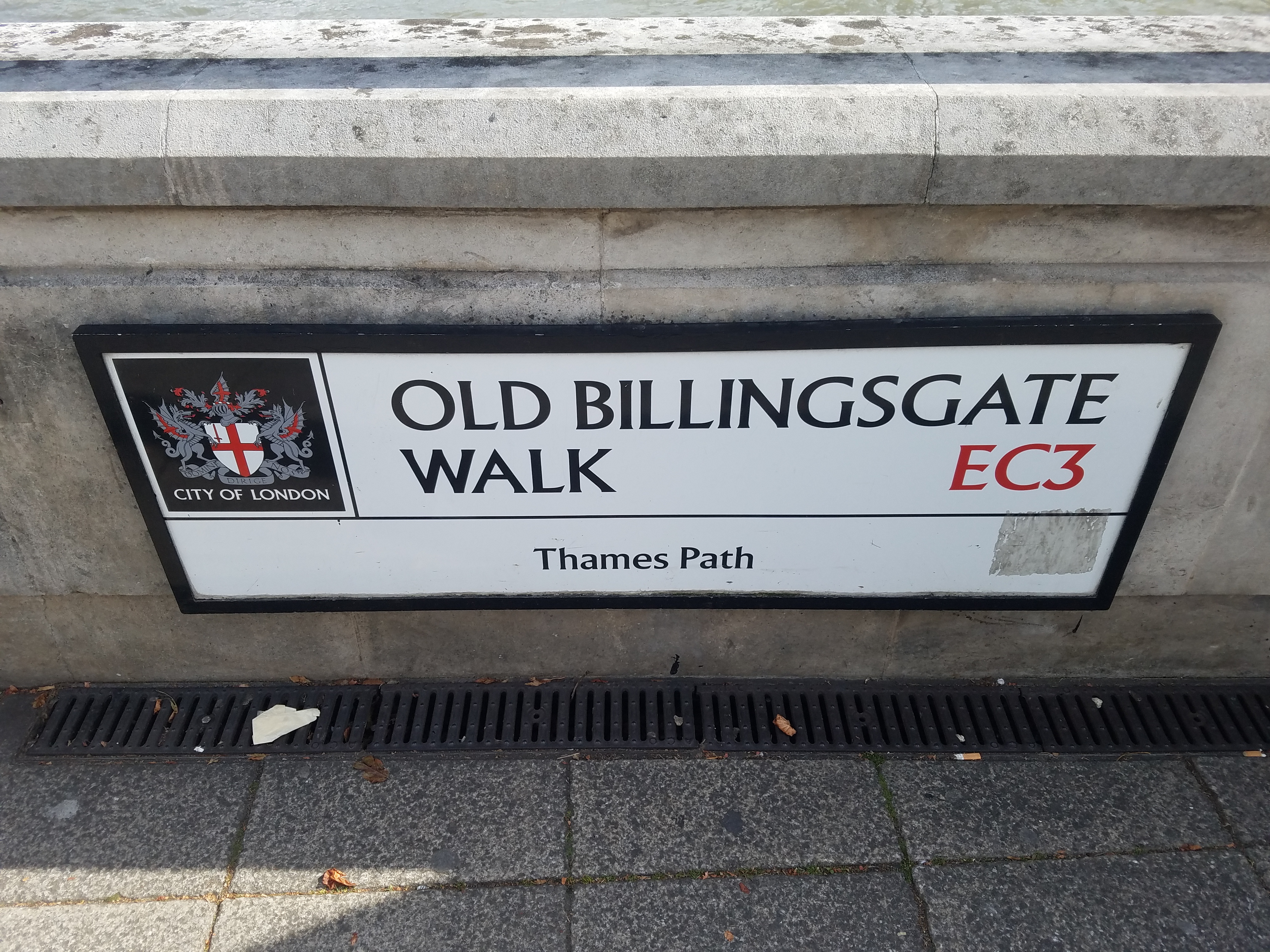
We then strolled along the Thames river and found some interesting things along the way including the London Bridge, some clipper ships, and Hayes Warf.
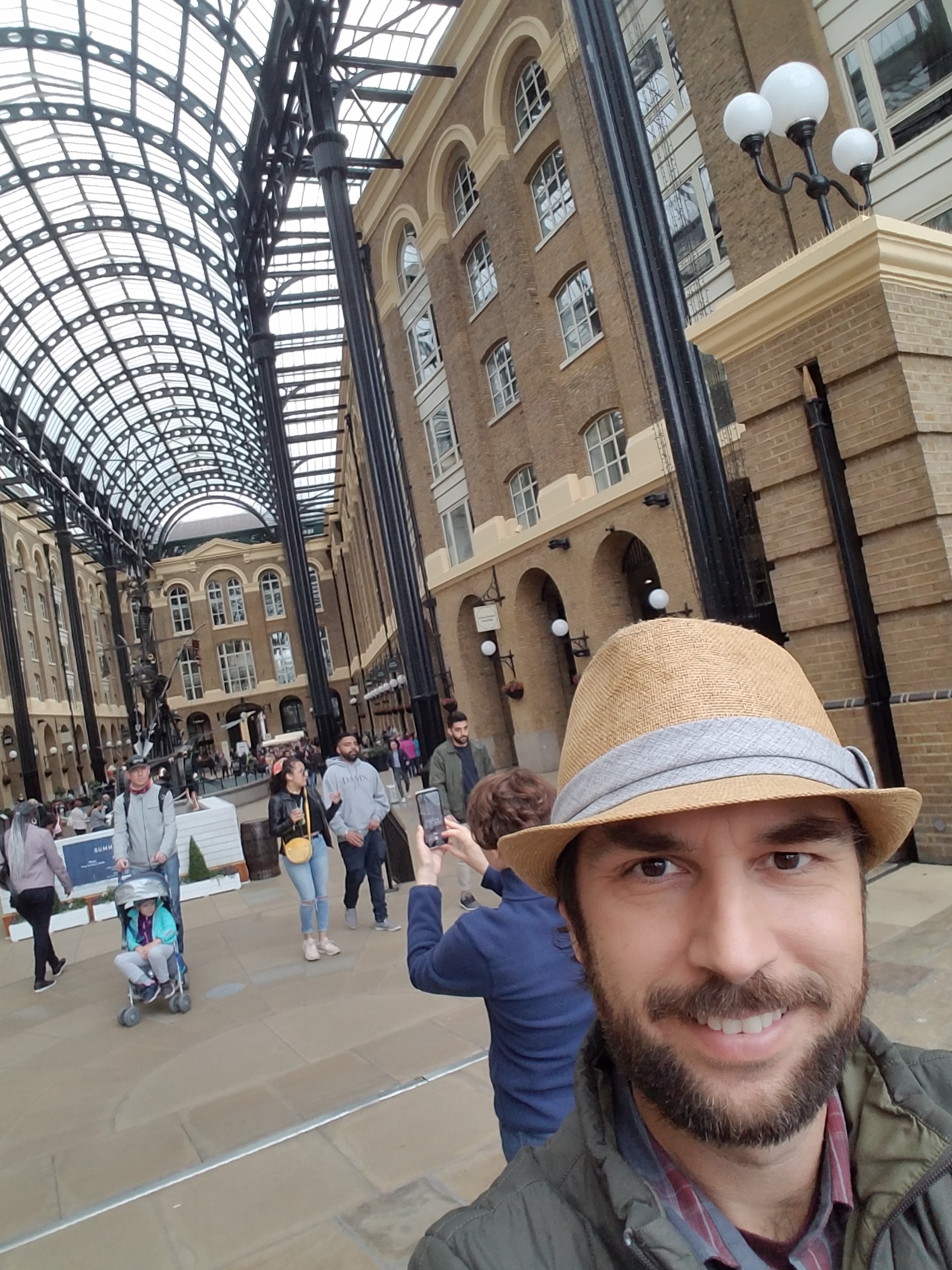
Hayes Warf was created by Sir William Cubbit around 1850 which increased in popularity and became known as the ‘Larder of London’ due to the Warf’s productivity. By the end of the 19th century, the Warf imported 80% of London’s dry goods. Clipper Tea ships were the most common ships. The area in the photo above was where the ships would dock; the area is used as a mall in the present day. The information listed above was gleaned from public interpretation signs.
 Educational Travel Blog