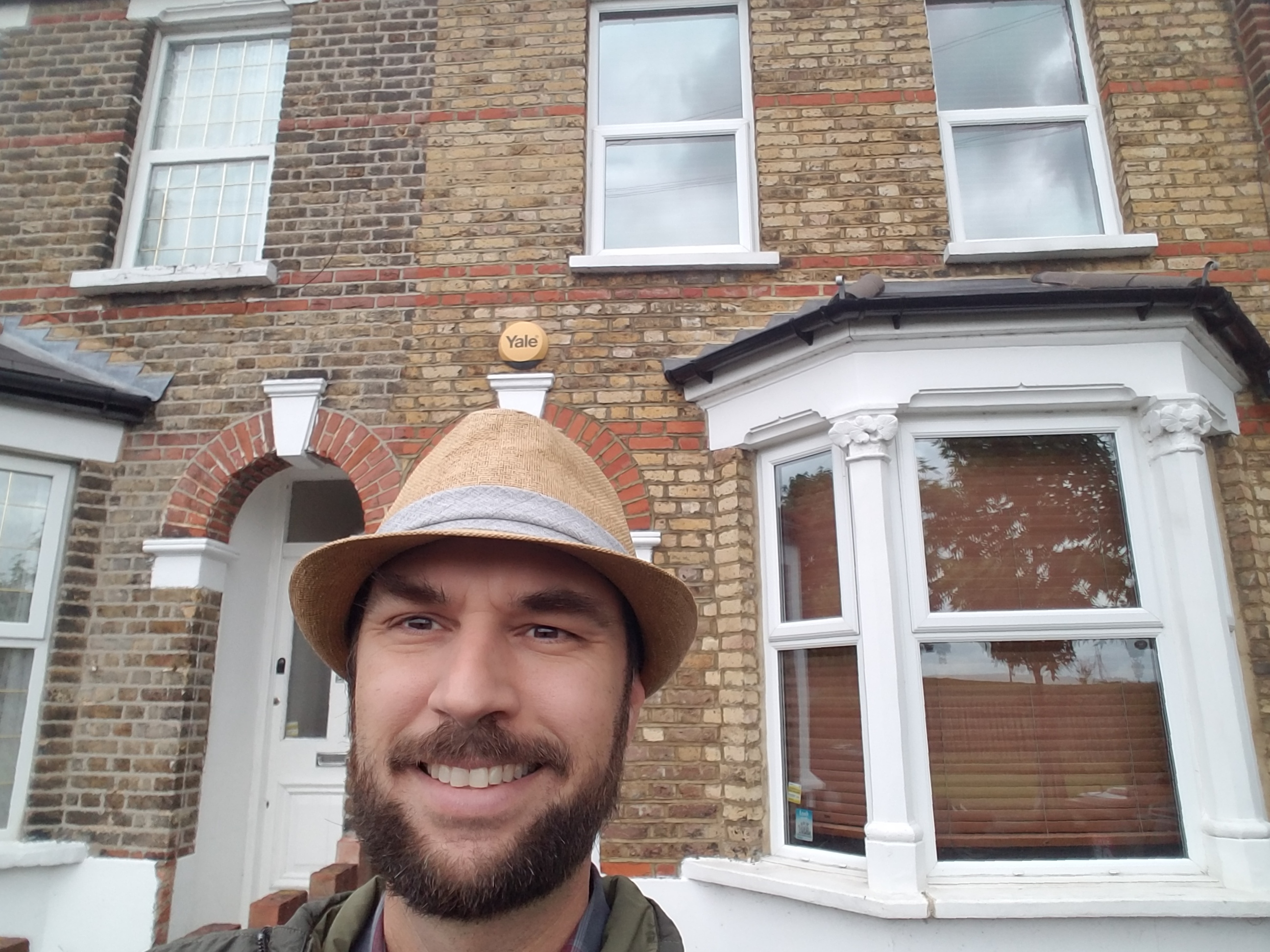
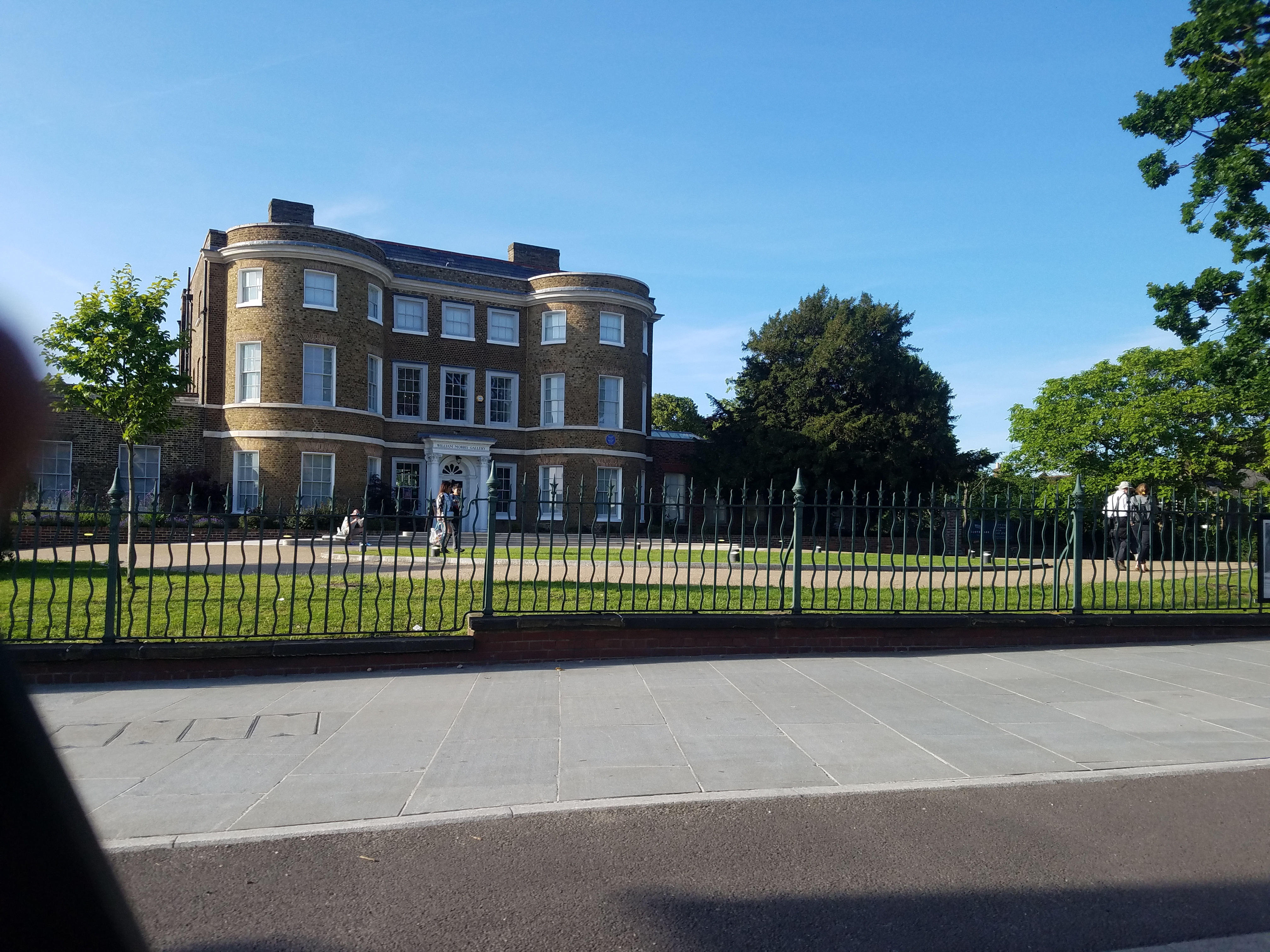
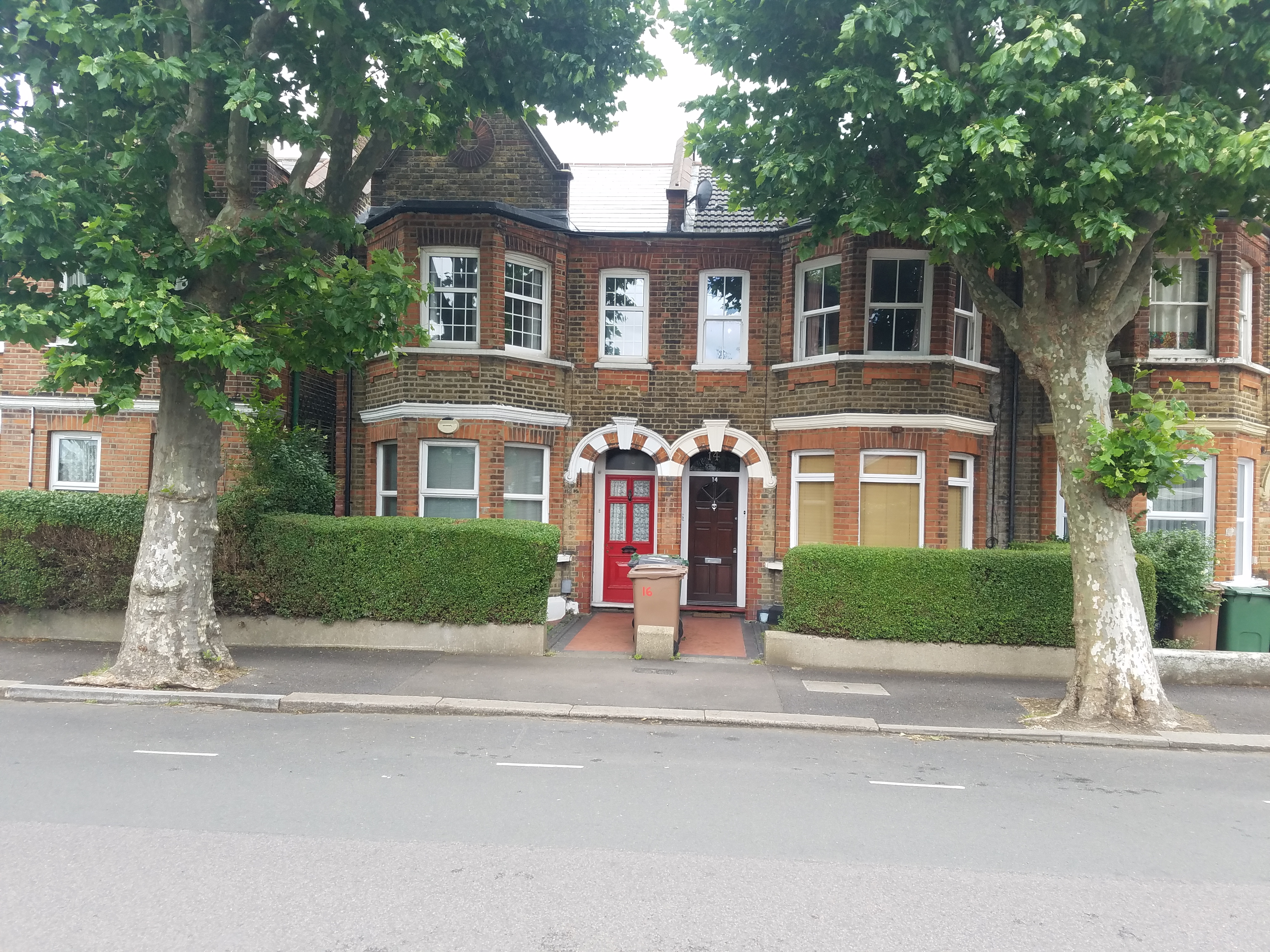
My first day in the U.K landed me in a place that I had known no information about: Walthamstow. I learned that the houses in the area that I was staying in were created by William Morris, one of the U.K’s most famous wallpaper artist for Victorian houses in order to house his workers. He was also a social activist, who contributed to the founding of eco-socialism and one of his mansions is now a museum in Walthamstow. The houses in this area were built simply and most of them look the same. You can tell who has updated their houses by looking at the materials used on the exterior of the houses according to a denizen of the area that I was staying with.
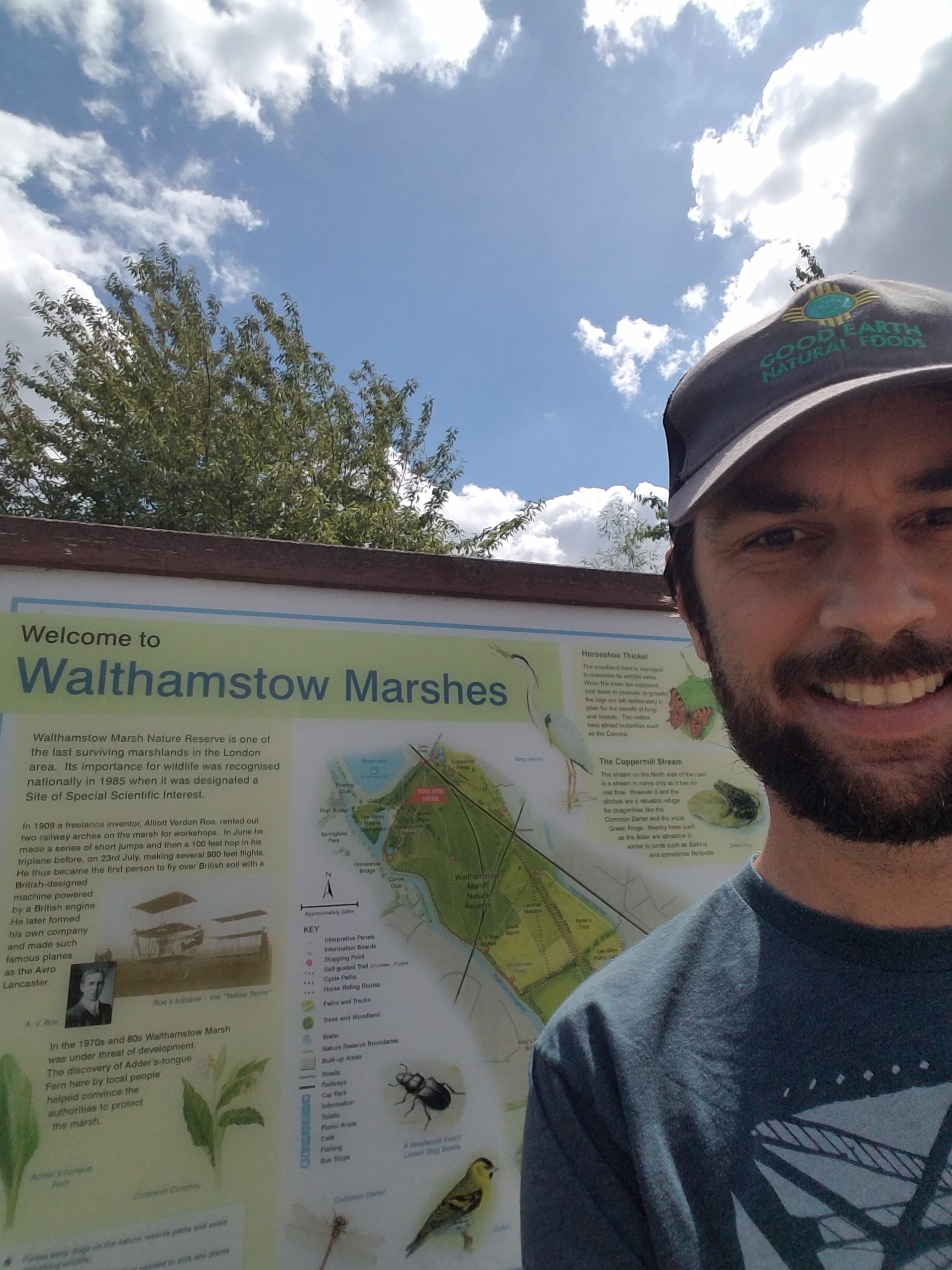
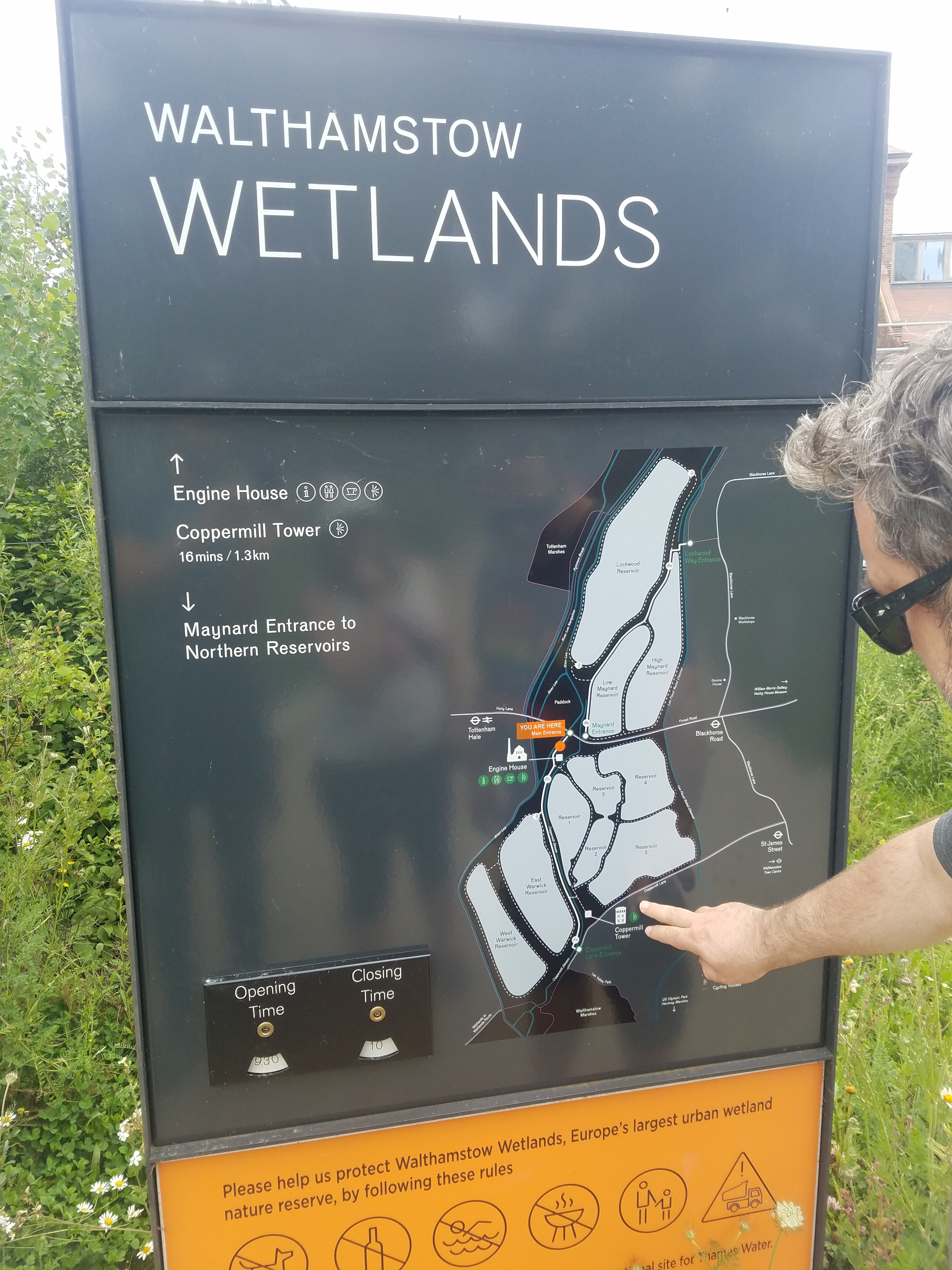
Walthamstow Marsh was recently opened to the public; it was previously maintained by the water district which houses a group of reservoirs that serve the area of northeast London. We took a three hour walk in these marshes and I learned a great deal about the areas copper mill, wildlife, and ecosystem.
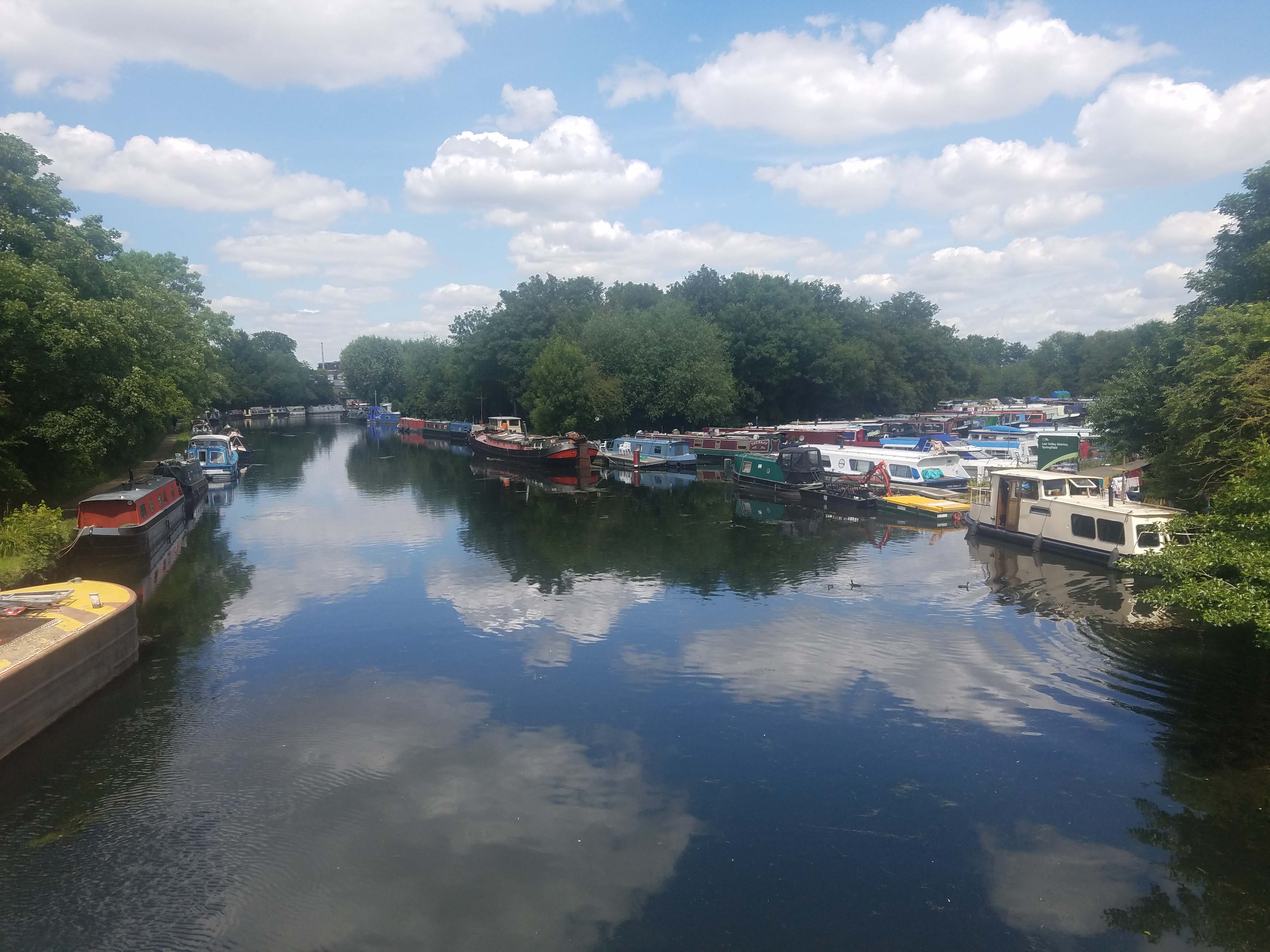
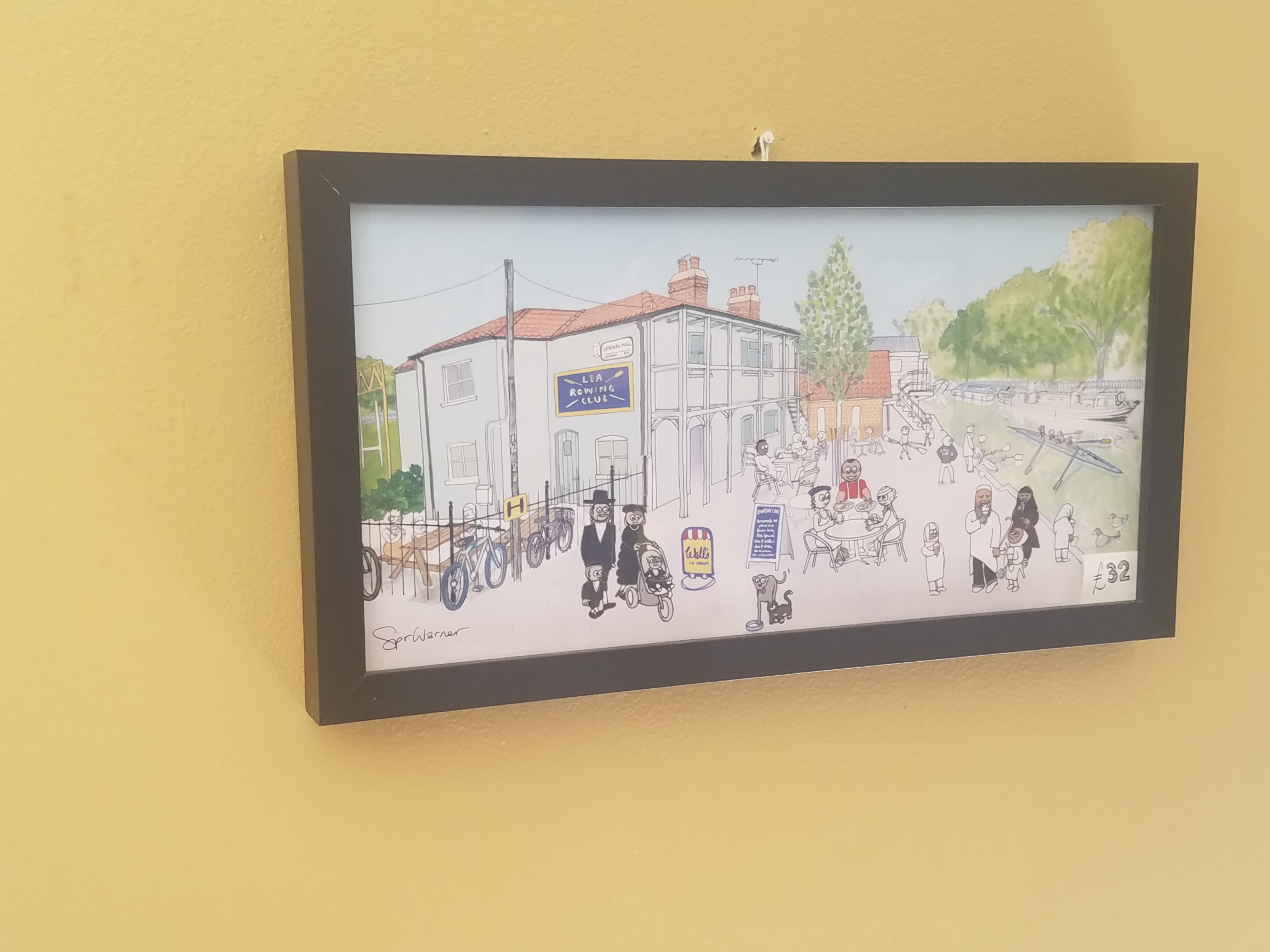
Along the walk in the marshes ran several canals that house many canal boats that locals live in. There are many shops open along the canal to serve this community. Many people who cannot afford to buy a house live in Canal Boats as they are affordable.
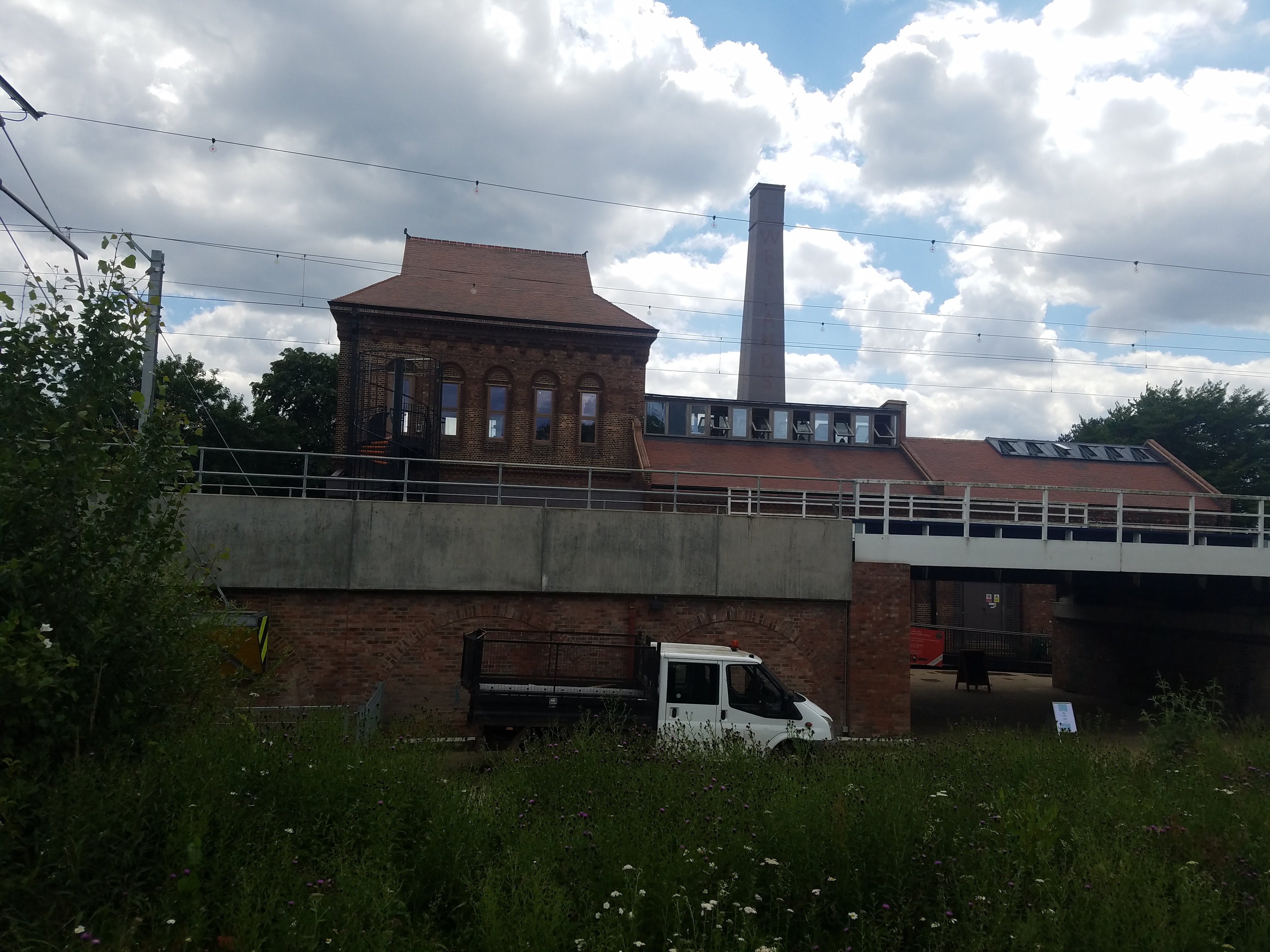
This site originally had a water mill which ground corn in the fourteenth century; in the 17th century it was used to make gunpowder. In 1806, the New British Copper Company smelted copper here and were rolled into sheets to create many different types of copper coins. In 1859 the East London Waterworks Company acquired the mill to use as a water mill. The mill was used to drain the marshes in the area in order to build the current reservoirs in Walthamstow. There are currently twelve reservoirs covering 300 acres of land and serves over 1.5 million customers. The reservoirs also serve as London’s biggest fishery. The Walthamstow Copper Mill is used as a visitor center; Thames Water maintains the reservoirs currently.
http://hidden-london.com/gazetteer/coppermills/
The Animals in the wetlands are varied and include mammals, insects, fish, amphibians and reptiles. The reed-beds offer nesting and food opportunities for a large variety of birds including the Bittern, Moorhen, Water Rails, Cetti’s Warbler, Reed Warbler, sedge Warbler, Reed Bunting, Snipe, and Jack Snipe.
The mammals that live in Walthamstow include the Water Vole which feeds off of the roots of the reed-beds, and grass, and Pippestrel and Daubenton Bats. The insects in the area include damselflies, dragonflies, midge beetles, hog louse, leeches, water snails, aquatic worms and ten different types of water-skates.
There is one type of aquatic snake in the area; the grass snake. It is timid, not poisonous and enjoys sunning itself. The fish in the area include the Chub, Bream, Pike (Which eats small fish and birds). Mirror Carp, Tench, Barbel, and European Eel.
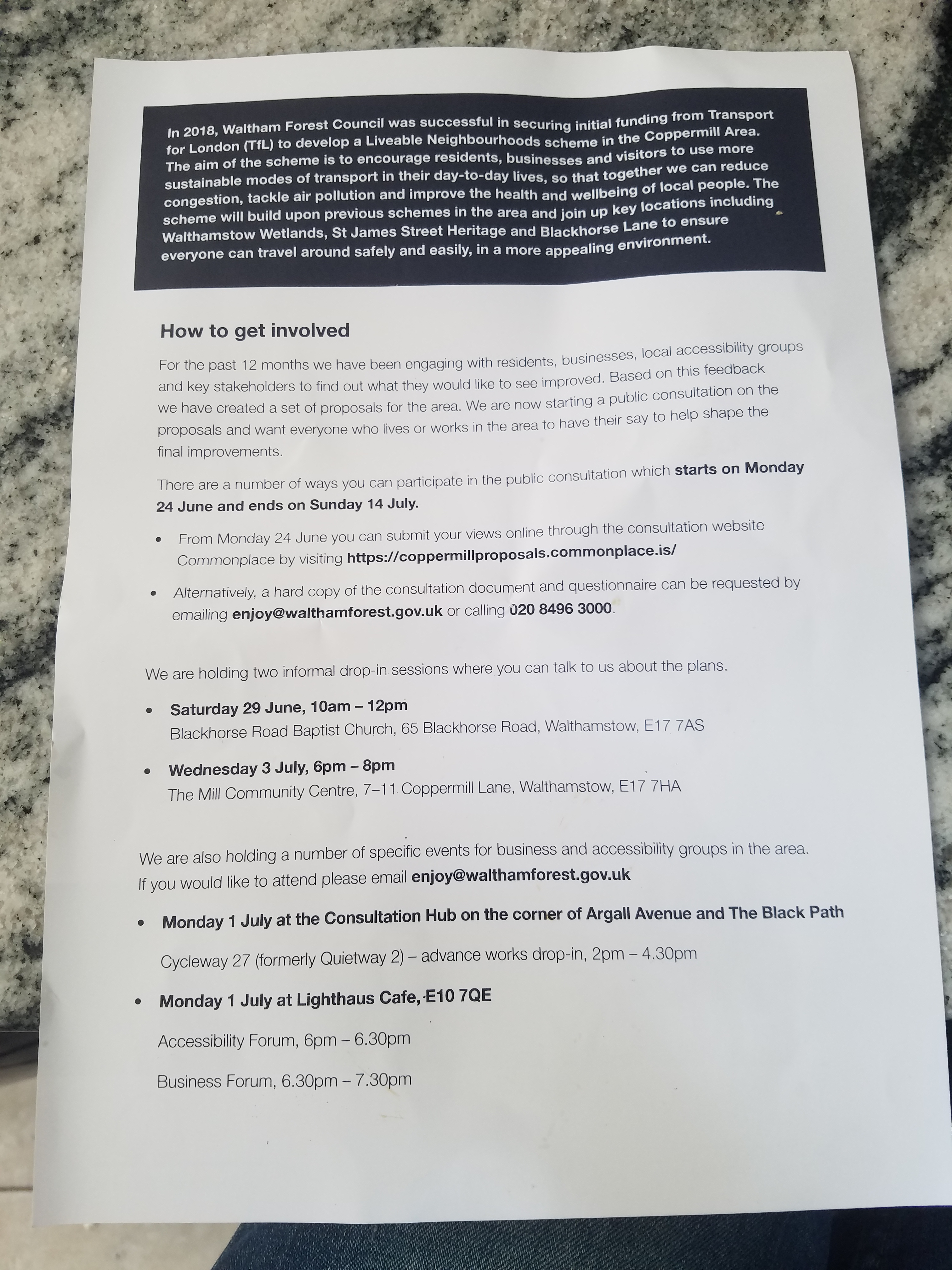
The Walthamstow Forrest Counsel is designed to enhance Walthamstow’s livability. Currently, according to a resident of Walthamstow, the counsel is considering closing the road that goes to the Walthamstow Wetlands to automobiles. This will create allow access to the wetlands only by foot and bike. The opinion of the resident stated that most residents fear that this will have a negative impact on the local traffic. Part of the project include closing some other local streets and putting in traffic circles which will further condense traffic in an area that is already heavily impacted by traffic (as of summer 2019).
 Educational Travel Blog